

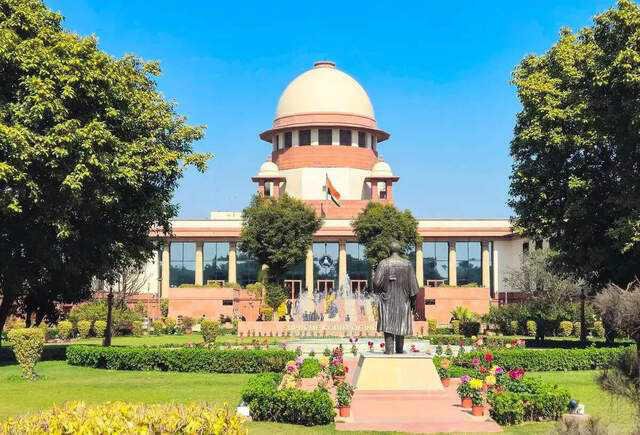
The Supreme Court has agreed to hear a petition questioning the decision-making process of the Election Commission of India (ECI).
The case concerns decisions taken under Chief Election Commissioner Gyanesh Kumar. It comes amid a growing controversy over the Special Intensive Revision (SIR) of electoral rolls.
The court agreed to hear the matter next week. A three-judge bench headed by Chief Justice Surya Kant will consider the petition. Justices Joymalya Bagchi and V. Mohana are also part of the bench.
The development adds a legal dimension to the ongoing political debate over the functioning of the poll panel.
Petition Questions ECI Decision-Making
The petition raises questions about whether the CEC could take certain decisions without the concurrence of the other two Election Commissioners.
According to the petition, several decisions related to SIR were allegedly taken without their knowledge or approval. The petitioner has asked the Supreme Court to examine the records of the Election Commission.
The plea also argues that electoral decisions should rest with the Commission as a whole. It refers to Article 324 of the Constitution and provisions of the Chief Election Commissioner and Other Election Commissioners Act, 2023.
However, these claims remain allegations in the petition. The Supreme Court has not yet ruled on their validity.
Petition Seeks Action Against Gyanesh Kumar
The plea seeks several forms of relief.
It asks the court to examine the legality of decisions allegedly taken by Kumar without collective approval. It also seeks action against the CEC and challenges the legality of the nationwide SIR exercise.
Another request seeks a declaration that decisions taken without the required authority should not remain valid.
The court’s decision to list the case does not mean that it has accepted the allegations. The issues will be examined during the hearing.
ECI Says Decisions Were Unanimous
The Election Commission has rejected reports of a formal split among its members.
The ECI has said that its final decisions on SIR were unanimous. It also acknowledged that Election Commissioners Sukhbir Singh Sandhu and Vivek Joshi raised questions and made observations during internal discussions.
According to the Commission, such deliberations are part of its normal decision-making process. It has maintained that the final decisions received the approval of all three commissioners.
The Commission has also introduced additional transparency measures amid the controversy.
These include sharing meeting agendas in advance and issuing minutes after meetings. The measures are intended to provide greater clarity about the Commission’s internal procedures.
SIR Controversy Behind Legal Challenge
The legal dispute is closely linked to the SIR exercise.
The Election Commission has been carrying out voter verification and electoral-roll revision in several parts of the country. The process has drawn criticism from opposition parties over voter deletions and verification procedures.
Congress and other opposition parties have questioned the transparency of the exercise. They have also demanded greater disclosure of changes made to electoral rolls.
The ECI, however, has defended the process and said that it follows legal procedures.
Earlier Pleas Also Reached Supreme Court
The latest hearing comes after other petitions were filed against decisions related to SIR.
One earlier petition challenged decisions, guidelines and software changes allegedly introduced during the electoral-roll revision. It also sought an independent investigation into alleged voter deletions.
Another petition sought prosecution of Gyanesh Kumar and an investigation into the alleged deletion of around 13 crore names from electoral rolls.
The allegations in those petitions are also yet to be established by the court.
Political Debate Intensifies
The court proceedings come as political parties continue to debate the Election Commission’s functioning.
Congress has demanded action against Gyanesh Kumar and has organised protests across the country. The party has also used the term “Vote Chori” while raising concerns about electoral rolls.
The BJP has rejected the allegations and defended the Election Commission.
Meanwhile, INDIA bloc parties are expected to discuss the issue as part of their wider political strategy. The controversy has therefore moved across political, institutional and legal forums.
What the Supreme Court Will Examine
The upcoming hearing could focus on the legal questions surrounding the ECI’s decision-making process.
The court may examine whether the challenged decisions followed the constitutional and statutory framework governing the Election Commission. It may also consider the allegations concerning decisions allegedly taken without the concurrence of other commissioners.
However, the Supreme Court has not yet made any finding against Gyanesh Kumar or the Election Commission.
For now, the case remains at the stage of judicial consideration. The hearing next week could provide greater clarity on the legal issues surrounding the SIR exercise and the powers of the Election Commission.