

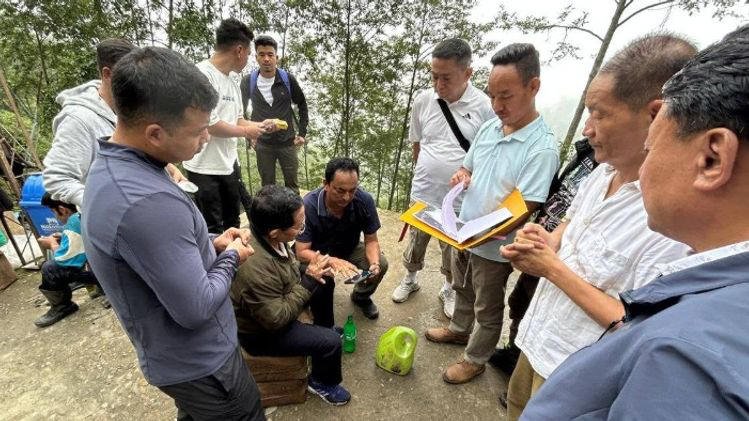
Authorities have initiated a survey for a strategic border road project in West Sikkim that aims to connect multiple outposts of the Sashastra Seema Bal (SSB) in the region. The proposed road is expected to significantly improve connectivity in remote border areas while strengthening security infrastructure and supporting socio-economic development.
The survey marks an important milestone in efforts to enhance transportation networks in strategically important regions of Sikkim. Given the state’s challenging terrain and sensitive border locations, reliable road connectivity remains crucial for both security operations and civilian development.
Officials involved in the project believe the proposed road will improve access to remote areas, facilitate faster movement of personnel and resources, and contribute to better coordination among security agencies stationed along the border.
The initiative also aligns with the broader national objective of strengthening border infrastructure and improving connectivity in frontier regions.
Survey Team Begins Ground Assessment
The survey process involves a detailed assessment of the proposed alignment and surrounding terrain. Technical teams have started examining the geographical features, environmental conditions, and logistical requirements associated with the project.
Officials are evaluating multiple factors, including slope stability, land conditions, accessibility, and engineering feasibility. These assessments will help determine the most suitable route for the proposed road.
The survey will also identify potential challenges that may arise during construction. Since West Sikkim consists of mountainous terrain and ecologically sensitive areas, planners must carefully balance infrastructure development with environmental considerations.
Experts believe that a comprehensive survey is essential for ensuring the long-term success and sustainability of the project. The findings will guide future planning and help authorities prepare detailed project reports.
Strategic Importance of Connecting SSB Outposts
One of the primary objectives of the proposed road is to improve connectivity between Sashastra Seema Bal outposts located in remote and strategically important areas of West Sikkim.
Reliable transportation infrastructure plays a critical role in supporting border management and security operations. Improved road access can facilitate faster deployment of personnel, efficient transportation of supplies, and better communication between outposts.
Officials noted that difficult terrain and weather conditions often create logistical challenges in border regions. Enhanced road connectivity can help overcome these obstacles and improve operational readiness.
The project is expected to strengthen coordination among security agencies while enabling quicker responses during emergencies or unforeseen situations. As a result, the road will serve both strategic and operational purposes.
Authorities consider such infrastructure investments essential for maintaining effective security arrangements in remote border locations.
Enhancing Infrastructure in Frontier Regions
The proposed road forms part of broader efforts to improve infrastructure in border areas across the country. In recent years, governments have increased investments in transportation networks, communication systems, and public facilities in strategically important regions.
Improved infrastructure strengthens national security while also supporting local development. Roads create vital links between remote communities and administrative centers, enabling better access to services and opportunities.
Officials believe that stronger transportation networks contribute to long-term regional stability and economic growth. They also improve the delivery of public services such as healthcare, education, and emergency response.
The survey in West Sikkim reflects the growing emphasis on building resilient infrastructure capable of supporting both strategic and developmental objectives.
Benefits for Local Communities
Although the primary focus of the project involves strengthening border connectivity, local communities are also expected to benefit from the proposed road.
Many villages in remote areas face transportation challenges due to difficult terrain and limited road infrastructure. Improved connectivity can reduce travel time and enhance access to essential services.
Residents may find it easier to reach schools, healthcare facilities, markets, and government offices. Better transportation can also support local businesses and agricultural activities by improving access to commercial centers.
Officials noted that infrastructure development often generates long-term socio-economic benefits. Enhanced connectivity can encourage investment, promote tourism, and create employment opportunities during and after construction.
As a result, the project has the potential to contribute significantly to the development of communities living in the region.
Supporting Disaster Response and Emergency Services
Sikkim’s mountainous geography makes it vulnerable to natural disasters such as landslides, flash floods, and extreme weather events. Therefore, transportation infrastructure plays an important role in disaster preparedness and response.
The proposed road could improve the ability of authorities to reach affected areas quickly during emergencies. Faster access enables efficient delivery of relief materials, medical assistance, and rescue operations.
Officials emphasized that strong transportation networks are essential for disaster management in remote regions. Reliable roads help emergency services respond more effectively when communities face natural calamities.
The project may also improve coordination among various government agencies involved in disaster response and recovery efforts. Enhanced connectivity can strengthen resilience and reduce the impact of future emergencies.
Engineering Challenges and Environmental Considerations
Building infrastructure in mountainous border regions presents several technical challenges. Survey teams are carefully studying the terrain to identify engineering solutions that ensure safety and durability.
The route passes through areas characterized by steep slopes, dense vegetation, and varying geological conditions. Engineers must design the road to withstand environmental pressures while minimizing risks associated with landslides and erosion.
Environmental protection remains another important consideration. Authorities aim to implement the project in a manner that minimizes ecological impact and preserves the region’s natural resources.
The survey process includes environmental assessments to identify sensitive areas and recommend mitigation measures where necessary. Officials stressed that sustainable development principles will guide future planning and execution.
Balancing infrastructure needs with environmental responsibility remains a key priority throughout the project.
Boosting Regional Development and Connectivity
Improved road infrastructure often serves as a catalyst for broader regional development. The proposed border road can enhance connectivity not only for security agencies but also for local residents and businesses.
Better transportation networks encourage economic activity by facilitating the movement of goods and people. They can also support tourism by improving access to scenic and culturally significant destinations in the region.
West Sikkim possesses considerable tourism potential due to its natural beauty and unique landscapes. Enhanced connectivity may help attract more visitors while creating opportunities for local entrepreneurs.
Officials believe the project can contribute to balanced regional growth by linking remote areas more effectively with larger economic and administrative centers.
Government Focus on Border Infrastructure
The survey highlights the government’s continued focus on strengthening infrastructure in border areas. Strategic road projects have become an important component of efforts to improve national security and regional development simultaneously.
Authorities recognize that modern infrastructure enhances operational efficiency while improving living conditions for residents in remote regions. Therefore, investments in roads, bridges, and connectivity projects continue to receive significant attention.
The proposed road in West Sikkim reflects this broader vision. By improving access to SSB outposts and nearby communities, the project aims to create long-term benefits for both security agencies and civilians.
Officials remain optimistic about the project’s potential to transform connectivity in the region.
A Significant Step Toward Stronger Connectivity
The commencement of the survey for the strategic border road marks an important step toward strengthening infrastructure in West Sikkim. Once completed, the project is expected to improve connectivity between SSB outposts, support security operations, and contribute to regional development.
The road will provide better access to remote areas, enhance emergency response capabilities, and create new opportunities for local communities. At the same time, it will strengthen the transportation network in a strategically significant region.
As survey teams continue their assessments, authorities will use the findings to finalize plans and move the project toward implementation. The initiative reflects a long-term commitment to improving border infrastructure while promoting sustainable development in one of India’s most important frontier regions.