

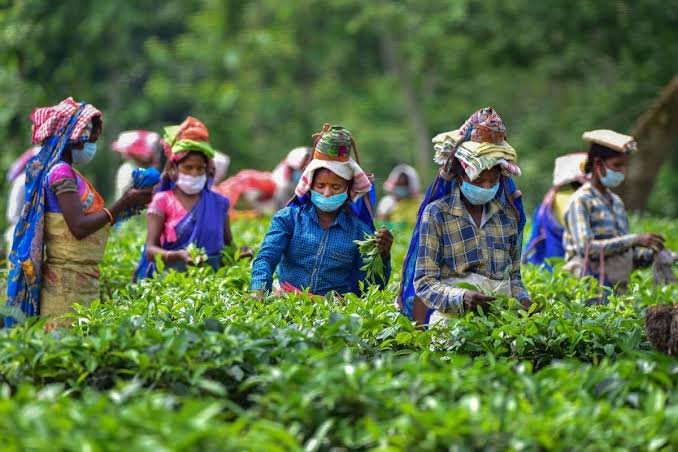
The Tea Estate Strikes issue gained attention in Assam’s Cachar district as tea estate workers staged a brief sit-in demanding timely payment of monsoon allowances. The workers used the peaceful demonstration to raise concerns about delays in receiving the allowance and seek a resolution from the concerned authorities or estate management.
Monsoon allowances can provide important financial support to plantation workers during a challenging seasonal period. Moreover, timely wage-related payments can help workers manage household expenses and maintain financial stability.
The brief sit-in highlights ongoing concerns surrounding worker payments in the tea sector. However, the available information does not specify the number of participating workers, the estates involved, the amount of the allowance, or whether management has announced a payment schedule.
Assam Flood Toll: Official Death Toll Climbs to 95 Across State
Tea Estate Strikes Highlight Payment Concerns
The Tea Estate Strikes reflect workers’ concerns over the delayed payment of monsoon allowances in Cachar.
The workers staged a brief sit-in to draw attention to the issue. Furthermore, peaceful workplace demonstrations can provide workers with a platform to seek clarification and request timely resolution of payment-related concerns.
The action indicates that the allowance remains an important issue for the affected workers.
However, the available information does not identify the specific tea estates where the sit-in occurred.
Tea Estate Strikes Focus on Timely Allowance Payments
The Tea Estate Strikes centre on workers’ demand for timely payment rather than a reported dispute over the existence of the allowance itself.
Delayed payments can create financial difficulties for workers who depend on regular income and allowances to meet household needs. Additionally, seasonal expenses can increase pressure on plantation families during periods of heavy rainfall and disrupted work conditions.
Timely disbursement can therefore provide greater financial certainty.
However, the available information does not state how long the allowance payments have been delayed.
Tea Estate Strikes Draw Attention to Plantation Workers
The Tea Estate Strikes also highlight the economic importance of tea plantation workers in Cachar.
Tea estates depend heavily on workers for activities across the production cycle. Moreover, workers and their families often rely on plantation employment for their primary source of income and associated benefits.
Payment-related concerns can therefore have wider implications for plantation communities.
However, the available information does not provide details about the number of workers affected by the delayed allowance.
Tea Estate Strikes Remain Peaceful
The Tea Estate Strikes involved a brief sit-in rather than a reported disruption involving violence or property damage.
Peaceful demonstrations allow workers to express concerns while maintaining a non-violent form of protest. Furthermore, such actions can encourage employers and authorities to engage directly with workers and their representatives.
Dialogue can help resolve disputes before they lead to prolonged industrial disruption.
However, the available information does not specify whether worker representatives held formal discussions with management after the sit-in.
Tea Estate Strikes Could Affect Plantation Operations
The Tea Estate Strikes could temporarily affect normal plantation activities if similar demonstrations continue.
Tea production depends on regular labour availability, particularly during important cultivation and harvesting periods. Additionally, prolonged workplace disputes can create operational challenges for estates and workers alike.
Resolving payment concerns quickly can help maintain stable working conditions.
However, the available information indicates only a brief sit-in and does not confirm any significant disruption to tea production.
Tea Estate Strikes Put Focus on Worker Benefits
The Tea Estate Strikes bring attention to the importance of allowances and other employment-related benefits for plantation workers.
Worker benefits can form an important part of overall compensation and help employees manage seasonal financial pressures. Moreover, timely payment can strengthen trust between workers and estate management.
Clear communication about payment schedules can also reduce uncertainty.
However, the available information does not specify the terms governing the monsoon allowance in the affected estates.
Tea Estate Strikes Require Management Response
The Tea Estate Strikes may require estate management and relevant authorities to address workers’ concerns.
A clear explanation about payment delays and a specific payment timeline could help reduce uncertainty among workers. Furthermore, communication between management and worker representatives can provide a structured way to resolve disputes.
Such engagement can help prevent repeated demonstrations.
However, the available information does not confirm whether management has issued a formal response.
Tea Estate Strikes Highlight Need for Timely Communication
The Tea Estate Strikes also demonstrate how communication can influence workplace disputes.
Workers may seek clarification when expected payments do not arrive on time. Additionally, transparent information about administrative or financial delays can help workers understand when they can expect payment.
Regular communication can therefore complement timely disbursement.
However, the available information does not explain the reason behind the delayed monsoon allowances.
Tea Estate Strikes Could Prompt Wider Discussions
The Tea Estate Strikes could encourage broader discussions about payment practices and worker welfare within the tea sector.
Cachar forms part of Assam’s important tea-producing landscape. Moreover, issues involving worker allowances can attract attention from labour representatives, plantation management, and government authorities responsible for labour welfare.
Any broader policy response would depend on the nature and scale of the concerns.
However, the available information does not indicate whether other tea estates face similar payment issues.
Tea Estate Strikes Keep Worker Welfare in Focus
The Tea Estate Strikes have placed worker welfare and timely payments at the centre of attention.
Resolving the immediate allowance issue could help restore confidence among workers and prevent further workplace tensions. Furthermore, consistent payment practices can contribute to more stable labour relations across tea estates.
The brief sit-in therefore serves as a reminder of the importance of timely worker benefits.
However, the long-term outcome will depend on whether the concerned authorities or estate management address the workers’ demand.
Conclusion
The Tea Estate Strikes issue emerged in Cachar district after tea estate workers staged a brief sit-in demanding timely payment of monsoon allowances. The peaceful demonstration brought attention to concerns over delayed worker benefits and the financial pressures faced by plantation employees.
Moreover, timely payments and clear communication can help maintain stable labour relations and reduce uncertainty among workers. However, the available information does not specify the affected estates, number of participants, allowance amount, reason for the delay, or management’s response.
Overall, the Tea Estate Strikes highlight the importance of timely worker payments within Assam’s tea sector. A clear payment schedule and constructive dialogue between workers, management, and relevant authorities could help resolve the issue and prevent further disruption.
FAQs
1. What are the Tea Estate Strikes about?
The Tea Estate Strikes refer to a brief sit-in by tea estate workers in Cachar demanding timely payment of monsoon allowances.
2. Where did the workers stage the sit-in?
The demonstration took place in Cachar district, Assam.
3. What are the workers demanding?
The workers are demanding the timely payment of monsoon allowances.
4. Was the demonstration violent?
The information provided describes the action as a brief sit-in, with no reported violence.
5. Has the allowance amount been disclosed?
The available information does not specify the amount of the monsoon allowance or the reason for the payment delay.