

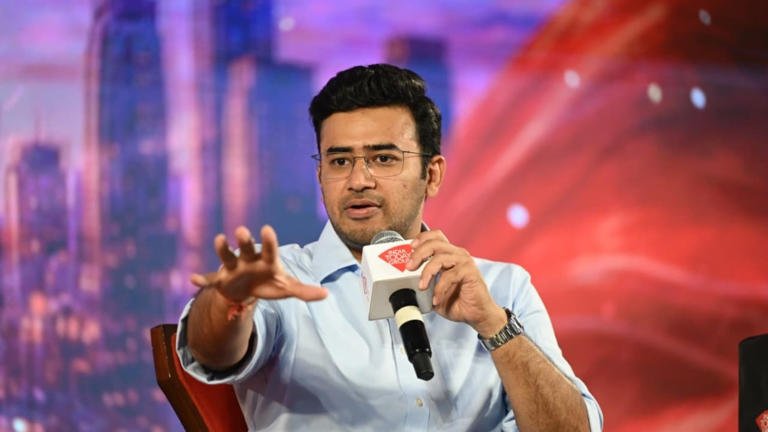
BJP MP Tejasvi Surya has described the CJP as a welcome development while offering a nuanced view on the growing political participation and influence of Generation Z in India.
As young people increasingly engage with political debates, social movements and public issues, the rise of Gen Z has become an important feature of India’s changing political landscape. Digital platforms, campus discussions and public campaigns have enabled younger citizens to express their views more actively and participate in conversations that were once dominated largely by traditional political organisations.
Surya’s remarks reflect a wider debate over how established political parties and institutions should respond to the growing political awareness and activism among young voters.
Tejasvi Surya Calls CJP a Welcome Move
Tejasvi Surya said the CJP was a welcome move, indicating that youth participation and public engagement can play a positive role in a democracy.
The BJP MP’s remarks acknowledge the importance of young people taking an interest in political and social issues.
Public movements involving young citizens can bring new perspectives into political discussions and encourage greater participation in democratic processes.
However, Surya’s response also suggested that welcoming a movement does not necessarily mean agreeing with every aspect of its political approach or objectives.
His “but” reflects the broader questions surrounding the role of youth-led political movements and how they can translate activism into meaningful and constructive participation.
Gen Z Is Becoming More Politically Active
Generation Z is increasingly emerging as an influential political and social force.
Young voters have grown up in a highly connected environment where information, political commentary and public debates are readily accessible through digital platforms.
Social media has allowed young people to organise campaigns, discuss issues and engage directly with political leaders and institutions.
This has contributed to a more visible form of political participation, with younger citizens increasingly expressing opinions on issues ranging from employment and education to governance and social justice.
The growing engagement of Gen Z is forcing political parties to adapt their communication strategies and pay closer attention to the concerns of younger voters.
Youth Movements Can Influence Political Debate
Youth-led movements can play an important role in shaping public discussions.
Young people often bring urgency and new perspectives to issues that may not receive adequate attention through traditional political channels.
Movements and protests can encourage governments and political parties to respond to public concerns.
Tejasvi Surya’s comments on the CJP suggest that he recognises the importance of public participation.
At the same time, the effectiveness of such movements depends on their ability to remain focused on constructive goals and encourage meaningful democratic engagement.
The Challenge of Turning Activism Into Political Change
Public mobilisation does not automatically translate into long-term political change.
While protests can attract attention and influence public discourse, sustained impact often requires organisation, policy engagement and continued participation.
Gen Z’s growing political involvement presents both an opportunity and a challenge for India’s political system.
Young people have the ability to bring new energy into democratic institutions, but movements must also develop clear goals and strategies if they are to create lasting change.
Surya’s cautious support for the CJP reflects these broader questions about the direction and long-term impact of youth political activism.
Digital Platforms Are Changing Youth Politics
Social media and digital communication have transformed the way young people engage with politics.
Political messages can now reach millions of users within a short period, while citizens can directly respond to leaders and participate in online campaigns.
For Gen Z, digital platforms are not separate from political life but are often central to how information is received and opinions are formed.
This has created opportunities for greater participation but has also raised concerns about misinformation, polarisation and the rapid spread of unverified claims.
Political leaders and parties are increasingly attempting to communicate with young voters through the platforms they use most frequently.
Political Parties Seek to Connect With Gen Z
The growing influence of young voters has made Gen Z an important constituency for political parties.
Issues such as employment opportunities, education, entrepreneurship, technology and the cost of living can influence the political choices of younger citizens.
Parties are therefore seeking new ways to communicate with and mobilise young voters.
Tejasvi Surya, himself among the younger faces of the BJP, has often been associated with efforts to engage with youth through political and digital outreach.
His comments on the CJP highlight the importance political leaders are placing on understanding the changing nature of youth participation.
A New Generation of Political Participation
The Tejasvi Surya Gen Z political rise debate reflects a broader shift in how younger citizens view their role in democracy.
Rather than remaining passive observers, many young people are increasingly participating in public debates, campaigns and political discussions.
This participation can take many forms, including voting, volunteering, online activism, public demonstrations and engagement with policy issues.
The rise of youth-led movements indicates that political participation is evolving beyond traditional party structures.
However, the challenge will be to ensure that increased engagement leads to informed and constructive democratic participation.
CJP and the Changing Political Landscape
The CJP has emerged as part of a wider discussion about the role of young people in shaping political movements.
Surya’s description of it as a welcome move suggests recognition of the energy and participation that youth can bring to public life.
His qualification, however, points towards concerns about how such movements develop and the political direction they may take.
As Gen Z becomes a larger part of the electorate, its views and priorities are likely to have an increasing influence on political campaigns and public policy.
The ability of political parties to understand and respond to these concerns could become an important factor in future elections.
Gen Z’s Political Rise Is Reshaping the Debate
The growing involvement of young people is reshaping India’s political conversation.
Gen Z has access to information and communication tools that allow for rapid mobilisation and direct engagement with political issues.
This can strengthen democratic participation by giving younger citizens a greater voice.
At the same time, political engagement requires access to reliable information, open debate and a willingness to engage with differing opinions.
Youth movements can become powerful forces when they combine public enthusiasm with clear objectives and sustained organisation.
Tejasvi Surya’s Take on Youth Politics
Tejasvi Surya’s remarks underline the changing nature of political participation in India.
By calling the CJP a welcome move while also expressing reservations, the BJP MP has presented a cautious but positive view of the growing role of young people in public life.
The Tejasvi Surya Gen Z political rise discussion reflects a larger transformation in Indian politics, where younger citizens are becoming more vocal and active.
As Gen Z’s influence continues to grow, political parties and leaders will need to engage with its concerns and aspirations.
The future impact of youth-led movements such as the CJP will depend on how effectively they convert political awareness and public mobilisation into sustained participation and meaningful democratic engagement.