


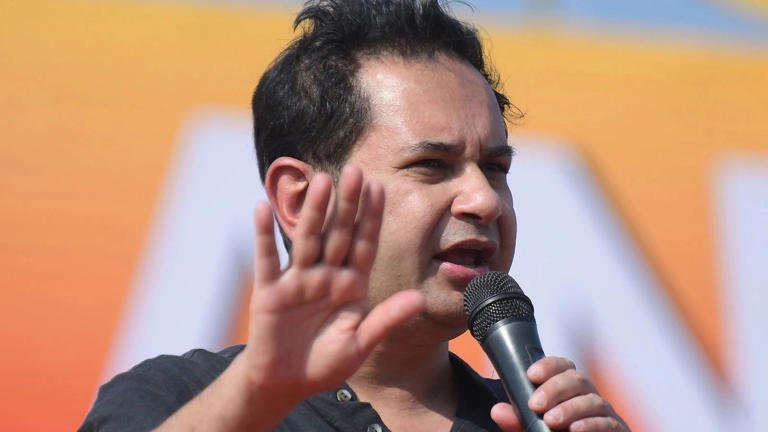
The political and constitutional landscape of Tripura is set for a significant upheaval as the founder of the Tipra Motha Party (TMP), royal scion Pradyot Kishore Manikya Debbarma, announces his decision to move the Supreme Court of India. This pivotal legal challenge is aimed at addressing the alleged systemic denial of fundamental land rights and customary laws to the indigenous people of Tripura by the continuous stalling of bills passed by the Tripura Tribal Areas Autonomous District Council (TTAADC). The move, coming despite the TMP’s alliance with the ruling state government, underscores the party’s unwavering commitment to its core ideology: “Puila Jati, Ulo Party” (Community first, party later).
Read More: CM Manik Saha seeks J P Nadda’s support for Tripura medical college
The Heart of the Dispute: Pending TTAADC Bills
The crux of the matter lies in the long-pending Bills—reportedly numbering around 37—that have been passed by the TTAADC, which the Tipra Motha currently controls. These bills are not mere administrative directives; they are legislative measures central to the identity and security of the indigenous Tiprasa community. A significant portion of these pending bills, estimated to be between 16 to 17, relate directly to the customary laws of the various tribal communities in Tripura, while others concern crucial land-related issues and local economic regulations.
The TTAADC, established under the Sixth Schedule of the Indian Constitution, is vested with legislative and executive powers to safeguard the rights of the indigenous population over land and other local governance matters. The long delay, or effective indefinite withholding, of assent to these bills by the state apparatus—specifically involving the state government as an intermediary and the Governor as the constitutional head—is viewed by Tipra Motha as a direct curtailment of the Council’s legislative authority and a failure of the constitutional machinery meant to protect tribal interests.
Challenging the Governor’s Role as Sixth Schedule Custodian
Pradyot Kishore’s Supreme Court petition intends to challenge this process, arguing that the legislative intent of the TTAADC is being neutralized by administrative inertia. The party asserts that the fate of the indigenous communities cannot be left to the arbitrary delays of district magistrates or political directives. Debbarma explicitly stated that the Governor, as the custodian of the Sixth Schedule, has a constitutional duty to act promptly and in the genuine interest of the people the schedule is designed to protect.
The party is seeking constitutional clarity, likely drawing parallels with the Supreme Court’s 2024 judgment concerning the role of Governors in withholding assent to bills passed by state assemblies. Tipra Motha is demanding a transparent and time-bound process for the Governor to either assent to the TTAADC bills or return them with specific recommendations, thereby allowing the Council to amend and resubmit them. This action is rooted in the belief that indefinite withholding of assent is tantamount to constitutional subversion.
A Struggle for “Greater Tipraland” and Constitutional Rights
The legal maneuver is a manifestation of the Tipra Motha’s broader political mission, epitomized by its call for a ‘Greater Tipraland’. While the specific demand for a separate state remains central to the party’s platform, the fight for legal recognition of land rights and customary laws is an immediate, non-negotiable step toward achieving greater autonomy and securing the Tiprasa identity. Without legal land ownership and the codification of their customary practices, the indigenous population feels perpetually insecure and marginalized.
This development also exposes the underlying tensions within the current political alliance in Tripura. Despite being a part of the BJP-led coalition government, Tipra Motha has shown a consistent readiness to prioritize the constitutional demands of the indigenous community over political expediency. The move to the apex court, with the associated risk, highlights the high stakes involved in the struggle for dignity and constitutional rights in Tripura’s tribal areas, ensuring that the issue of indigenous autonomy receives the highest judicial attention.
Read More: Special Committee to Develop Zubeen Garg’s Samadhi Khetra