

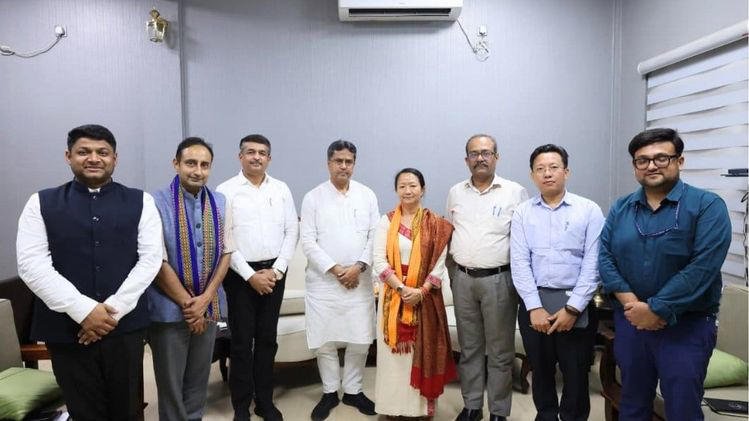
Tripura Chief Minister Manik Saha met NITI Aayog Member Dr Joram Aniya to discuss a roadmap for the state’s future growth. They held detailed talks on education, tourism, sports, infrastructure, startups and innovation.
The meeting focused on areas where the Tripura government and NITI Aayog can work together. Both sides identified key sectors that could help speed up the state’s overall development.
Education received special attention during the discussions. The leaders also explored ways to boost tourism, improve connectivity and support young entrepreneurs.
They discussed Tripura’s strengths in bamboo, horticulture and fisheries as well. The meeting aimed to turn these strengths into new jobs and business opportunities.
Focus on Improving School Education
School education was one of the main topics of discussion. The Chief Minister and Dr Aniya discussed ways to build a stronger education system across Tripura.
They focused on expanding the Vidya Jyoti programme. The discussions also covered Ashram Schools and Eklavya Model Residential Schools.
These schools can help more students get access to quality education. They can also support children from remote and tribal areas.
The meeting also discussed the expansion of Smart Class initiatives. Digital learning can give students access to better study materials and modern teaching methods.
Another major concern was the school dropout rate. The state plans to take focused steps to encourage students to continue their education.
Students may leave school for many reasons. Financial problems, distance and family responsibilities can affect their studies.
The government can address these challenges through targeted support. Better facilities and easier access to schools can also help reduce dropout rates.
Vidya Jyoti and Residential Schools in Focus
The leaders discussed the role of Vidya Jyoti in improving school education. The programme aims to provide students with better facilities and learning opportunities.
The expansion of Ashram Schools also formed part of the discussions. These schools can support students who live far from major towns and cities.
Eklavya Model Residential Schools were another key focus area. These schools can provide education and residential facilities for tribal students.
The state wants to make education more accessible and inclusive. It also aims to improve the quality of teaching.
A stronger education system can prepare young people for future jobs. It can also help Tripura build a skilled workforce.
Boosting Startups and Innovation
The meeting also focused on innovation and entrepreneurship. Tripura wants to create more opportunities for young people who wish to start businesses.
The leaders discussed possible collaboration with the Atal Innovation Mission. This partnership could help strengthen the state’s startup and innovation ecosystem.
Young entrepreneurs can bring new ideas to local industries. They can also use technology to solve problems faced by farmers, businesses and communities.
The state sees strong opportunities in agriculture, tourism and natural resources. Startups can develop new products and services in these sectors.
Innovation can also create new jobs. It can encourage young people to explore opportunities beyond traditional employment.
The government aims to build an environment where new ideas can grow. Support for startups can help turn those ideas into successful businesses.
Exploring Bamboo, Horticulture and Fisheries
Tripura has strong potential in bamboo, horticulture and fisheries. The meeting explored ways to develop these sectors further.
Bamboo is one of Tripura’s important natural resources. The state can promote bamboo-based products and support local industries.
Businesses can use bamboo to make furniture, handicrafts and other products. Better processing and marketing can help producers reach larger markets.
The horticulture sector can also support farmers and rural communities. Modern farming methods and better storage can reduce losses and increase income.
Improved transport can help farmers sell their products in new markets. Value-added processing can create more business opportunities as well.
The fisheries sector can also support rural livelihoods. The state can improve fish production and strengthen market links.
Together, these sectors can create jobs and support economic growth in Tripura.
Railway and Airport Projects Discussed
Connectivity and infrastructure also formed a major part of the meeting. Better transport links can support trade, tourism and business growth.
The leaders discussed expanding railway connectivity across the state. Stronger rail links can improve the movement of people and goods.
The proposed development of airports at Kailashahar and Kamalpur also came up during the discussions.
New airport facilities could improve access to different parts of Tripura. They could also support tourism and business activity.
Better connectivity can help remote areas join the state’s wider economy. It can also make it easier for businesses to reach new markets.
Tripura’s location in the Northeast gives it strategic importance. The state also shares a border with Bangladesh, creating opportunities for trade and regional connectivity.
Tourism Gets Major Attention
Tourism emerged as another important area during the discussions. Tripura has a rich mix of cultural, spiritual and natural attractions.
The leaders discussed developing the Buddhist Circuit. This initiative could attract more domestic and international visitors.
They also focused on promoting homestays across the state. Homestays can provide direct income to local families.
Visitors can also experience local food, traditions and culture through homestays. This model can spread the benefits of tourism to smaller communities.
Tripura can promote its temples, heritage sites, forests and natural beauty. However, the state must balance tourism growth with environmental protection.
Sustainable tourism can protect local culture while creating jobs. Good roads, clean facilities and better visitor services can further support this sector.
Unakoti to Play a Key Role
The conservation and development of Unakoti also received special attention. The historic site is one of Tripura’s most important tourist attractions.
Unakoti is known for its ancient rock carvings and religious importance. It attracts visitors from different parts of India.
The state wants to develop the site without harming its heritage. Conservation will remain important as visitor numbers grow.
Better facilities can improve the experience for tourists. At the same time, authorities need to protect the site’s historical and cultural value.
The development of Unakoti can become an important part of Tripura’s larger tourism plan.
Sports and Youth Development
The meeting also identified sports as an important area for Tripura’s growth. Better sports facilities can help young athletes develop their skills.
The state can identify talented players and provide them with training and support. More opportunities can help athletes compete at higher levels.
Sports can also promote discipline, teamwork and confidence among young people.
The government’s wider plan focuses on creating opportunities for youth. Education, startups, innovation and sports can all play an important role.
A strong youth-focused strategy can help Tripura prepare for future challenges and opportunities.
A Roadmap for Tripura’s Future
The meeting between Manik Saha and Dr Joram Aniya outlined several priorities for Tripura’s future.
Education can help build a skilled workforce. Startups and innovation can create new jobs and businesses.
Bamboo, horticulture and fisheries can strengthen rural incomes. Better railway and air connectivity can support trade and investment.
Tourism can create jobs while showcasing Tripura’s rich culture and natural beauty. The Buddhist Circuit, homestays and Unakoti could play key roles in this effort.
The discussions also showed the importance of cooperation between the Tripura government and NITI Aayog.
Both sides can work together to turn these plans into practical projects. Strong planning and timely action will be important.
Looking Ahead
The meeting between Chief Minister Manik Saha and NITI Aayog Member Dr Joram Aniya focused on a broad development plan for Tripura.
The roadmap covers education, innovation, infrastructure, tourism, sports and key economic sectors.
The state aims to improve schools and reduce dropout rates. It also wants to support startups and young entrepreneurs.
At the same time, stronger rail links and proposed airports could improve connectivity. Tourism projects could create fresh opportunities for local communities.
Tripura now has the opportunity to build on its natural resources and cultural strengths. Effective cooperation between the state government and NITI Aayog can help turn these discussions into action.
The success of the Tripura development roadmap will depend on strong planning, steady investment and effective implementation. The focus now will be on converting these ideas into projects that improve the lives of people across the state.