

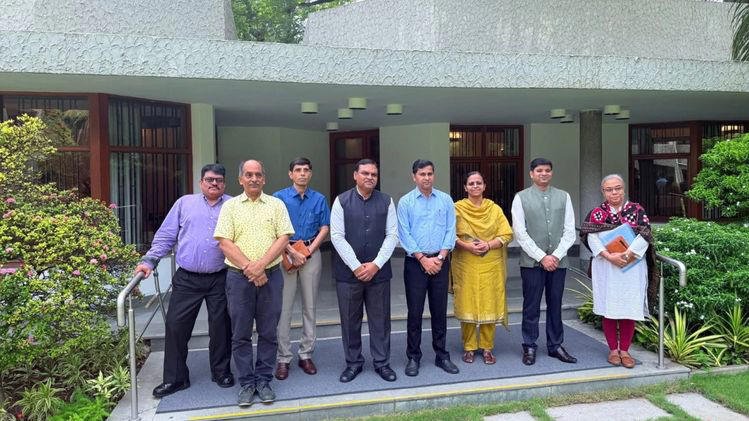
Tripura is looking to transform its dairy sector with fresh momentum after Animal Resource Development (ARD) Minister Sudhangshu Das met the Chairman of the National Dairy Development Board (NDDB), Meenesh Shah, in Anand, Gujarat. The high-level meeting focused on strengthening dairy infrastructure, increasing milk production, and improving the livelihoods of dairy farmers across the northeastern state.
The visit comes at a time when Tripura is working to reduce its dependence on milk imports from neighbouring states while creating sustainable income opportunities for thousands of rural households. By seeking technical support and strategic collaboration from NDDB, the state government aims to modernise the dairy ecosystem and unlock the untapped potential of the livestock sector.
Officials believe that a stronger dairy industry will not only improve nutritional security but also contribute significantly to rural employment, women’s empowerment, and economic growth in Tripura.
Minister Holds Strategic Talks with NDDB Leadership
During his visit to the NDDB headquarters in Anand, Minister Sudhangshu Das held extensive discussions with NDDB Chairman Meenesh Shah on various aspects of dairy development. The meeting revolved around strengthening milk production, improving dairy infrastructure, expanding cooperative networks, and introducing modern technologies into the state’s dairy value chain.
The minister highlighted Tripura’s commitment to making dairy farming a profitable and sustainable occupation for farmers. He also discussed the need for technical guidance, financial assistance, and institutional support from NDDB to achieve the state’s long-term dairy development goals.
The discussions covered multiple areas, including breed improvement programmes, animal health services, milk procurement systems, processing facilities, cold chain infrastructure, and market expansion.
According to officials, both sides expressed optimism about working together on projects that would significantly improve milk production and create better opportunities for dairy farmers throughout Tripura.
Focus on Enhancing Milk Production
One of the major objectives of the meeting was to explore ways to increase milk production across the state. Although dairy farming is an important livelihood activity for many rural families in Tripura, production levels have remained below growing consumer demand.
The government believes that scientific dairy farming practices, better livestock management, quality cattle breeds, and improved veterinary healthcare can substantially increase milk output in the coming years.
NDDB’s experience in transforming India’s dairy sector through technological innovation and cooperative development is expected to play a crucial role in helping Tripura achieve these objectives.
Experts say that higher milk production would reduce the state’s dependence on external supplies while ensuring stable incomes for dairy farmers.
Modern Infrastructure Remains a Priority
A key area of discussion during the meeting was the development of modern dairy infrastructure across Tripura.
The state government is looking to establish better milk collection centres, chilling units, processing plants, storage facilities, and transportation networks that can maintain milk quality from villages to consumers.
Efficient infrastructure is considered essential for reducing post-production losses and ensuring that farmers receive fair prices for their produce.
Strengthening the cold chain will also allow milk and dairy products to reach distant markets without compromising quality, thereby expanding business opportunities for local producers.
Officials believe that investments in infrastructure will help create a more organised and efficient dairy sector capable of supporting future growth.
Strengthening Dairy Cooperatives
The meeting also emphasised the importance of cooperative institutions in building a sustainable dairy economy.
Tripura plans to strengthen existing dairy cooperatives while encouraging more farmers to join organised milk collection systems. Cooperative models have played a significant role in India’s dairy success story by providing farmers with assured procurement, fair pricing, veterinary support, and access to modern technologies.
By expanding cooperative networks, the government hopes to ensure that even small and marginal farmers can benefit from organised dairy marketing systems.
The collaboration with NDDB is expected to provide valuable guidance in improving cooperative management, financial sustainability, and farmer participation.
Better Livelihood Opportunities for Farmers
The state government sees dairy farming as an effective way to improve rural livelihoods and create year-round income opportunities.
Unlike seasonal agricultural activities, dairy farming provides farmers with regular earnings through daily milk sales. This steady income helps rural families manage household expenses, children’s education, healthcare, and agricultural investments.
Officials believe that expanding dairy activities can also reduce rural unemployment and encourage young people to participate in livestock farming as a viable business.
The proposed initiatives are expected to particularly benefit small farmers who own only a few cattle but rely heavily on dairy income.
Empowering Women Through Dairy Farming
Women play a central role in dairy farming across Tripura, handling activities such as feeding cattle, milking animals, maintaining hygiene, and managing household dairy operations.
The government believes that strengthening the dairy sector will directly contribute to women’s economic empowerment by increasing their participation in organised dairy enterprises.
Through cooperative societies and self-help groups, women can access training programmes, financial services, and marketing opportunities that improve both productivity and income.
NDDB’s expertise in promoting women-led dairy cooperatives is expected to support Tripura’s efforts to encourage greater female participation in the sector.
Officials say that empowering women through dairy development will have positive social and economic impacts on rural communities.
Importance of Scientific Animal Husbandry
The discussions also highlighted the need for scientific livestock management to improve productivity.
Modern dairy farming requires balanced nutrition, disease prevention, regular veterinary care, artificial insemination, genetic improvement, and scientific breeding practices.
The government plans to strengthen veterinary infrastructure and provide farmers with training programmes that promote better animal health and efficient farm management.
Healthy livestock not only produce more milk but also reduce treatment costs and improve the overall profitability of dairy farming.
Experts believe that adopting scientific practices will significantly enhance productivity across Tripura’s dairy sector.
Scope for Value Addition
Beyond increasing raw milk production, Tripura is also exploring opportunities in value-added dairy products.
Processing milk into products such as curd, paneer, butter, cheese, ghee, flavoured milk, and sweets can generate higher returns for dairy producers and create new business opportunities.
Developing local dairy processing industries would also create employment in packaging, transportation, marketing, and retail.
Officials believe that value addition can strengthen the entire dairy supply chain while expanding market opportunities for producers within and outside the state.
With proper branding and quality assurance, Tripura’s dairy products could eventually reach wider regional markets.
Government’s Long-Term Vision
The meeting between Minister Sudhangshu Das and NDDB Chairman Meenesh Shah reflects Tripura’s broader vision of building a self-reliant and modern dairy sector.
The government aims to combine policy support, infrastructure development, scientific farming techniques, and institutional partnerships to create a sustainable dairy ecosystem.
By collaborating with NDDB, Tripura hopes to benefit from decades of experience in cooperative dairy development that transformed India into one of the world’s largest milk producers.
Officials are optimistic that continued cooperation between the state government and NDDB will help improve milk availability, strengthen rural livelihoods, generate employment, and contribute to the state’s economic development.
As Tripura moves forward with its dairy expansion plans, the partnership with NDDB is expected to become an important milestone in building a stronger, more productive, and farmer-friendly dairy industry capable of supporting inclusive growth across the state.