

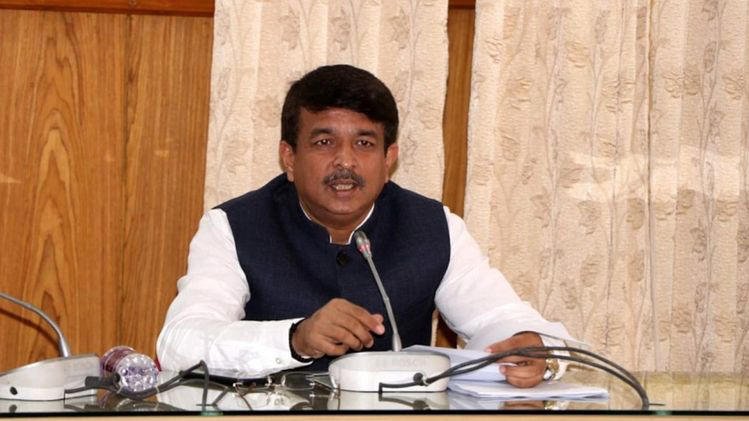
The Tripura government consulted medical professionals before implementing its decision to prohibit private practice by doctors at Agartala Government Medical College (AGMC) and Govind Ballabh Pant (GB Pant) Hospital, according to the state’s Health Secretary. The official clarified that the policy was introduced after discussions with stakeholders and was aimed at strengthening public healthcare services by ensuring greater availability of doctors within government hospitals.
The decision forms part of the government’s broader efforts to improve patient care, reduce waiting times, and enhance the overall efficiency of healthcare delivery in Tripura’s premier government medical institution. According to the Health Secretary, the consultation process included interactions with doctors and healthcare administrators to understand practical concerns and identify measures that would support the smooth implementation of the new policy.
Officials maintain that the primary objective of the decision is to improve accessibility to quality healthcare for patients who depend on government hospitals for medical treatment.
Consultations Held Before Policy Decision
Addressing concerns regarding the implementation of the policy, the Health Secretary stated that the government did not introduce the ban without prior consultation. According to the official, discussions were held with members of the medical fraternity to understand their perspectives before finalizing the decision.
The consultation process allowed authorities to evaluate operational challenges, consider suggestions from healthcare professionals, and assess the likely impact of the proposed policy on hospital services.
Officials emphasized that stakeholder consultations are an important component of policymaking, particularly in sectors such as healthcare where administrative decisions directly affect both service providers and patients.
The government believes that dialogue with medical professionals contributes to better implementation and institutional cooperation.
Objective of the Ban
According to the Health Department, the restriction on private practice has been introduced to ensure that doctors devote their full professional attention to patient care within government hospitals.
Officials explained that increased availability of specialists and senior doctors during official working hours is expected to improve outpatient services, inpatient care, emergency treatment, and medical supervision.
The government believes that strengthening the presence of doctors in public hospitals will enhance healthcare delivery while improving patient satisfaction.
The policy also seeks to ensure that public healthcare institutions maximize the benefits of experienced medical professionals employed within the government system.
Improving Patient Care
One of the primary goals of the decision is to improve healthcare services for patients visiting AGMC and GB Pant Hospital, the state’s leading tertiary healthcare institution.
Officials expect that greater doctor availability will reduce waiting times, improve consultation schedules, strengthen emergency response, and enhance continuity of treatment.
Patients requiring specialist consultations are also expected to benefit from improved access to senior medical professionals during hospital working hours.
The Health Department stated that the policy is intended to create a more patient-centric healthcare environment by ensuring that government hospitals remain adequately staffed throughout the day.
Improved healthcare accessibility remains central to the government’s objectives.
Strengthening Public Healthcare Services
The government considers AGMC and GB Pant Hospital a crucial pillar of Tripura’s healthcare system. As the state’s principal referral hospital and teaching institution, the hospital serves patients from across Tripura as well as neighboring regions.
Officials believe that strengthening public healthcare infrastructure requires not only investments in buildings and equipment but also effective utilization of available human resources.
The policy aligns with broader initiatives aimed at improving hospital management, expanding medical services, upgrading infrastructure, and enhancing healthcare quality throughout the state.
Authorities maintain that better deployment of medical professionals will contribute significantly to improved public health outcomes.
Balancing Administrative and Professional Interests
The Health Secretary acknowledged that policy changes affecting medical professionals require careful consideration and balanced implementation.
The government, according to officials, has attempted to ensure that the interests of healthcare professionals are taken into account while prioritizing public healthcare needs.
The consultation process provided an opportunity for doctors to express concerns regarding workload, professional responsibilities, and institutional arrangements.
Officials indicated that the government remains open to constructive dialogue and will continue engaging with healthcare professionals to ensure effective implementation of the policy.
Maintaining cooperation between administrators and doctors is considered essential for successful healthcare reforms.
Role of AGMC and GB Pant Hospital
Agartala Government Medical College and GB Pant Hospital occupy a central position in Tripura’s healthcare network by providing tertiary medical care, specialized treatment, medical education, and clinical training.
The institution caters to a large number of patients every day across multiple medical specialties including medicine, surgery, pediatrics, obstetrics and gynecology, orthopedics, cardiology, and emergency medicine.
Officials emphasized that ensuring adequate availability of faculty members and specialists within the hospital is important not only for patient care but also for maintaining high standards of medical education and clinical training.
The policy is expected to strengthen both healthcare services and academic activities.
Continuing Healthcare Reforms
The decision forms part of Tripura’s wider healthcare reform agenda, which includes improving hospital infrastructure, expanding diagnostic facilities, strengthening medical education, recruiting healthcare professionals, and modernizing public health services.
The government has undertaken several initiatives to improve healthcare accessibility, particularly through investments in district hospitals, primary healthcare centres, digital health systems, and medical colleges.
Officials believe that institutional reforms, combined with infrastructure development, will improve healthcare quality and strengthen public confidence in government hospitals.
The Health Department reiterated its commitment to building a responsive and efficient healthcare system.
Importance of Public Healthcare Accessibility
Public hospitals remain the primary source of affordable healthcare for a large section of Tripura’s population.
Officials noted that policies aimed at improving doctor availability directly benefit patients who rely on government institutions for specialized treatment.
The government believes that strengthening public healthcare services contributes to greater equity in healthcare access while reducing financial burdens on economically weaker sections.
Improved institutional efficiency also supports broader goals related to universal healthcare coverage and public health improvement.
Ensuring timely medical attention remains a key priority for healthcare administrators.
Looking Ahead
The Health Department stated that the implementation of the policy will be closely monitored to assess its effectiveness and identify any operational issues requiring attention.
Authorities will continue reviewing hospital performance indicators, patient feedback, doctor availability, and service delivery outcomes to evaluate the impact of the decision.
Officials also indicated that constructive suggestions from medical professionals will continue to be considered as part of ongoing healthcare management.
The government remains committed to introducing further reforms that improve healthcare quality while supporting medical professionals in delivering effective patient care.
Conclusion
The Tripura government’s clarification that doctors were consulted before introducing the ban on private practice at AGMC and GB Pant Hospital highlights its emphasis on stakeholder engagement and healthcare reform. According to the Health Secretary, the decision aims to improve the availability of doctors within government hospitals, strengthen patient care, and enhance the overall efficiency of the state’s premier healthcare institution.
As Tripura continues modernizing its healthcare system, the policy represents one of several initiatives focused on improving public health services through better resource utilization, institutional strengthening, and patient-centred care. The government maintains that continued dialogue with healthcare professionals and regular policy evaluation will remain essential to achieving long-term improvements in healthcare delivery across the state.