

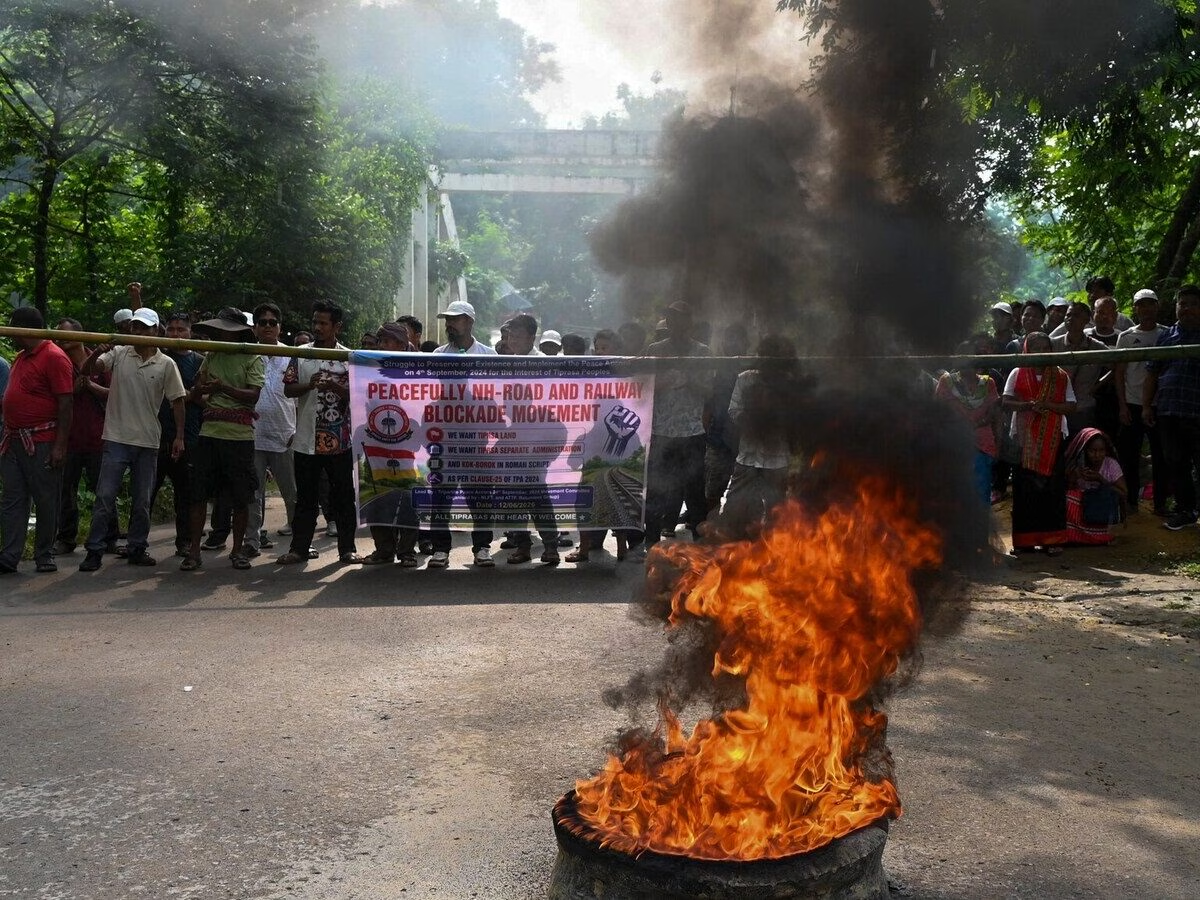
The Tripura Militant Blockade commenced on June 12 after surrendered members of the National Liberation Front of Tripura (NLFT) and All Tripura Tiger Force (ATTF) launched a 72-hour rail and road blockade across the state. The former insurgents are demanding the prompt implementation of a ₹250-crore rehabilitation package aimed at addressing their long-pending concerns. Moreover, the agitation has raised concerns over transportation disruptions and the need for dialogue to resolve the issue peacefully.
Tripura Blockade Withdrawn After Government Assurances and High-Level Talks
Tripura Zoo Authority Proposal Gains Conservation Support
Tripura Militant Blockade Enters 72-Hour Phase
The Tripura Militant Blockade began on June 12 as surrendered members of the NLFT and ATTF initiated a 72-hour rail and road blockade.
Moreover, the protest aims to draw attention to their long-standing demand for the implementation of a rehabilitation package valued at ₹250 crore.
Former Insurgents Press for Rehabilitation Measures
The demonstrators have called for the swift execution of the proposed package, which is intended to address rehabilitation and welfare concerns of surrendered cadres.
Consequently, the issue has once again brought focus to the challenges associated with reintegration and rehabilitation processes.
Rail and Road Connectivity Affected
The Tripura Militant Blockade has the potential to disrupt transportation networks and affect the movement of passengers and goods.
Furthermore, prolonged blockades can have economic implications and create inconvenience for residents and businesses.
Demand Centers Around ₹250 Crore Package
According to the protesters, the rehabilitation package is essential for fulfilling commitments made toward surrendered members.
Therefore, they are seeking timely action and greater attention to their grievances.
Moreover, rehabilitation initiatives are often viewed as important components of long-term peace and stability.
Authorities Monitor the Situation
The Tripura Militant Blockade has prompted authorities to closely monitor developments and maintain law and order.
Consequently, security agencies and administrative officials remain alert to ensure that public safety is not compromised.
Additionally, governments generally prefer resolving such matters through discussions and negotiations.
Reintegration Challenges Resurface
The agitation has highlighted broader issues surrounding the reintegration of former militants into mainstream society.
Furthermore, successful rehabilitation programs are considered important for sustaining peace and preventing future tensions.
Economic and Social Concerns Emerge
The Tripura Militant Blockade has raised concerns regarding its impact on daily life and economic activities.
Therefore, stakeholders are closely observing the situation to assess the extent of disruptions caused by the protest.
Moreover, uninterrupted transportation remains essential for maintaining normal economic functions.
Dialogue Seen as Key to Resolution
Observers emphasize that constructive dialogue remains the most effective way to address grievances and find lasting solutions.
Consequently, negotiations between authorities and representatives of the surrendered cadres may play an important role in resolving the impasse.
Additionally, peaceful engagement often helps prevent escalation and fosters mutual understanding.
Focus on Stability and Development
The Tripura Militant Blockade has underscored the importance of balancing rehabilitation efforts with broader goals of peace and development.
Furthermore, addressing long-pending concerns can contribute to social harmony and strengthen confidence in institutional mechanisms.
Situation Continues to Be Monitored
Authorities are expected to continue monitoring the protest and assessing its impact on transportation and public life.
Meanwhile, attention remains focused on possible discussions that could pave the way for an amicable resolution.
Moreover, the Tripura Militant Blockade serves as a reminder of the importance of effective rehabilitation policies in post-conflict regions.
Conclusion
The Tripura Militant Blockade launched by surrendered members of the NLFT and ATTF marks a significant development in the state’s ongoing efforts to address issues related to rehabilitation and reintegration. By initiating a 72-hour rail and road blockade, the protesters have sought to draw attention to their demand for the prompt implementation of a ₹250-crore package. The agitation has also highlighted the complexities involved in ensuring that commitments made to former insurgents are effectively fulfilled.
Moreover, the blockade has raised concerns about possible disruptions to transportation and economic activities. Maintaining stability while addressing legitimate grievances remains a key challenge for authorities. Constructive dialogue and peaceful engagement will be essential in ensuring that the situation does not escalate and that mutually acceptable solutions are identified.
Furthermore, the Tripura Militant Blockade underscores the broader importance of rehabilitation initiatives in sustaining peace and fostering long-term development. Effective reintegration measures can strengthen social harmony and contribute to a more stable future. Overall, the developments reinforce the need for continued cooperation and dialogue between all stakeholders.
FAQs
Q1. What is the Tripura Militant Blockade?
The Tripura Militant Blockade refers to the 72-hour rail and road blockade launched by surrendered NLFT and ATTF members on June 12.
Q2. What are the protesters demanding?
They are demanding the swift implementation of a ₹250-crore rehabilitation package.
Q3. Which groups are involved in the agitation?
Former members of the National Liberation Front of Tripura (NLFT) and All Tripura Tiger Force (ATTF) are participating.
Q4. How long is the blockade scheduled to continue?
The blockade has been announced for a duration of 72 hours.
Q5. Why is the Tripura Militant Blockade significant?
The Tripura Militant Blockade is significant because it highlights issues related to rehabilitation, reintegration, and the importance of dialogue in maintaining peace and stability.