

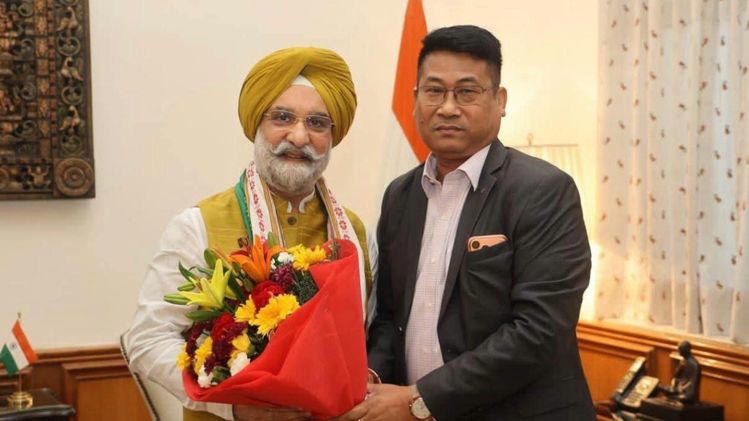
The Tripura government has sought land in the national capital to establish hostels for tribal students pursuing higher education in Delhi, in a move aimed at improving access to quality education and ensuring safe, affordable accommodation for students from the northeastern state.
The proposal reflects the state’s commitment to supporting tribal youth who move to Delhi for undergraduate, postgraduate, professional, and research programmes. By providing dedicated hostel facilities, the government hopes to reduce the financial burden on students and create an environment that enables them to focus on academics and personal development.
Officials believe that the initiative will encourage more tribal students to pursue higher education at premier institutions in the capital while strengthening educational opportunities for communities living in remote areas of Tripura.
Government Seeks Land in Delhi
The Tripura government has formally requested the allocation of suitable land in Delhi for the construction of hostel facilities exclusively for tribal students from the state.
The proposed hostels are intended to accommodate students enrolled in universities, colleges, and professional institutions across the national capital. Officials said the demand has grown over the years as increasing numbers of students from Tripura travel to Delhi in search of better educational opportunities.
The government believes that dedicated hostel infrastructure will provide a secure and supportive living environment for students who are studying away from home.
Supporting Tribal Students in Higher Education
Higher education often requires students from Tripura’s tribal communities to relocate to metropolitan cities where better academic opportunities are available.
However, many students face challenges in finding affordable accommodation, particularly in Delhi, where living expenses are comparatively high. The proposed hostel facilities are expected to reduce these financial pressures while making higher education more accessible.
Officials said the initiative aligns with the government’s broader objective of promoting educational inclusion and ensuring that talented students are not deprived of opportunities due to economic or logistical constraints.
Affordable and Safe Accommodation
One of the primary objectives of the proposed hostel project is to provide affordable and secure accommodation for tribal students.
Private housing in Delhi can be expensive and difficult to access for students arriving from distant states. Government-supported hostels would offer a reliable alternative, enabling students to live in a safe environment while concentrating on their academic pursuits.
Officials noted that a dedicated hostel would also help students adjust more comfortably to life in a large metropolitan city by providing an organised residential community.
The initiative is expected to ease concerns for both students and their families.
Encouraging Higher Educational Aspirations
The proposed hostel facilities are expected to encourage more tribal students to pursue higher education outside the state.
Access to quality accommodation can play an important role in students’ decisions to seek admission to reputed universities and specialised institutions. With improved residential support, more young people may be motivated to pursue professional courses, research programmes, and advanced academic qualifications.
Officials believe that increasing participation in higher education will contribute to long-term social and economic development within Tripura’s tribal communities.
Focus on Educational Inclusion
Education remains a key priority for the Tripura government, particularly in promoting opportunities for students belonging to Scheduled Tribe communities.
The proposed hostel initiative reflects efforts to remove barriers that often prevent students from accessing quality education. Alongside scholarships, financial assistance, coaching programmes, and educational support schemes, hostel facilities would further strengthen the state’s commitment to educational inclusion.
Officials stated that ensuring equal access to higher education remains essential for empowering disadvantaged communities and promoting inclusive development.
Benefits Beyond Accommodation
The proposed hostels are expected to provide more than just residential facilities.
Students living together in a supportive academic environment can benefit from peer learning, mentoring, cultural interaction, and improved emotional well-being. Such hostels often serve as centres where students receive guidance regarding academic opportunities, career planning, competitive examinations, and skill development.
Officials believe that creating a positive residential atmosphere can contribute significantly to students’ academic success and overall personal growth.
The hostel facilities may also help preserve cultural connections among students from Tripura while they study outside the state.
Strengthening Human Resource Development
The government views investment in education as an investment in human resource development.
By supporting tribal students in accessing quality higher education, the state aims to develop a skilled workforce capable of contributing to Tripura’s future economic and social progress.
Graduates from leading universities can bring valuable knowledge, professional expertise, and innovative ideas back to the state, strengthening sectors such as education, healthcare, administration, technology, entrepreneurship, and public service.
Officials said educational investments have long-term benefits that extend beyond individual students to entire communities.
Need for Better Educational Support Infrastructure
As more students from northeastern states pursue higher education in metropolitan cities, the demand for institutional support has continued to grow.
Dedicated hostel infrastructure has emerged as an important requirement for ensuring that students have access to affordable housing while maintaining academic focus. Officials noted that such facilities also reduce dependence on expensive private accommodation and provide a more stable living environment.
The proposed project reflects Tripura’s proactive approach to addressing the practical challenges faced by students studying outside the state.
Commitment to Tribal Welfare
The hostel proposal also forms part of the government’s broader commitment to tribal welfare and socio-economic development.
Education is widely recognised as one of the most effective tools for empowering tribal communities, expanding employment opportunities, and improving living standards. By investing in educational infrastructure, the government seeks to strengthen opportunities for young people while promoting inclusive growth.
Officials emphasised that supporting tribal students through quality education contributes to building a more equitable and progressive society.
A Step Towards Educational Empowerment
Tripura’s request for land in Delhi to establish hostels for tribal students represents an important step towards expanding educational opportunities beyond the state’s borders.
If approved, the project will provide much-needed accommodation for students pursuing higher education in the national capital, reducing financial burdens and creating a supportive academic environment. The initiative also reflects the government’s long-term vision of empowering tribal youth through education, enabling them to compete at national institutions while contributing to the state’s future development.
By strengthening educational support systems, Tripura aims to ensure that talented students receive the opportunities, security, and resources they need to achieve academic excellence and build successful careers.