

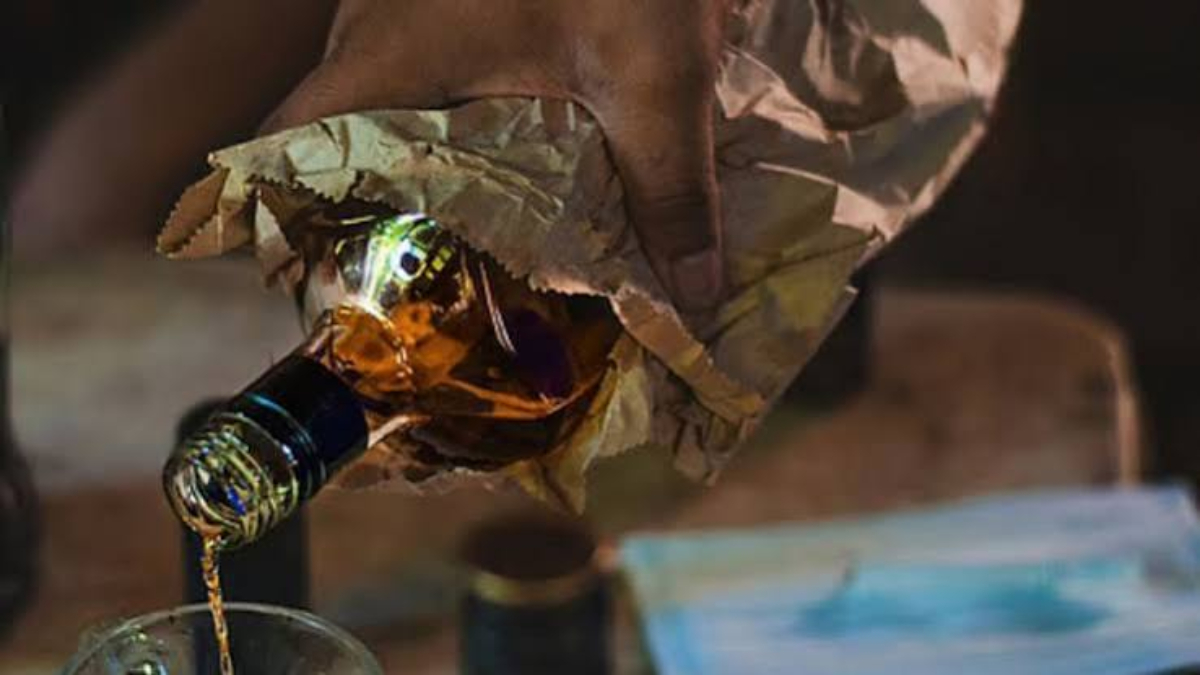
Tuensang liquor deaths have raised alarm in Nagaland after nine people were reportedly found dead in Tuensang district, with suspected consumption of spurious liquor emerging as a possible cause. Authorities are expected to examine the circumstances surrounding the deaths, including the source and composition of the liquor allegedly consumed. The incident has renewed concerns over the risks posed by illegal alcohol in a state where prohibition laws remain in force.
Tuensang liquor deaths trigger concern
The reported deaths have created concern among residents in Tuensang, a district in eastern Nagaland bordering Myanmar. According to the district administration’s official website, Tuensang covers about 1,728 square kilometres and shares boundaries with Mon, Longleng, Mokokchung, Zunheboto and Kiphire districts.
While the suspected link to spurious liquor remains under investigation, the reported death toll of nine has made the incident a serious public health and law-and-order concern. Authorities will need to establish whether the victims consumed liquor from a common source and whether contamination or adulteration was involved.
At this stage, the suspected cause should not be treated as confirmed until medical and forensic investigations establish the exact reason for the deaths.
Nagaland’s prohibition law under scrutiny
The incident comes against the backdrop of Nagaland’s long-standing prohibition regime. The Nagaland Liquor Total Prohibition Act, 1989, prohibits the manufacture, sale and consumption of liquor in the state, subject to provisions and exceptions under the law.
Despite the prohibition framework, authorities have continued to take action against the illegal trade and storage of alcohol. In September 2024, Nagaland Police conducted a statewide surprise-checking operation and seized 9,583 bottles of liquor. Police also registered 28 cases and arrested 30 people under the prohibition law.
The earlier enforcement action illustrates the scale of the challenge facing the authorities. Illegal supply chains can create additional risks when alcohol is stored improperly, sold without regulatory oversight or adulterated with harmful substances.
Suspected spurious liquor raises health fears
Spurious liquor can pose a severe health risk because illegally produced or adulterated alcohol may contain toxic substances. Methanol poisoning, for example, can cause serious illness, including visual problems, metabolic complications and death.
However, the presence of suspected spurious liquor in the Tuensang case would have to be established through appropriate medical examination and forensic testing. Authorities would also need to determine whether the victims developed similar symptoms and whether their deaths occurred within a related time frame.
Medical evidence, post-mortem examinations and laboratory analysis could therefore become crucial to the investigation.
Investigation expected to establish source
A key question for investigators will be where the suspected liquor came from. If the victims consumed alcohol from the same source, authorities could examine the seller, supply route, storage location and other people who may have purchased or consumed the same product.
Such an investigation could also help determine whether the deaths represent an isolated incident or point to a wider circulation of potentially dangerous liquor in the area.
Police action against suppliers would depend on the evidence collected during the investigation. Authorities may also conduct checks on locations suspected of storing or distributing illegal alcohol.
Tuensang faces wider enforcement challenge
The reported Tuensang liquor deaths also highlight the difficult enforcement environment created by prohibition. Previous police operations have shown that illegal liquor remains available despite restrictions. The 2024 statewide operation, for instance, involved coordinated action by district executive forces, Nagaland Armed Police and Indian Reserve Battalions.
For communities, the immediate priority is establishing the facts behind the deaths and ensuring that anyone who may have consumed the same suspected liquor receives timely medical attention.
Authorities may also need to issue public advisories if investigations indicate that a particular batch, source or type of liquor poses an ongoing danger.
Focus shifts to accountability and public safety
The deaths in Tuensang have put renewed attention on illegal alcohol and the enforcement of Nagaland’s prohibition laws. The priority now is a transparent investigation that establishes the exact cause of death, identifies the source of the suspected liquor and determines whether criminal violations occurred.
As forensic and medical findings emerge, the authorities will be expected to communicate verified information clearly to the public. Until then, the suspected role of spurious liquor should remain an investigative possibility rather than a confirmed cause.