

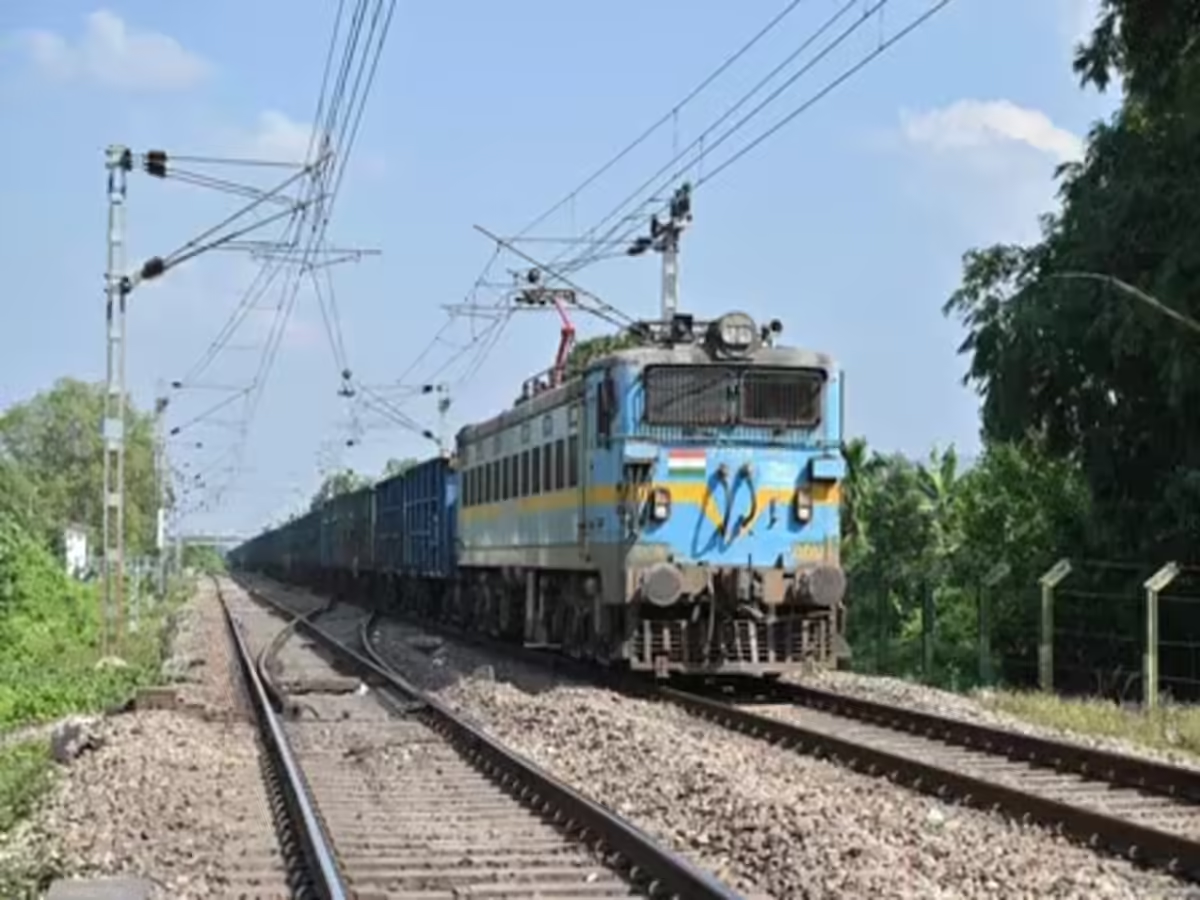
The Vande Bharat Expansion has reached a significant milestone after Tripura Railways finalized structural alignments for the state’s first Vande Bharat high-speed rail route. The development marks progress in railway infrastructure planning and supports efforts to improve connectivity between Tripura and the broader national rail network.
The Vande Bharat Expansion has gained momentum with Tripura Railways finalizing structural alignments for the state’s first Vande Bharat high-speed rail route. The milestone represents an important step in planning the infrastructure required for introducing the semi-high-speed train service to the state. Moreover, the finalized alignments lay the groundwork for future engineering and construction activities, subject to applicable approvals and implementation schedules.
Modern rail infrastructure plays a vital role in improving regional connectivity, reducing travel time, and supporting economic development. Therefore, the latest progress reflects Tripura’s continued focus on strengthening its transportation network through advanced railway projects.
Byrnihat Industrial Pollution: Health Ministry Declines Action Based Solely on Social Media Claims
Vande Bharat Expansion Reaches Planning Milestone
Tripura Railways confirmed that structural alignments for the proposed Vande Bharat Expansion have been finalized. The alignment process is a critical stage in railway planning because it determines the route configuration and guides subsequent engineering activities.
Moreover, finalized structural alignments assist planners in evaluating construction requirements, land considerations, and infrastructure design. Consequently, the project can move toward the next phases of technical assessment and administrative planning.
The announcement marks progress in preparing the state’s first Vande Bharat rail corridor while reinforcing the importance of systematic infrastructure development.
Structural Alignments Form the Foundation of Rail Development
Railway structural alignments define the proposed path that tracks and associated infrastructure will follow during project implementation. Furthermore, the planning process considers engineering feasibility, terrain conditions, operational efficiency, and safety standards.
The Vande Bharat Expansion in Tripura demonstrates the importance of detailed planning before construction activities begin. Therefore, completing alignment studies enables engineers and project authorities to prepare detailed technical designs for future stages.
Comprehensive planning also helps improve project coordination by identifying infrastructure requirements early in the development process.
Vande Bharat Expansion Supports Regional Connectivity
The proposed Vande Bharat route is expected to strengthen Tripura’s rail connectivity by supporting faster and more efficient passenger transportation. Moreover, improved railway infrastructure can enhance mobility while facilitating economic and social interaction between regions.
Modern rail corridors often contribute to broader transportation development by improving accessibility and supporting long-term infrastructure growth. Similarly, advanced railway services can complement existing transport systems and encourage greater passenger convenience.
Meanwhile, the current milestone focuses on structural planning, with additional procedural and technical stages expected before project implementation progresses further.
Infrastructure Planning Reflects Long-Term Transport Vision
The Vande Bharat Expansion highlights the importance of strategic infrastructure planning in modern transportation development. Moreover, railway projects typically advance through multiple stages that include route planning, engineering assessments, regulatory approvals, and construction.
Finalizing structural alignments demonstrates the commitment to careful project preparation before major infrastructure work begins. Consequently, this approach supports efficient implementation while helping authorities address technical and operational considerations.
As planning continues, coordination among railway authorities, engineers, and relevant agencies will remain essential for advancing the proposed corridor in accordance with established procedures.
Conclusion
The Vande Bharat Expansion has achieved an important planning milestone with Tripura Railways finalizing structural alignments for the state’s first Vande Bharat high-speed rail route. The development represents meaningful progress toward strengthening rail infrastructure and enhancing regional connectivity.
Moreover, the finalized alignments provide the technical foundation for future project planning and engineering activities. Careful preparation during this stage supports efficient infrastructure development while ensuring that subsequent phases proceed in an organized manner.
Overall, the latest announcement reflects Tripura’s continued efforts to modernize its transportation network. As the project advances through future planning and implementation stages, it has the potential to contribute to improved rail connectivity and long-term regional development.
FAQs
1. What is the Vande Bharat Expansion?
The Vande Bharat Expansion refers to the ongoing efforts to extend Vande Bharat train services and develop supporting railway infrastructure in new regions, including Tripura.
2. What has Tripura Railways finalized?
Tripura Railways has finalized structural alignments for the state’s proposed first Vande Bharat high-speed rail route.
3. Why are structural alignments important?
Structural alignments determine the planned route for railway infrastructure and provide the foundation for engineering design, technical assessments, and future construction planning.
4. Does finalizing alignments mean construction will begin immediately?
No. Finalized alignments represent an important planning stage. Additional technical studies, approvals, and implementation processes are generally required before construction begins.
5. How can the project benefit Tripura?
The proposed rail corridor aims to improve connectivity, strengthen transportation infrastructure, and support long-term regional development through enhanced passenger rail services.