

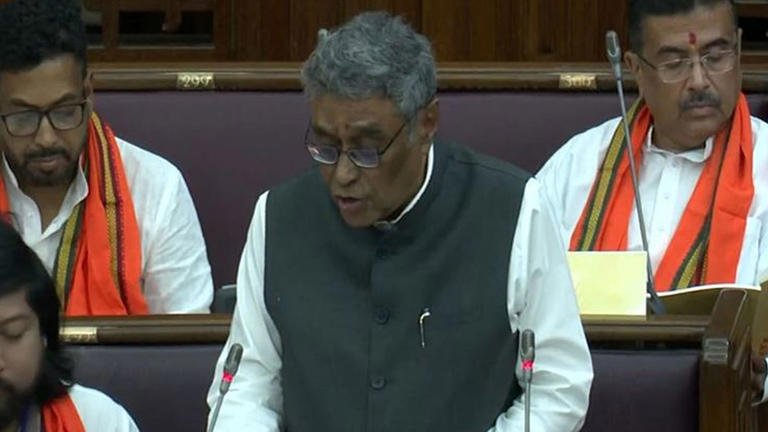
The West Bengal government has proposed a new financial assistance initiative aimed at supporting unmarried college-going girls, with a grant of Rs 50,000 being considered as part of efforts to encourage higher education and strengthen women’s empowerment. The proposal reflects the state’s continued focus on expanding educational opportunities for young women and addressing financial barriers that often prevent students from pursuing higher studies.
The initiative is expected to benefit thousands of female students across the state by providing financial support during a critical stage of their academic journey. Education experts and policymakers have welcomed the proposal, noting that financial assistance programs can play a significant role in improving enrollment, retention, and completion rates among female students.
Officials believe that the proposed grant can contribute to broader social objectives, including increasing access to higher education, promoting gender equality, and empowering women through education. The proposal has generated considerable interest among students, parents, educational institutions, and social organizations.
Focus on Promoting Higher Education
The proposed grant is designed to encourage young women to continue their education beyond the school level and pursue undergraduate studies. Financial constraints often pose significant challenges for students, particularly those from economically vulnerable families.
By providing direct financial assistance, the government aims to reduce some of these barriers and create an environment where more girls can focus on their academic goals without being burdened by economic concerns.
Officials emphasized that higher education plays a crucial role in shaping future opportunities, enhancing employability, and improving socio-economic outcomes. Supporting female students through targeted assistance is therefore viewed as an investment in human capital and long-term development.
Empowering Women Through Education
Education has long been recognized as one of the most effective tools for empowering women and promoting social progress. The proposed grant aligns with broader efforts to strengthen women’s participation in education, employment, and public life.
Officials noted that educated women are more likely to contribute to economic growth, make informed decisions, and participate actively in community development. Higher educational attainment is also associated with improved health outcomes, greater financial independence, and enhanced social mobility.
The proposal reflects a belief that investing in women’s education can generate benefits that extend beyond individual students to families, communities, and society as a whole.
Addressing Financial Challenges
One of the key objectives of the proposed scheme is to address the financial challenges that many families face when supporting their daughters’ higher education. Expenses related to tuition, books, transportation, accommodation, and other academic requirements can create obstacles for students seeking to continue their studies.
The proposed Rs 50,000 grant could help alleviate some of these costs and enable students to pursue educational opportunities that might otherwise be difficult to access. Officials believe that financial support can significantly improve educational continuity and reduce the risk of students discontinuing their studies.
By targeting economic barriers, the initiative seeks to create a more inclusive educational environment and ensure that financial circumstances do not limit academic aspirations.
Encouraging Educational Retention
Retention remains an important concern within the higher education sector. While many students successfully complete school education, a number face challenges in transitioning to or remaining in college due to economic pressures and other factors.
The proposed grant is expected to encourage students to remain enrolled and complete their degree programs. Policymakers have highlighted that sustained participation in higher education is essential for achieving positive educational and career outcomes.
Supporting students during their college years can help improve graduation rates and create a stronger foundation for future employment and professional development.
Strengthening Gender Equality
The proposal also reflects broader efforts to advance gender equality in education. Although significant progress has been made in improving educational access for girls, disparities continue to exist in some areas, particularly in relation to higher education participation.
Officials stated that targeted support measures can help address these disparities by ensuring that female students have access to the resources necessary to pursue their academic ambitions. Educational empowerment is widely regarded as a key component of gender equality and social justice.
The proposed grant is expected to contribute to creating more equitable opportunities for young women across the state.
Potential Impact on Rural and Marginalized Communities
The initiative may have particular significance for students from rural areas and marginalized communities, where economic challenges can be more pronounced. In such regions, financial assistance can play a decisive role in determining whether a student is able to continue higher education.
Officials believe that the proposed grant could encourage greater participation in college education among students who might otherwise face difficulties accessing academic opportunities. Increased educational attainment in these communities can contribute to broader social and economic development.
By extending support to deserving students, the government aims to ensure that opportunities for advancement are available to a wider segment of the population.
Complementing Existing Educational Initiatives
The proposed grant is expected to complement existing educational and welfare programs designed to support students and promote academic achievement. West Bengal has implemented various initiatives over the years aimed at improving educational access and reducing barriers for learners.
Officials indicated that the new proposal fits within a larger framework of policies focused on educational inclusion, youth development, and women’s empowerment. Such measures are intended to create a supportive ecosystem that encourages students to pursue higher studies and achieve their full potential.
The government continues to explore strategies that can strengthen educational outcomes and expand opportunities for future generations.
Broader Socio-Economic Benefits
Investments in education often generate long-term benefits that extend far beyond the classroom. Educated individuals are generally better positioned to secure employment, contribute to economic productivity, and participate in civic life.
The proposed grant could therefore have positive implications for workforce development and socio-economic progress. By supporting young women in their pursuit of higher education, the state aims to build a more skilled, knowledgeable, and empowered population.
Experts note that educational investments can help reduce inequalities, promote social mobility, and contribute to sustainable development over time.
Looking Ahead
The proposal to provide a Rs 50,000 grant for unmarried college-going girls represents a significant step toward strengthening educational opportunities and promoting women’s empowerment in West Bengal. By addressing financial barriers and encouraging higher education participation, the initiative seeks to create a more inclusive and supportive academic environment.
Officials remain optimistic that the proposal will help more young women pursue their educational aspirations and contribute meaningfully to society. The initiative reflects the state’s recognition of education as a powerful driver of personal growth, social progress, and economic development.
If implemented, the scheme could benefit thousands of students across the state and reinforce ongoing efforts to promote gender equality and educational inclusion. The proposal highlights the importance of investing in young women’s futures and underscores the transformative role that education can play in shaping a more equitable and prosperous society.
As discussions regarding the initiative continue, stakeholders across the education sector will be closely watching its progress and potential impact on students, families, and communities throughout West Bengal.