

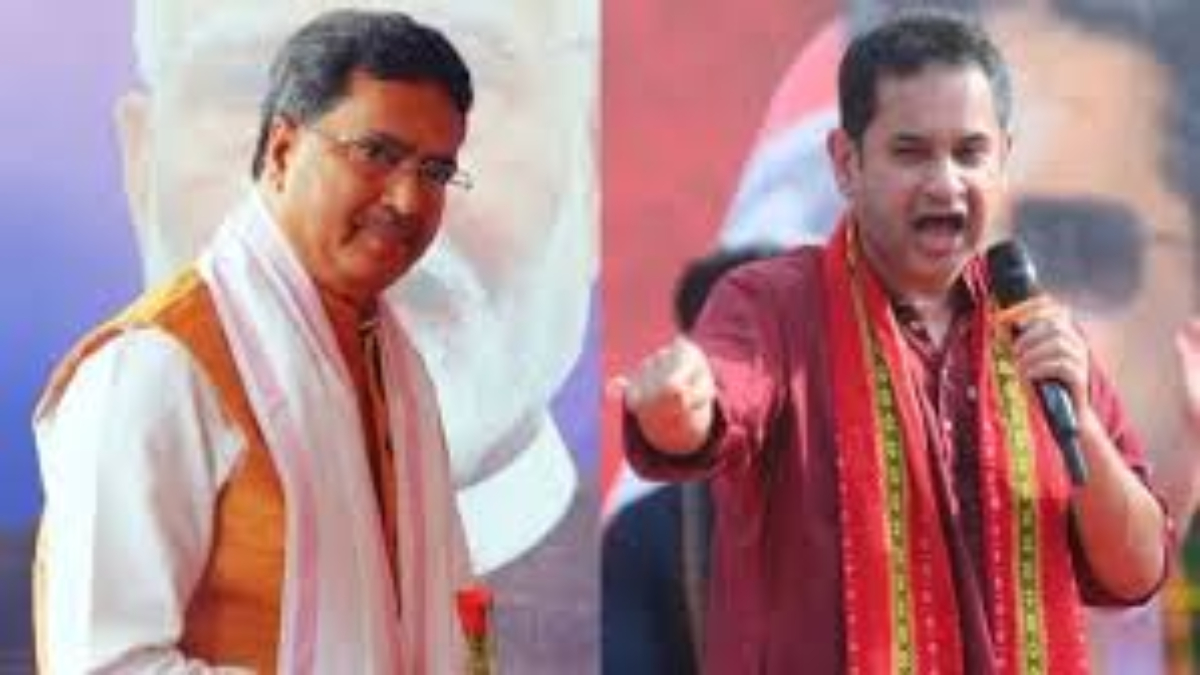
Tripura Village Council polls are emerging as a major political test in the state, with Chief Minister Manik Saha saying talks are underway on a possible electoral understanding between the ruling BJP and its ally Tipra Motha. The proposed alliance could shape the contest for grassroots bodies in the tribal areas, although the BJP has also made it clear that it is prepared to fight independently if an agreement is not reached.
Talks continue over Tripura Village Council polls
The possibility of an alliance comes ahead of elections to 587 Village Committees under the Tripura Tribal Areas Autonomous District Council (TTAADC). The Supreme Court has directed the Tripura State Election Commission to conduct the long-pending elections in a single phase on September 27, 2026.
Saha said discussions were taking place on whether the BJP and Tipra Motha would reach an electoral understanding. At the same time, he indicated that the BJP would not depend on an alliance to contest the polls.
The position reflects the importance of the tribal belt for both parties. While the BJP is the dominant force in the state government, Tipra Motha has a strong organisational and electoral base among indigenous communities and controls the TTAADC.
BJP keeps its options open
The latest signals mark a shift from the BJP’s earlier position. In April, Saha had said that the party would contest the Village Council elections on its own, arguing that the BJP needed to strengthen its organisation in the tribal areas.
However, by July, the chief minister said discussions on an understanding with Tipra Motha were underway. The BJP’s willingness to keep the alliance option open suggests that seat-sharing or coordinated contests could still be considered before the election process advances.
The two parties are already partners in the Tripura government, but their relationship has faced tensions at the grassroots level. Political friction between BJP and Tipra Motha supporters has been reported in tribal areas, highlighting the challenges involved in maintaining cooperation during an election campaign.
Why Tipra Motha matters in tribal areas
Tipra Motha’s influence makes it a significant factor in Tripura Village Council polls. The party, founded by Pradyot Kishore Manikya Debbarma, has built its political support around issues concerning indigenous communities and greater political and administrative rights for Tiprasa people.
The party also played an important role in pushing for the long-delayed Village Council elections. The previous Village Committee elections were held in 2016, while the terms of the committees ended in March 2021. The prolonged delay became a recurring political issue and eventually reached the courts.
In June 2026, the Supreme Court ordered elections to the 587 Village Committees for September 27. The ruling brought an end to years of uncertainty over the timing of the grassroots polls.
Long delay adds importance to the election
The forthcoming Tripura Village Council polls are important not only because of their political implications but also because the Village Committees are key institutions of grassroots administration in the TTAADC areas.
The TTAADC covers a substantial part of Tripura’s geographical area and is governed under the Sixth Schedule framework. The absence of elected Village Committees for years had raised concerns over local representation and the implementation of development activities.
Tipra Motha had repeatedly demanded that the elections be held without further delay. In 2023, the party approached the Tripura High Court over the continued postponement of the polls, citing the expiry of the Village Committees’ terms.
Alliance could reshape tribal politics
If the BJP and Tipra Motha reach an agreement, the arrangement could significantly alter the electoral landscape in the tribal areas. A coordinated contest could help the two parties avoid splitting votes and strengthen their combined position against rivals.
However, differences between the allies remain. The BJP has sought to expand its organisational presence in the tribal belt, while Tipra Motha continues to focus heavily on indigenous political demands. Their grassroots workers have also competed directly in several areas.
The question of an alliance, therefore, is likely to depend on negotiations over candidates, seats and campaign strategy. The BJP’s public readiness to contest alone gives it an alternative if talks fail.
The coming weeks are expected to bring greater clarity as parties prepare for the September election. For Tipra Motha, the polls offer an opportunity to consolidate its influence at the village level. For the BJP, they will test whether its organisational expansion can translate into stronger support in the TTAADC areas.
With the Supreme Court-set deadline approaching, the alliance discussions have added another important dimension to Tripura Village Council polls. Whether the BJP and Tipra Motha ultimately contest together or separately, the elections are set to be a crucial measure of political strength in Tripura’s tribal heartland.
Hornbill Festival Prep: Tourism Departments Begin Planning International Cultural Pavilions