

Sikkim glacial lakes have emerged as a major disaster-management concern after authorities identified 40 high-hazard lakes across the Himalayan state, including 16 placed in the highest-risk Category A. The assessment has renewed focus on the threat of Glacial Lake Outburst Floods (GLOFs), particularly after recent disasters in the wider Himalayan region and the devastating GLOF that struck Sikkim in October 2023.
The latest findings come as Sikkim strengthens scientific monitoring, early-warning systems and lake-specific mitigation plans. Officials have stressed that the identified lakes require continued assessment because the state’s difficult terrain, seismic vulnerability and changing glacial environment can complicate disaster preparedness.
16 Sikkim glacial lakes placed in highest-risk category
Of the 40 high-hazard lakes identified in Sikkim, 16 have been placed in Category A, the highest-risk classification. Two are in Category B, nine in Category C, while 13 remain unclassified. The classification is based on factors associated with the possibility and consequences of a sudden lake outburst.
The National Disaster Management Authority has identified 189 high-vulnerability glacial lakes across the Indian Himalayas, meaning Sikkim accounts for a significant share of the country’s high-hazard sites. Many of the most vulnerable lakes are located at elevations above 17,000 feet, where access for field studies and emergency interventions remains difficult.
A recent assessment by Sikkim’s Department of Science and Technology has also focused on detailed field investigations. A multidisciplinary expedition conducted from July 23 to August 8 collected bathymetric, geological, geophysical, hydrological, geomorphological and meteorological data from selected high-risk lakes in Mangan district.
Shako Chho emerges as key concern
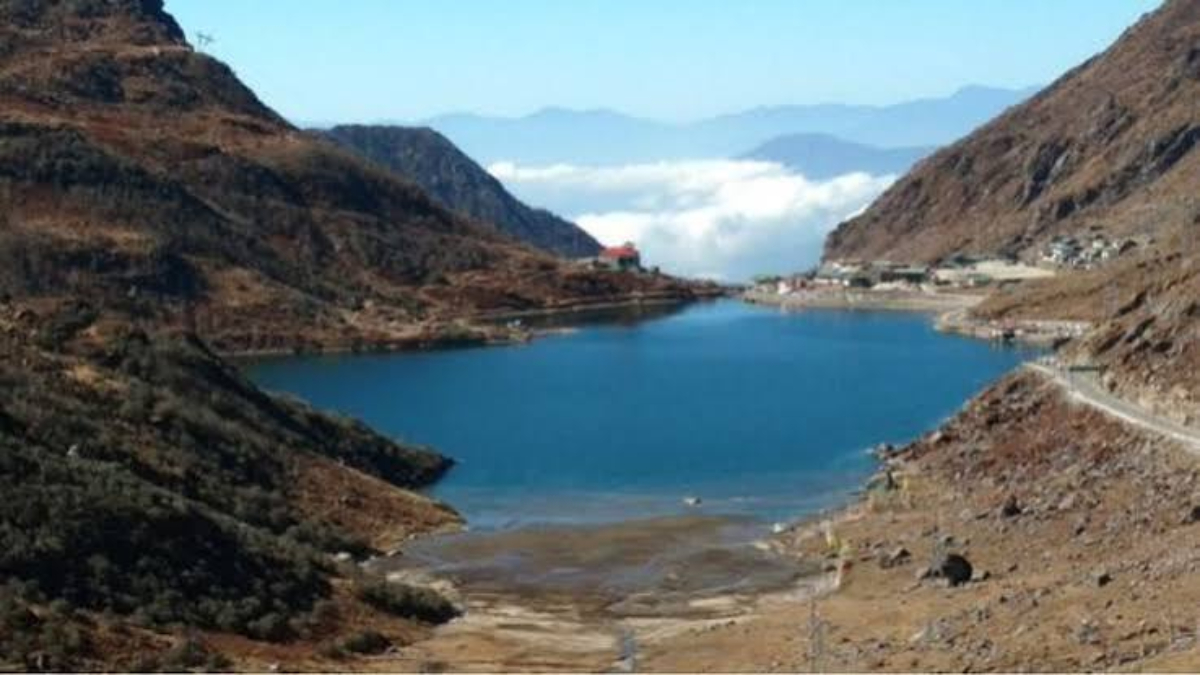
Among the Sikkim glacial lakes under scrutiny, Shako Chho has emerged as the state’s most vulnerable site. Located above Thangu in North Sikkim, the lake contains around 27 million cubic metres of water and is considered particularly concerning because it has no natural outlet and is held back by a potentially fragile terminal moraine.
The state government has proposed a solar-powered pumping system to lower the lake’s water level by around 20 metres over two to three years. A Detailed Project Report has been submitted to the Sikkim State Disaster Management Authority and forwarded to the National Disaster Management Authority for consideration.
Other major areas receiving attention include the Lhonak Complex and Gurudongmar Complex. At Lhonak, the Central Water Commission and the state government are preparing a proposal for a flood-retention structure near Dolma Sampa at Muguthang. For the Gurudongmar Complex, authorities have proposed a moraine plug wall at the lake outlet.
Lessons from the 2023 Sikkim GLOF
The concern surrounding Sikkim glacial lakes is rooted partly in the state’s recent experience. In October 2023, a GLOF originating from South Lhonak Lake caused devastating flooding along the Teesta River. The disaster killed around 60 people and damaged roads, bridges, hydropower facilities and other infrastructure across Sikkim and downstream areas.
That event demonstrated how a hazard originating in remote, high-altitude terrain can rapidly affect communities and critical infrastructure far downstream. It also prompted the formation of the Sikkim Commission on Glacier Hazard, whose report is now at the final stage, according to state officials.
Monitoring and early-warning systems expanded
Authorities are increasingly using satellite imagery, remote sensing and ground-based observations to monitor changes in vulnerable lakes. Monitoring and automatic weather systems are being installed at locations including Kerang near Gurudongmar Lake, Shako Chho and Lhonak Lakes.
Sikkim is also working towards a dedicated GLOF Risk Mitigation Protocol intended to standardise risk assessment, preparedness and response. Lake-specific strategies are being preferred over a single approach because the physical characteristics and downstream risks differ from one lake system to another.
The urgency has increased amid wider Himalayan concerns. A glacial collapse near the Nepal-Tibet border on August 26 triggered a deadly flash flood in Nepal, highlighting the growing vulnerability of high-mountain regions to climate-related and geological hazards. Officials have, however, said the risk profile of Sikkim’s identified lakes should not automatically be equated with that disaster.
Sikkim has 84 glaciers covering more than one square kilometre each, underscoring the importance of sustained scientific monitoring. With 40 high-hazard sites now identified, authorities face the challenge of converting risk assessments into timely mitigation, reliable warnings and stronger downstream preparedness.