

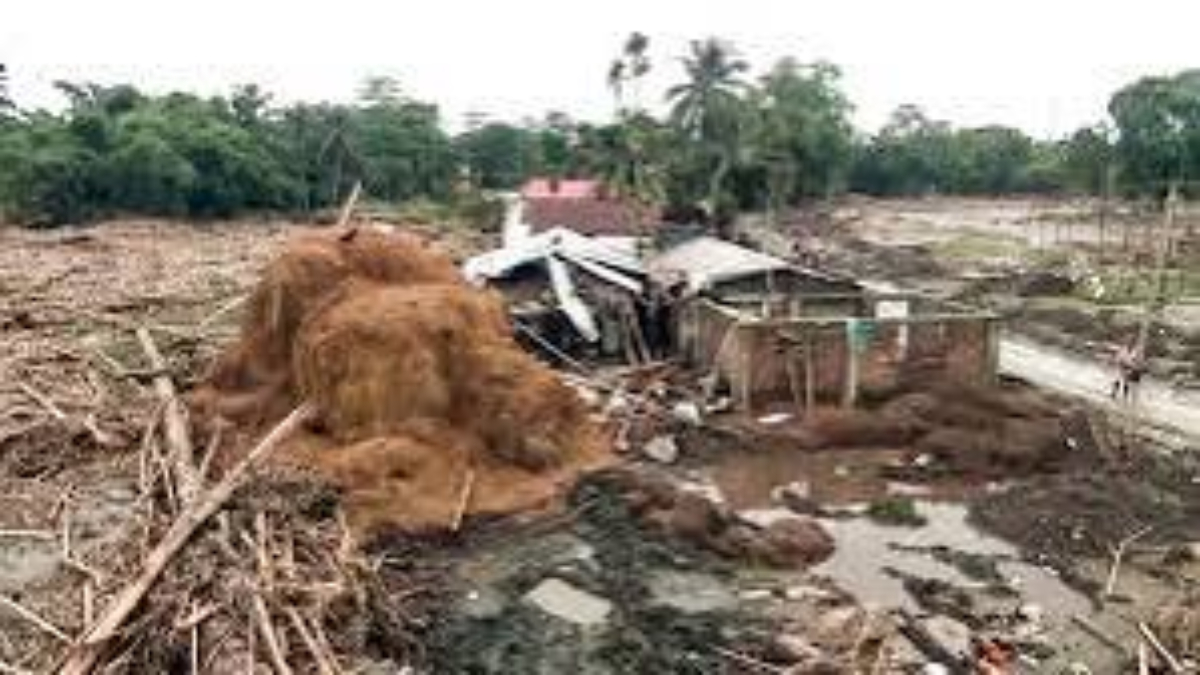
Assam flood toll has risen to 104 after one more person died in the ongoing deluge, while more than 78,000 people remain affected across seven districts, according to the latest flood situation reported on August 14. The latest figures underline the continuing impact of the monsoon crisis even as the number of people affected has fallen sharply from the much higher levels recorded during the peak of the flooding.
The Assam State Disaster Management Authority (ASDMA) remains the key agency monitoring the situation and coordinating disaster response. The state government maintains a daily flood reporting system to track casualties, affected populations and damage across Assam.
Assam flood toll rises as one more death reported
The latest fatality has pushed the Assam flood toll to 104 this year. The continuing loss of life highlights the risks that remain even after floodwaters have started receding in several areas.
The current wave of flooding has affected more than 78,000 people across seven districts. More than 5,000 people have also been displaced and are staying in relief camps, where government agencies are providing shelter and essential assistance.
The reduction in the affected population compared with earlier stages of the crisis offers some relief, but authorities continue to monitor vulnerable areas. Flood conditions can change quickly in Assam because of rainfall, river levels and water flowing downstream from neighbouring regions.
Seven districts continue to face flood impact
The latest situation has been reported across seven districts, with residents continuing to deal with inundation, displacement and disruption to normal life. The effects extend beyond immediate flooding, with damage to homes, roads, agricultural land and other infrastructure adding to the burden on affected communities.
Earlier in the flood season, the scale of the crisis was considerably larger. On July 22, more than 5.64 lakh people were affected, while 872 villages were under water and more than 24,000 hectares of crop area had been damaged. Rescue teams from the Army, National Disaster Response Force, State Disaster Response Force, police and other agencies had rescued thousands of people at the height of the emergency.
By late July, the number of affected people had declined, although the death toll continued to rise. On July 28, ASDMA reported 75 deaths and 3.32 lakh people affected across seven districts.
Relief operations remain critical
With thousands of residents still displaced, relief operations remain an important priority. People in affected areas require food, drinking water, medical assistance, sanitation facilities and safe shelter until conditions improve enough for them to return home.
The state has also been assessing damage to infrastructure and private property. Such assessments are important for determining compensation and planning rehabilitation after the immediate flood emergency ends.
The Assam government has estimated that more than ₹1,000 crore could be required for repairs and rehabilitation following the extensive damage caused by the floods. The proposed expenditure reflects the scale of the recovery challenge facing the state after the waters recede.
Long-term flood risks remain for Assam
The latest Assam flood toll also comes against the backdrop of the state’s long-standing vulnerability to flooding and riverbank erosion. Government data shows that about 39.58% of Assam’s geographical area is considered flood-prone, while the state has an average annual flood-affected area of about 9.31 lakh hectares.
The Water Resources Department has implemented embankments, flood walls, anti-erosion works, drainage schemes and flood forecasting measures. However, the government itself notes that Assam continues to require stronger long-term solutions to address recurring floods and erosion.
The Brahmaputra and its tributaries are central to the state’s flood dynamics. Assam’s river system, combined with heavy monsoon rainfall and erosion, makes disaster preparedness and early warning systems particularly important for vulnerable communities.
As the immediate situation improves in some parts of Assam, the focus is expected to shift increasingly towards rehabilitation, infrastructure repairs and restoring livelihoods. However, the latest death serves as a reminder that the emergency is not yet over. With more than 78,000 people still affected, sustained relief efforts and close monitoring will remain essential until floodwaters fully recede and displaced families can safely return home.
Nathu La Trade Resumes: India-China Border Trade Through Sikkim Pass Restarts After Six-Year Hiatus