

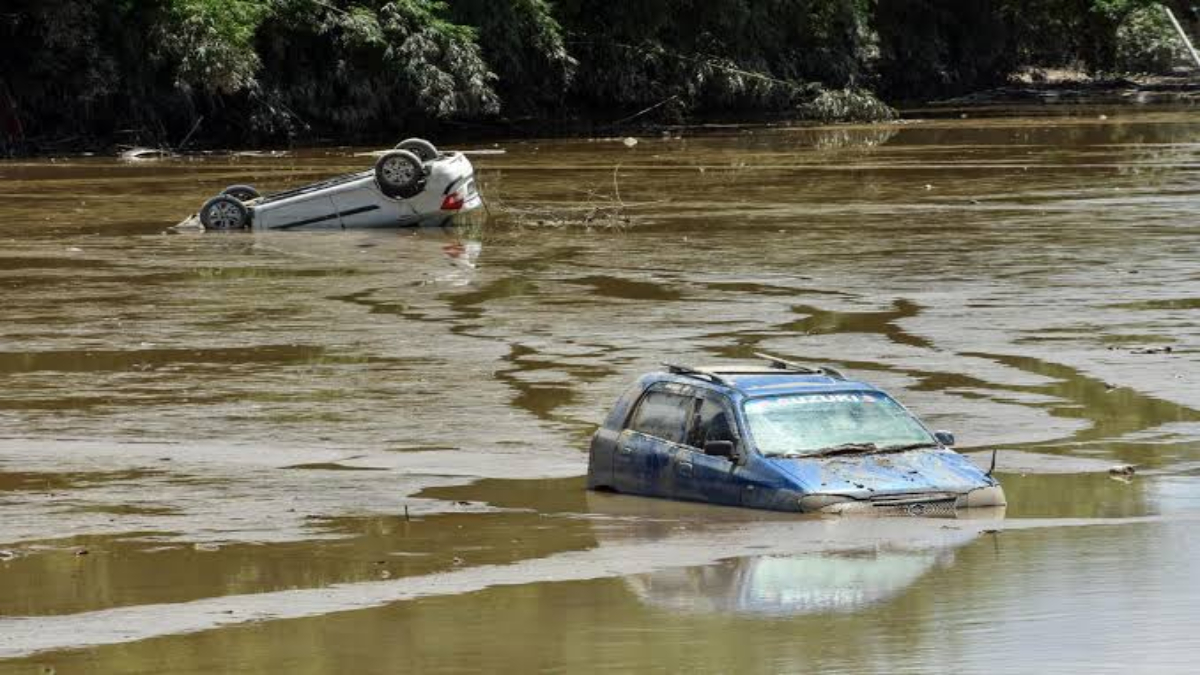
Sivasagar flood crisis continues to disrupt daily life in Assam, with more than 60,000 people still affected even as floodwaters gradually recede across parts of the state. Thousands of families remain displaced, living in relief camps or temporary shelters after heavy rainfall and overflowing rivers inundated villages, damaged homes, and destroyed farmland. Authorities are continuing relief and rehabilitation efforts, but many residents face an uncertain path to recovery.
Scale of the disaster remains severe
The latest official updates show that over 60,000 people in Sivasagar district are still suffering from the impact of the floods. While water levels have fallen in several locations compared to previous weeks, many villages remain waterlogged, preventing families from returning home safely.
Sivasagar has been among the worst-hit districts during this year’s Assam floods. Continuous rainfall and rising river levels submerged hundreds of villages, forcing large-scale evacuations. Rescue teams, district officials, and disaster response personnel have been working to provide food, drinking water, medical care, and temporary shelter to displaced residents.
Sivasagar flood crisis leaves families displaced
Although the overall flood situation in Assam has shown signs of improvement, thousands of families in Sivasagar are still unable to resume normal life. Many houses remain damaged or filled with mud and debris after floodwaters receded.
Several relief camps continue to accommodate displaced residents, while local authorities are distributing essential supplies, including rice, drinking water, medicines, and hygiene kits. Officials have also been monitoring vulnerable embankments and roads damaged during the floods.
For many families, the immediate concern is rebuilding homes and restoring livelihoods that were lost when floodwaters swept through villages.
Agriculture suffers major setback
The floods have dealt a significant blow to agriculture in Sivasagar and neighbouring districts. Large stretches of cropland remain damaged after being submerged for several days, affecting farmers who depend on seasonal cultivation for their income.
Livestock losses have also added to the economic burden on rural households. Agricultural officials are assessing crop damage while the state government prepares rehabilitation measures aimed at helping affected farmers recover in the coming months.
Relief operations continue across affected areas
The Assam State Disaster Management Authority (ASDMA), district administration, National Disaster Response Force (NDRF), State Disaster Response Force (SDRF), and local volunteers continue relief operations in flood-affected regions.
Boats remain deployed in vulnerable locations wherever water has not fully receded. Medical teams are conducting health camps to prevent outbreaks of water-borne diseases, while veterinary services are also assisting affected livestock owners.
Authorities have appealed to residents to remain cautious as unstable embankments, damaged roads, and contaminated water continue to pose risks in several localities.
Recovery remains a long-term challenge
Even though the number of flood-affected people has reduced significantly compared to the peak of the disaster, the recovery process is expected to take months. Infrastructure, including roads, bridges, schools, and public utilities, has suffered extensive damage across Upper Assam.
Officials are carrying out damage assessments while planning rehabilitation packages for affected families. Restoring electricity, drinking water supply, transportation, and educational services remains a priority for the administration.
Experts have also stressed the need for long-term flood mitigation measures, including strengthening embankments, improving drainage systems, and better river management to reduce the impact of recurring floods in Assam.
Statewide flood situation improves gradually
Across Assam, the flood situation has improved compared to previous weeks as water levels have receded in many districts. However, thousands of people continue to require humanitarian assistance, particularly in Upper Assam.
Government agencies remain focused on restoring normalcy through relief distribution, rehabilitation programmes, and infrastructure repairs. The administration has assured affected communities that assistance will continue until displaced families can safely return home.
The continuing Sivasagar flood crisis highlights the devastating impact seasonal floods can have on communities across Assam. While rescue efforts have prevented a greater humanitarian disaster, thousands of residents still face the difficult task of rebuilding their homes, livelihoods, and future. Sustained government support, improved disaster preparedness, and long-term flood management will be essential to help Sivasagar recover and strengthen resilience against future floods.