

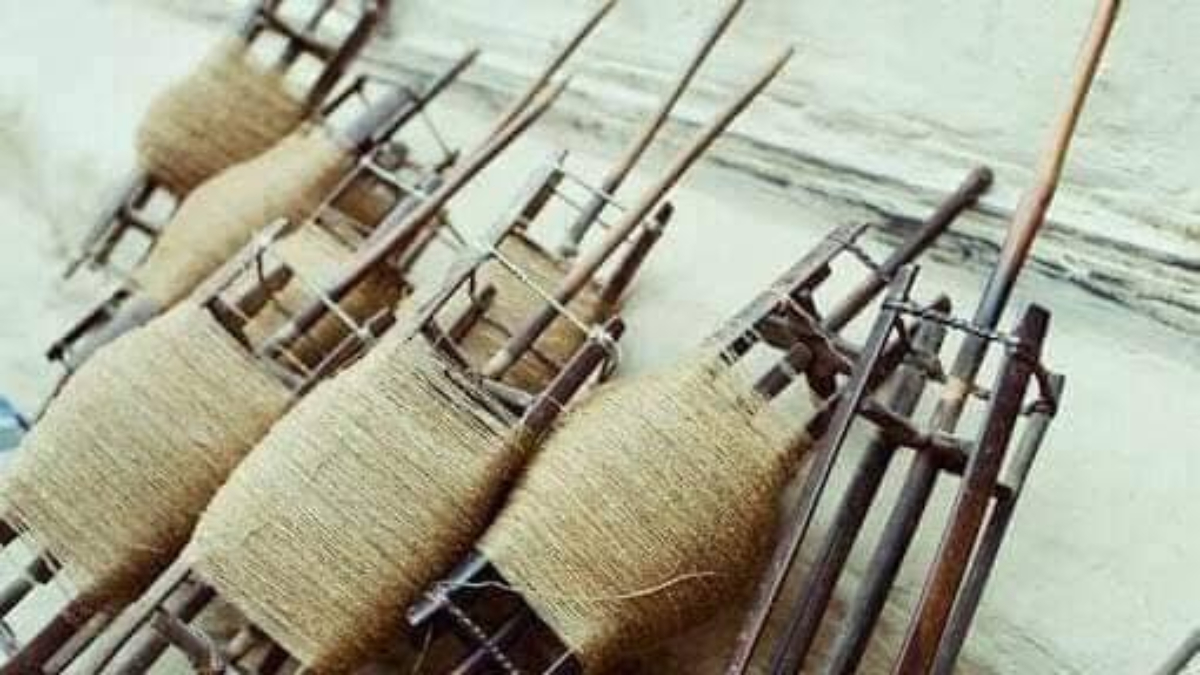
Bodoland Silk is emerging as a promising textile brand from Assam, with growing demand for its traditional Eri and handloom products. Assam Minister Biswajit Daimary has said the government will explore opportunities in the export market to expand the reach of silk produced in the Bodoland Territorial Region (BTR).
The proposed export push comes as the region strengthens its sericulture infrastructure, improves production capacity and works to create better market links for rearers, weavers and artisans. The move could give the traditional silk sector a wider commercial platform while supporting rural livelihoods.
Bodoland Silk gains attention beyond local markets
The Bodoland Silk brand was launched to promote silk products from the region and strengthen their marketing. Government data shows that sericulture is already an important livelihood activity in the BTR. An Assam government report says about 59,510 farmers are engaged in sericulture across 1,673 villages in the region.
The BTR also contributes significantly to Assam’s Eri silk production. According to the state government, the region produces about 771 metric tonnes of Eri silk, accounting for 24.53 per cent of Assam’s total silk production.
Eri silk, also known as peaceful or Ahimsa silk, has distinctive qualities that can support its positioning in premium textile markets. The Handloom Export Promotion Council describes Bodo Eri as a durable fibre with cooling properties in summer and warmth in winter. The red cocoon associated with Eri production is particularly linked to Kokrajhar and Chirang.
Government looks towards export opportunities
Daimary’s proposal to explore overseas markets reflects the growing focus on taking Assam’s traditional textiles beyond domestic buyers. An export strategy could help producers access international customers who are increasingly interested in handmade, sustainable and culturally distinctive textiles.
The move would also build on earlier efforts to connect Bodoland’s handloom sector with international markets. The Handloom Export Promotion Council had previously worked with BRAWFED and other stakeholders in Assam on export-oriented production and market linkages. Discussions included developing spun Eri yarn and value-added handloom products specifically for export markets.
For Bodoland, expanding exports could create demand not only for finished garments but also for yarn, shawls, sarees, home furnishings and other handloom products.
Infrastructure strengthens Bodoland Silk
Recent developments in the region indicate that the silk sector is moving towards greater industrial capacity. The government has supported initiatives aimed at improving spinning, weaving, training and market access.
A recent government tender also sought operation and maintenance services for an Eri spun silk mill in Kokrajhar, highlighting continuing efforts to strengthen processing infrastructure in the region.
The Bodoland Silk Park at Adabari, Kokrajhar, is also listed as a training and production-linked facility under the Ministry of Textiles’ Samarth programme. The ministry’s public dashboard records training activity at several textile and handloom centres in Kokrajhar.
These facilities could become important as the government seeks to increase production while maintaining quality standards needed for competitive markets.
Focus on Eri silk livelihoods
The expansion of the silk economy is also closely linked to rural employment and women’s livelihoods. In February 2026, NTPC Bongaigaon supported a sales-cum-display counter for Eri silk and handloom products at Mothambil Forest Village near Raimona National Park.
The project includes Kesseru plantations, rearing houses, spinning machines, improved looms and quality Eri yarn. The facility is managed by women beneficiaries and is designed to provide direct market access to local artisans.
Such initiatives can reduce dependence on intermediaries and help producers receive better returns from their products.
Challenges remain before global expansion
While export markets offer opportunities, the sector will need consistent quality, adequate production, reliable supply chains and stronger branding. Producers will also require support with packaging, certification, pricing, logistics and international marketing.
Maintaining a steady supply of cocoons and yarn will be equally important. Earlier assessments of Bodoland’s silk sector have pointed to the need for fair procurement, working capital and stronger connections between women-led producer groups, mills and buyers.
For Bodoland Silk, therefore, the next stage is not simply about increasing production. It is about building a complete value chain that can meet the expectations of international buyers.
The government’s plan to explore exports could give Bodoland’s traditional silk industry a significant new opportunity. With its established sericulture base, distinctive Eri products and expanding infrastructure, the region has the potential to strengthen its position in India’s textile economy. If market access and production challenges are addressed, the export push could bring greater income to farmers, weavers and artisans while taking Bodoland’s silk heritage to customers beyond India.
Tripura Village Council Polls May See Key BJP-Tipra Motha Alliance