

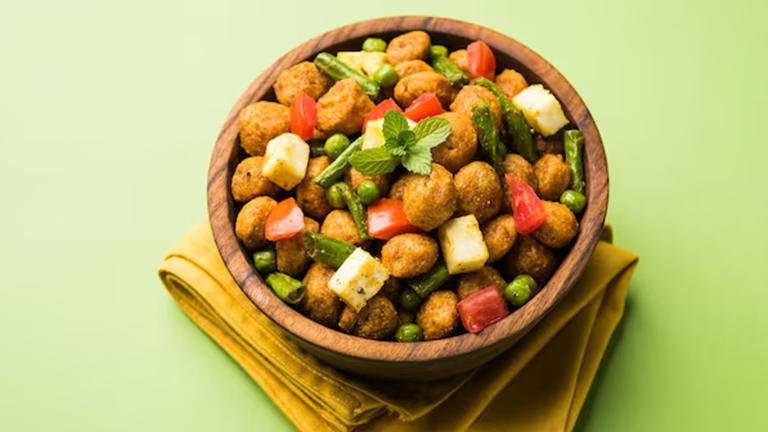
Protein plays a vital role in building muscles, repairing tissues, and supporting overall health. While many people associate protein with meat, vegetarian diets can also provide excellent protein sources. In fact, several plant-based foods offer impressive protein content per 100 grams.
If you are vegetarian or trying to reduce meat intake, knowing these foods can help you meet your nutritional needs effectively.
Soybeans are one of the richest sources of plant-based protein. They contain around 36–40 grams of protein per 100 grams.
Read More: EC Issues Fresh Post-Poll Guidelines for Bengal Assembly Elections
They are also packed with essential amino acids, making them a complete protein source. Additionally, soybeans provide fiber, vitamins, and minerals.
You can include them in your diet as soy chunks, tofu, or soy milk.
Lentils are a staple in Indian households and offer about 24–26 grams of protein per 100 grams.
They are easy to cook and highly versatile. Moreover, lentils are rich in iron and fiber, which support digestion and energy levels.
Regular consumption of dal can significantly contribute to your daily protein intake.
Chickpeas contain around 19 grams of protein per 100 grams. They are widely used in dishes like chana masala and hummus.
They also provide complex carbohydrates and fiber, keeping you full for longer.
Roasted chana is a great high-protein snack option.
Paneer, or cottage cheese, is a popular dairy-based protein source with about 18–21 grams of protein per 100 grams.
It is rich in calcium and healthy fats. Moreover, paneer is easy to incorporate into meals like curries, salads, and snacks.
It is especially beneficial for muscle building and bone health.
5. Peanuts
Peanuts offer around 25–26 grams of protein per 100 grams. They are also rich in healthy fats and antioxidants.
They can be consumed as snacks, added to dishes, or used as peanut butter.
However, moderation is important due to their high calorie content.
6. Almonds
Almonds contain approximately 21 grams of protein per 100 grams. They are also rich in vitamin E and healthy fats.
Eating a handful of almonds daily can boost your protein intake and support heart health.
They are convenient and require no preparation.
Tofu, made from soy milk, provides around 8–15 grams of protein per 100 grams, depending on its type.
It is a versatile ingredient that absorbs flavors easily. Therefore, it works well in both Indian and international dishes.
Tofu is also low in calories, making it ideal for weight management.
Quinoa is a complete protein source with about 14 grams of protein per 100 grams.
It contains all nine essential amino acids. Additionally, quinoa is gluten-free and rich in fiber.
It can be used as a substitute for rice or added to salads and bowls.
9. Oats
Oats provide around 13 grams of protein per 100 grams. They are also rich in fiber, which aids digestion.
They are commonly consumed as breakfast but can also be used in snacks and baking.
Oats help maintain energy levels throughout the day.
10. Green Peas
Green peas contain about 5–6 grams of protein per 100 grams. While lower than others on this list, they still contribute to daily intake.
They are also rich in vitamins and antioxidants.
Peas can be added to a variety of dishes, making them an easy addition to meals.
Why Protein Matters in a Vegetarian Diet
Protein is essential for muscle repair, immune function, and overall health. Vegetarians must ensure they consume a variety of protein sources to meet their needs.
Combining different foods can help provide all essential amino acids. For example, pairing lentils with rice creates a balanced protein profile.
Therefore, a well-planned vegetarian diet can be just as effective as a non-vegetarian one.
Tips to Increase Protein Intake
To boost protein intake, include a protein source in every meal. Snack on nuts and seeds instead of processed foods.
You can also experiment with recipes that combine multiple high-protein ingredients. This not only improves nutrition but also enhances taste.
Additionally, staying consistent with your diet is key to achieving long-term health benefits.
Conclusion
High protein vegetarian foods are widely available and easy to include in your diet. From soybeans and lentils to nuts and dairy, these foods provide essential nutrients for a healthy lifestyle.
By making informed choices and maintaining balance, you can meet your protein needs without relying on meat. Ultimately, a vegetarian diet can be both nutritious and satisfying.
Read More: Tribal Council Poll Result Not Worrisome for BJP: Manik Saha