

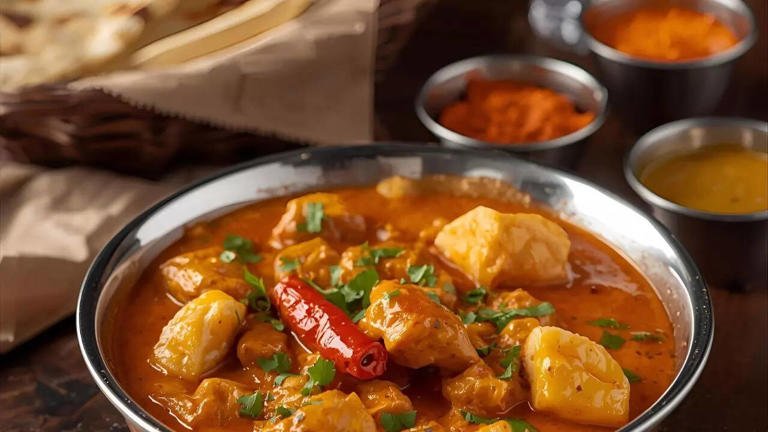
Indian cuisine is rich, diverse, and deeply rooted in tradition. Many foods are considered healthy because they are homemade or culturally accepted. However, not everything that looks nutritious actually benefits your body. In fact, some commonly consumed Indian foods can harm your health when eaten frequently or in excess.
Understanding these hidden pitfalls is important. It helps you make better dietary choices without completely giving up your favorite meals.
Read More: EC Issues Fresh Post-Poll Guidelines for Bengal Assembly Elections
1. Fruit Juices (Packaged and Even Fresh)
Fruit juice often gets labeled as a healthy option. After all, it comes from fruits. However, the reality is different.
When fruits are turned into juice, they lose most of their fiber. What remains is a concentrated form of sugar. This can spike blood sugar levels quickly. Packaged juices are even worse because they contain added sugar and preservatives.
Even freshly squeezed juice can be harmful if consumed daily. Drinking juice does not provide the same satiety as eating whole fruits. As a result, you may end up consuming more calories than needed.
Instead, eat whole fruits. They provide fiber, vitamins, and a slower release of natural sugars.
2. Brown Bread
Brown bread is widely considered a healthier alternative to white bread. However, not all brown bread is truly healthy.
Many commercially available brown breads are made using refined flour with added color or caramel to give a brown appearance. Therefore, they offer little nutritional advantage over white bread.
Additionally, these breads often contain preservatives and additives. Regular consumption may contribute to weight gain and poor digestion.
Always check labels carefully. Choose whole grain or multigrain bread with high fiber content instead of processed brown bread.
3. Low-Fat or Diet Snacks
Low-fat snacks have become popular among health-conscious individuals. However, removing fat from food often leads manufacturers to add sugar, salt, or artificial ingredients to maintain taste.
As a result, these snacks may not be as healthy as they claim. They can still contribute to weight gain and metabolic issues.
Moreover, fats are essential for the body. They support brain function and help absorb vitamins. Completely avoiding fats can be harmful.
Instead of relying on packaged diet snacks, choose natural options like nuts, seeds, or homemade snacks in moderation.
4. Breakfast Cereals
Breakfast cereals are often marketed as a healthy start to the day. However, many popular cereals are highly processed and loaded with sugar.
Even those labeled as “healthy” or “high-fiber” may contain hidden sugars and artificial flavors. Eating such cereals regularly can lead to increased calorie intake and sugar spikes.
Additionally, they may not keep you full for long. This can lead to overeating later in the day.
A better option is a traditional Indian breakfast. Dishes like poha, upma, or oats prepared at home offer better nutrition and satiety.
5. Vegetable Oils (Refined)
Vegetable oils like sunflower, soybean, and corn oil are commonly used in Indian cooking. They are often promoted as heart-healthy.
However, highly refined oils undergo intense processing. This process strips away nutrients and may introduce harmful compounds.
Moreover, excessive consumption of these oils can increase inflammation in the body. This may lead to long-term health issues such as heart disease.
Switch to healthier alternatives like cold-pressed oils, mustard oil, or ghee in controlled quantities. Balance is key rather than complete elimination.
6. Restaurant Salads
Salads are generally considered one of the healthiest food choices. However, restaurant salads can be misleading.
Many salads come loaded with creamy dressings, fried toppings, and excessive salt. These additions significantly increase calorie content.
As a result, what seems like a light meal can become unhealthy. Additionally, portion sizes in restaurants are often large, leading to overeating.
If you enjoy salads, prepare them at home. Use fresh vegetables, minimal dressing, and natural ingredients. This way, you control what goes into your meal.
Why These Foods Can Be Harmful
These foods are not inherently bad. The problem lies in how they are processed, prepared, or consumed.
Modern lifestyles have increased reliance on convenience foods. Marketing also plays a role in shaping perceptions. Words like “healthy,” “diet,” or “natural” can be misleading.
Therefore, it is essential to look beyond labels. Understanding ingredients and preparation methods helps you make informed decisions.
How to Make Healthier Choices
Making better food choices does not mean giving up everything you enjoy. Instead, focus on balance and awareness.
Choose whole foods over processed ones whenever possible. Cook at home to control ingredients. Read labels carefully before buying packaged items.
Also, pay attention to portion sizes. Even healthy foods can cause problems if consumed excessively.
Most importantly, listen to your body. Everyone’s nutritional needs are different. What works for one person may not work for another.
Conclusion
Many foods that seem healthy can actually harm your body when consumed regularly. From fruit juices to refined oils, these items can affect your health in subtle ways.
However, awareness is the first step toward change. By making small adjustments and choosing smarter alternatives, you can improve your overall well-being.
A healthy diet is not about strict restrictions. It is about making informed, balanced choices that support your long-term health.
Read More: Opposition Insulted Women: Tripura CM on Stalled Reservation Bill