

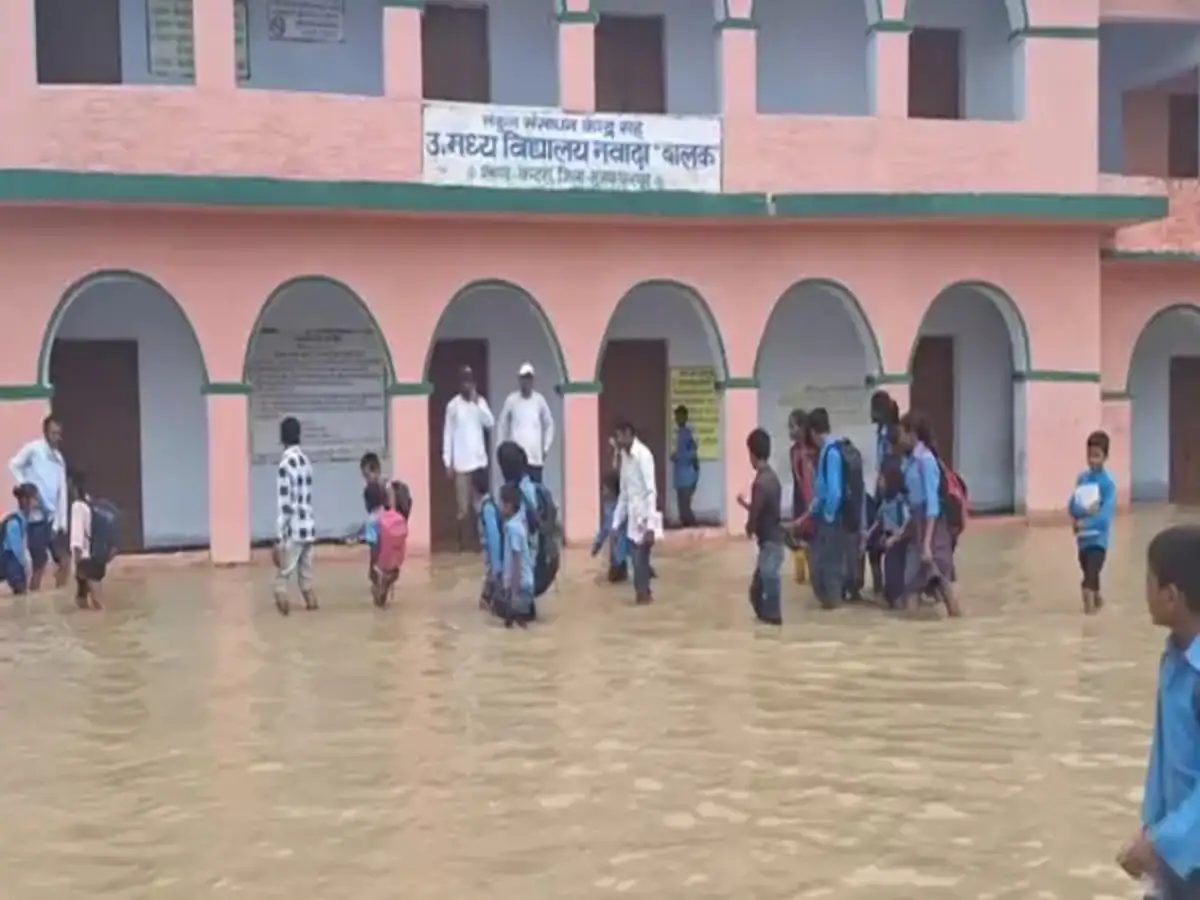
The Academic Calendar Shift has emerged as education boards consider extending the summer break for schools affected by submerged buildings. The proposal comes as waterlogging and flooding disrupt access to school premises and create challenges for the safe resumption of regular classes.
Extending the break could give authorities additional time to assess affected buildings and restore safe learning environments. Moreover, delaying reopening can help protect students, teachers, and school staff when classrooms remain inaccessible because of floodwater.
The situation highlights the wider impact of extreme weather on education infrastructure. However, the available information does not specify which education boards are considering the change, how many schools face disruption, or whether authorities have announced a revised reopening date.
Assam Flood Situation Shows Strong Recovery as Impact Eases
Academic Calendar Shift Responds to Submerged Schools
The proposed Academic Calendar Shift focuses on schools whose buildings remain submerged or inaccessible.
Floodwater can prevent students and teachers from safely entering classrooms while also affecting furniture, electrical systems, teaching materials, and sanitation facilities. Furthermore, prolonged waterlogging can delay cleaning and inspection work after water levels decline.
An extended break could therefore provide authorities with additional time to restore affected schools.
However, the available information does not identify the specific schools or districts facing the greatest disruption.
Academic Calendar Shift Prioritizes Student Safety
The Academic Calendar Shift also places student safety at the centre of the decision.
Schools need suitable classrooms, safe access routes, drinking water, sanitation, and basic facilities before they can resume normal operations. Additionally, authorities may need to inspect buildings for structural or electrical risks after prolonged exposure to water.
Waiting until schools meet basic safety requirements can reduce potential risks during reopening.
However, the available information does not specify the safety criteria that education authorities will use before allowing affected schools to reopen.
Academic Calendar Shift Could Affect Learning Schedules
The Academic Calendar Shift could influence the academic schedule if authorities extend the summer break.
A longer closure may reduce classroom teaching time and require schools to adjust later activities. Moreover, boards and school administrations may need to review examination schedules, assignments, practical activities, and other academic requirements.
Authorities could consider these factors when deciding how to manage the remaining academic calendar.
However, no revised examination or teaching schedule has been announced in the information available.
Academic Calendar Shift Highlights Flood Impact on Education
The Academic Calendar Shift reflects how flooding can disrupt essential public services.
Schools depend on functioning buildings and accessible roads, both of which can suffer during periods of heavy rainfall and water accumulation. Furthermore, teachers and students may face transportation difficulties even after school buildings become accessible.
Education authorities therefore need to consider conditions around schools as well as the buildings themselves.
However, the available information does not provide details about transportation disruptions affecting students or teachers.
Academic Calendar Shift May Allow School Restoration
The Academic Calendar Shift could give authorities more time to restore damaged or submerged school facilities.
Cleaning, drying, sanitation, electrical inspections, and repairs may become necessary after floodwater recedes. Additionally, schools may need to replace damaged educational materials and furniture before classes resume.
A longer break could provide a practical window for these activities.
However, the available information does not specify the extent of damage to school infrastructure.
Academic Calendar Shift Could Require Alternative Learning
The Academic Calendar Shift may encourage schools to consider alternative learning arrangements during prolonged closures.
Depending on local conditions, schools may use available educational resources to help students continue learning outside classrooms. Moreover, teachers may need to prioritize essential academic content if disruptions continue.
However, access to digital learning can vary considerably among students, particularly in areas affected by connectivity and infrastructure problems.
The available information does not confirm whether authorities have introduced an alternative-learning programme.
Academic Calendar Shift Raises Concerns About Learning Loss
The Academic Calendar Shift could create concerns about lost classroom time if schools remain closed for an extended period.
Students may require additional academic support when regular classes resume. Furthermore, teachers could need to adjust lesson plans to cover essential material within the remaining academic year.
Education authorities may therefore need to balance safety requirements with academic continuity.
However, the available information does not provide an estimate of the number of instructional days that students could lose.
Academic Calendar Shift Requires Coordination
The Academic Calendar Shift will require coordination between education authorities, school administrations, local officials, and affected communities.
Officials may need regular information about water levels, road conditions, building safety, and the availability of essential facilities. Additionally, schools can communicate local conditions to education authorities before reopening decisions take effect.
Such coordination can help authorities make decisions based on conditions at individual schools.
However, the available information does not identify the specific agencies participating in the decision-making process.
Academic Calendar Shift Could Influence Reopening Plans
The Academic Calendar Shift could lead authorities to announce revised reopening dates for affected schools.
Officials may assess each school’s condition before deciding whether students can return. Moreover, authorities could adopt different reopening timelines depending on the severity of flooding in individual locations.
This approach could allow schools that recover earlier to resume operations while protecting students in areas that remain affected.
However, the available information does not confirm whether authorities will use a uniform or school-specific reopening schedule.
Academic Calendar Shift Keeps Recovery in Focus
The Academic Calendar Shift highlights the need to combine education continuity with disaster recovery.
Schools affected by flooding require both immediate safety measures and longer-term improvements to infrastructure resilience. Furthermore, better drainage, elevated facilities, improved access roads, and disaster-preparedness plans could reduce future disruptions.
These measures can help education systems respond more effectively to extreme weather.
However, no specific infrastructure programme has been announced as part of the current calendar review.
Conclusion
The Academic Calendar Shift is under consideration as education boards assess whether to extend the summer break for schools affected by submerged buildings. The potential change aims to give authorities more time to restore safe access and ensure that schools meet necessary conditions before students return.
Moreover, an extended break could support cleaning, repairs, safety inspections, and flood recovery. However, it could also affect instructional schedules and require adjustments to academic plans if closures continue.
Overall, the Academic Calendar Shift reflects the need to balance student safety with educational continuity during flood-related disruptions. Clear reopening criteria, timely communication, school restoration, and academic support will remain important as authorities assess the situation.
FAQs
1. Why are education boards considering an Academic Calendar Shift?
Boards are considering an extension of the summer break because some school buildings remain submerged or inaccessible.
2. How could flooding affect school reopening?
Flooding can damage classrooms, electrical systems, furniture, teaching materials, sanitation facilities, and access routes.
3. Will all schools receive a longer summer break?
The available information does not confirm whether authorities will apply the change to all schools or only those directly affected by flooding.
4. Has a new reopening date been announced?
No revised reopening date appears in the information provided.
5. Could the Academic Calendar Shift affect examinations?
A prolonged closure could require adjustments to teaching schedules and potentially other academic activities, although no specific examination changes have been announced.