

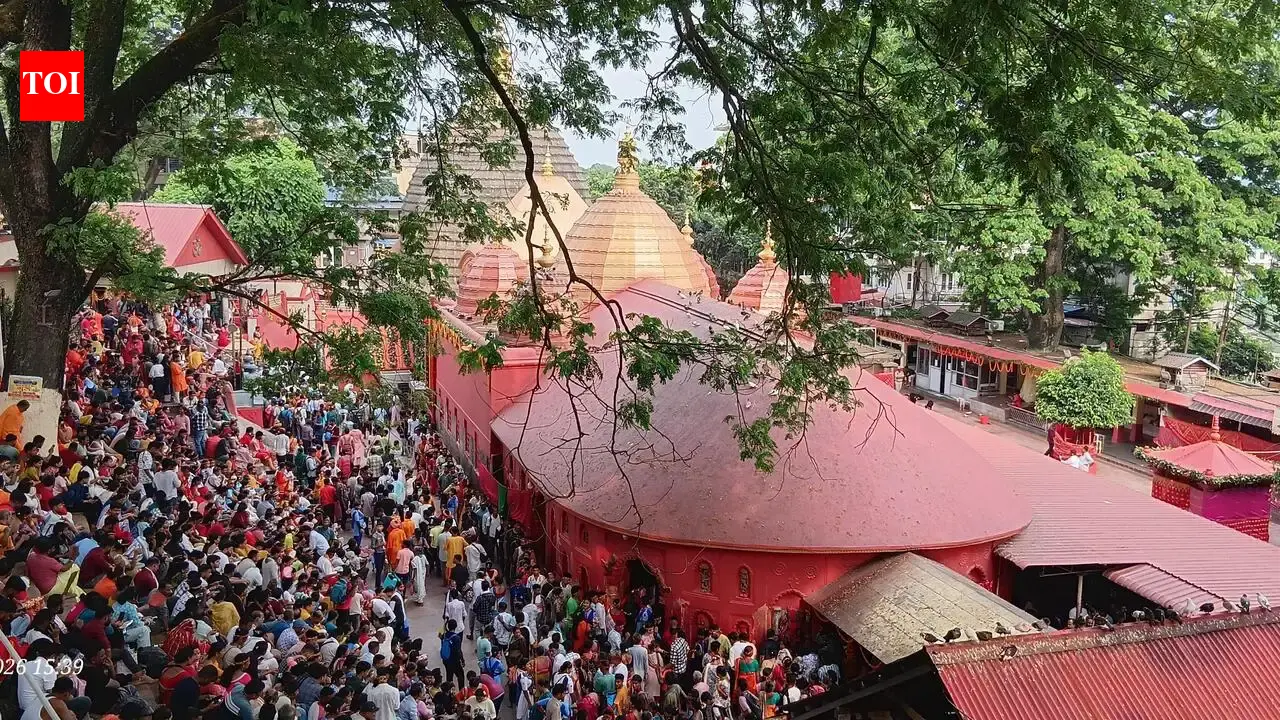
Political and administrative leadership has reviewed comprehensive safety, health, and crowd management arrangements ahead of the upcoming Ambubachi Mela at Kamakhya Temple in Assam. The annual religious gathering, which attracts thousands of devotees from across India and abroad, is expected to see large footfall, prompting intensified coordination between civil authorities, health departments, and security agencies. Moreover, the preparations aim to ensure smooth pilgrimage management, public safety, and adequate infrastructure support during the event.
Amit Shah Reiterates Target of Phasing Out AFSPA from Most of Northeast by 2027
High-Level Review of Crowd and Safety Management
Officials conducted a detailed review of arrangements designed to manage the expected influx of devotees during the Ambubachi Mela. Consequently, emphasis was placed on crowd control mechanisms, emergency response readiness, and infrastructure preparedness in and around the temple premises.
According to administrative sources, the review included assessments of entry and exit routes, queue management systems, and deployment of security personnel. Moreover, authorities stressed the importance of preventing overcrowding and ensuring smooth movement of pilgrims. Therefore, coordinated planning between multiple departments has been intensified.
Security agencies are expected to deploy additional forces to manage crowd density and maintain order during peak pilgrimage hours. As a result, enhanced surveillance and monitoring systems are also likely to be activated.
Meanwhile, local administration continues to fine-tune operational plans for the festival period.
Health Infrastructure and Emergency Preparedness Strengthened
Special focus has been placed on strengthening health and medical support systems for the duration of the event. Moreover, temporary medical camps, ambulance services, and emergency response units are being positioned to address potential health-related incidents. Therefore, healthcare preparedness remains a central component of the planning process.
Health officials noted that large gatherings often require rapid medical response capabilities, particularly in conditions of high humidity, heat, and crowd congestion. Consequently, additional medical staff and support infrastructure are being mobilized. Such measures are essential for ensuring public safety and minimizing health risks.
Furthermore, coordination between hospitals and on-site medical teams is being strengthened to enable quick referral and treatment services. As a result, emergency response efficiency is expected to improve significantly during the festival.
Meanwhile, public health advisories are expected to be issued closer to the event.
Infrastructure and Pilgrimage Facilities Upgraded
Authorities have also reviewed infrastructure readiness, including sanitation facilities, drinking water supply, lighting, and temporary shelters. Moreover, efforts are underway to improve accessibility and comfort for pilgrims arriving from different regions. Therefore, infrastructure enhancement remains a key focus area.
Urban development and public works departments are working to ensure that essential facilities are operational and adequately maintained throughout the event. Consequently, sanitation systems and waste management arrangements are being strengthened to manage high visitor volumes. Such preparations are crucial for maintaining hygiene standards.
Furthermore, transport arrangements and traffic management plans are being finalized to prevent congestion in surrounding areas. As a result, coordinated mobility strategies are expected to be implemented during the mela period.
Meanwhile, continuous monitoring of infrastructure readiness is underway.
Cultural Significance and Administrative Coordination
The Ambubachi Mela is one of the most significant religious gatherings at Kamakhya Temple, symbolizing deep cultural and spiritual traditions. Moreover, the event draws pilgrims, sadhus, and spiritual seekers from across the country and abroad. Therefore, ensuring smooth conduct of the festival is a major administrative responsibility.
Experts observed that large-scale religious events require integrated planning involving security, health, transportation, and civic agencies. Consequently, multi-departmental coordination plays a critical role in successful event management. Such efforts help ensure both safety and cultural continuity.
Furthermore, authorities emphasized the importance of balancing spiritual traditions with modern safety protocols. As a result, administrative planning continues to evolve in response to increasing pilgrim numbers.
Conclusion
The review of safety and health arrangements for the Ambubachi Mela at Kamakhya Temple reflects the government’s focus on ensuring secure, well-managed, and accessible conditions for thousands of devotees. Moreover, the coordinated planning between multiple departments highlights the importance of preparedness in managing large religious gatherings.
As the festival approaches, authorities are expected to continue strengthening infrastructure, healthcare systems, and security arrangements. Therefore, the successful execution of these measures will be crucial for ensuring a safe and smooth pilgrimage experience.
The latest preparations underscore the importance of integrated governance, public safety planning, and cultural management in organizing large-scale religious events.
FAQs
1. What is the Ambubachi Mela?
It is an annual religious festival held at Kamakhya Temple in Assam, attracting thousands of devotees.
2. What arrangements are being reviewed?
Safety, health, security, sanitation, and crowd management arrangements are being reviewed.
3. Why is health preparedness important?
Large gatherings require emergency medical support due to crowd density and environmental conditions.
4. Which departments are involved?
Civil administration, health services, police, and infrastructure departments are involved.
5. What is the main objective of the preparations?
To ensure safe, smooth, and well-managed conduct of the pilgrimage event.