

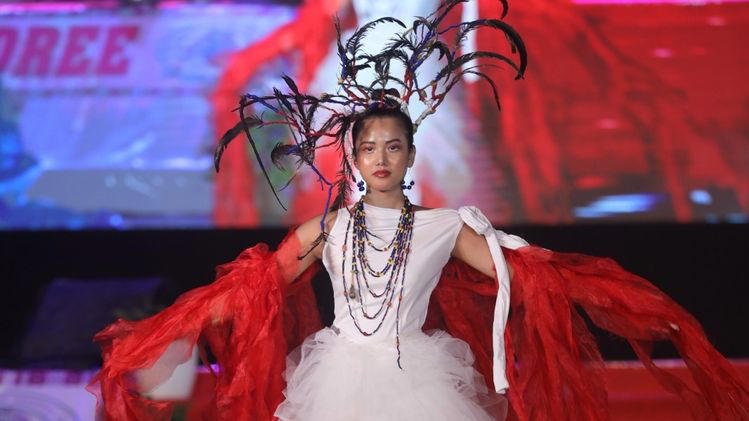
Apatani Fashion Week has officially commenced in Arunachal Pradesh, bringing together designers, artisans, weavers, models, entrepreneurs, and fashion enthusiasts to celebrate the rich cultural heritage of the state through indigenous fashion. The event serves as a vibrant platform for showcasing traditional textiles, handcrafted attire, contemporary ethnic designs, and the creativity of local talent while promoting sustainable fashion rooted in the customs and traditions of the Apatani community.
The fashion week reflects the growing recognition of Northeast India’s indigenous textile traditions on national and international platforms. By blending traditional craftsmanship with modern fashion sensibilities, the event seeks to preserve centuries-old weaving techniques while creating new economic opportunities for artisans and designers.
Officials, cultural organisations, and fashion industry representatives have welcomed the initiative, describing it as an important step towards promoting Arunachal Pradesh’s cultural identity, strengthening the creative economy, and empowering local entrepreneurs through fashion and handicrafts.
Celebration of Indigenous Heritage Through Fashion
The Apatani Fashion Week is dedicated to celebrating the distinctive cultural identity of the Apatani tribe, one of Arunachal Pradesh’s most renowned indigenous communities. Traditional clothing, intricate handwoven fabrics, unique ornaments, and cultural motifs featured prominently on the opening day, highlighting the rich artistic heritage passed down through generations.
Designers presented collections inspired by indigenous traditions while incorporating contemporary styles to appeal to modern audiences. The fusion of traditional craftsmanship with innovative designs demonstrated how cultural heritage can evolve without losing its authenticity.
Organisers stated that the event aims to create greater appreciation for indigenous fashion while encouraging younger generations to take pride in preserving their cultural traditions.
The fashion week also serves as a reminder of the important role that traditional attire plays in maintaining community identity and cultural continuity.
Platform for Local Designers and Emerging Talent
One of the primary objectives of the fashion week is to provide a professional platform for local designers, emerging models, stylists, photographers, and creative entrepreneurs from Arunachal Pradesh.
Many participants are showcasing their work before larger audiences for the first time, gaining valuable exposure and opportunities to connect with industry experts, buyers, and fashion enthusiasts.
Young designers have presented collections that creatively reinterpret traditional Apatani textiles and weaving patterns while maintaining respect for indigenous craftsmanship.
The event also encourages aspiring fashion professionals to pursue careers within the creative industry while promoting entrepreneurship among local youth.
Officials believe that nurturing local talent will contribute significantly to the long-term growth of Arunachal Pradesh’s fashion ecosystem.
Traditional Weaving Takes Centre Stage
The event places special emphasis on traditional weaving, which remains one of the most treasured cultural practices among indigenous communities in Arunachal Pradesh. Skilled artisans displayed handwoven textiles produced using techniques that have been preserved for generations.
The fabrics feature intricate geometric patterns, vibrant colours, and symbolic designs that reflect the history, beliefs, and traditions of the Apatani community.
Organisers highlighted the importance of supporting traditional weavers whose craftsmanship forms the foundation of indigenous fashion.
By promoting handwoven products, the fashion week seeks to generate greater demand for locally produced textiles while encouraging younger artisans to continue practising traditional weaving techniques.
The initiative contributes to preserving an important aspect of Arunachal’s intangible cultural heritage.
Promoting Sustainable and Ethical Fashion
Sustainability remains one of the central themes of the Apatani Fashion Week. Many participating designers have embraced environmentally responsible production methods by using natural fibres, handwoven fabrics, eco-friendly dyes, and locally sourced materials.
Traditional weaving practices inherently promote sustainable fashion through low-impact production methods and minimal environmental footprint.
Organisers emphasised that indigenous communities have long practised sustainable living, making their traditional textiles highly relevant in today’s growing global movement towards ethical fashion.
The event encourages consumers to appreciate handmade products that combine cultural value, craftsmanship, and environmental responsibility.
Officials believe sustainable indigenous fashion has significant potential to attract both domestic and international markets.
Empowering Artisans and Rural Communities
The fashion week is expected to generate new economic opportunities for artisans, weavers, and rural entrepreneurs by providing greater visibility to their products and skills.
Handloom and handicraft sectors continue to provide livelihoods for numerous families across Arunachal Pradesh. Increased market exposure through fashion events helps expand business opportunities while improving income generation for local communities.
Designers are also collaborating directly with rural artisans, ensuring that traditional knowledge is integrated into modern fashion collections.
Such partnerships contribute to preserving indigenous craftsmanship while creating sustainable employment opportunities across the value chain.
Officials stressed that supporting local artisans strengthens both cultural preservation and rural economic development.
Fashion as a Tool for Cultural Preservation
Beyond showcasing clothing, Apatani Fashion Week serves as an important platform for preserving indigenous traditions and promoting cultural awareness among wider audiences.
Fashion has emerged as a powerful medium for documenting and celebrating traditional knowledge, artistic expression, and community identity.
Organisers believe that presenting indigenous attire in professional fashion events helps increase appreciation for Northeast India’s diverse cultural heritage while encouraging cultural exchange.
The event also provides opportunities for visitors to learn about the historical significance of traditional garments, weaving patterns, ornaments, and ceremonial attire associated with the Apatani community.
Such initiatives strengthen cultural pride while ensuring that traditional practices continue to remain relevant in contemporary society.
Tourism and Creative Economy Receive Boost
The fashion week is expected to contribute positively to Arunachal Pradesh’s tourism sector by attracting visitors interested in indigenous culture, fashion, handicrafts, and traditional arts.
Cultural tourism has emerged as an important component of the state’s development strategy, and events such as Apatani Fashion Week help showcase Arunachal’s unique identity to national and international audiences.
The programme also benefits hotels, transport operators, restaurants, local businesses, photographers, event managers, and other service providers associated with the creative economy.
Officials believe that strengthening cultural events can significantly enhance the state’s tourism profile while generating employment and supporting local enterprises.
The fashion industry is increasingly being recognised as an important contributor to the broader creative economy.
Government and Community Support for Indigenous Fashion
The successful organisation of the fashion week reflects strong collaboration between government agencies, community organisations, designers, cultural institutions, and local entrepreneurs.
Officials reiterated their commitment to promoting indigenous textiles, supporting handloom industries, and creating platforms that encourage innovation while preserving traditional knowledge.
Various initiatives are being undertaken to improve market access, strengthen skill development, and provide financial support to artisans and designers working in traditional crafts.
The government believes that investment in creative industries can contribute significantly to employment generation, entrepreneurship, and sustainable cultural development.
Such collaborative efforts are expected to strengthen Arunachal Pradesh’s position as an emerging destination for indigenous fashion and cultural tourism.
A New Chapter for Indigenous Fashion in Arunachal
The opening of Apatani Fashion Week marks a significant milestone in promoting Arunachal Pradesh’s rich cultural heritage through fashion, creativity, and entrepreneurship. By providing a platform for indigenous designers, traditional weavers, emerging talent, and local artisans, the event celebrates the timeless beauty of Apatani culture while embracing modern innovation.
Through its focus on sustainable fashion, cultural preservation, skill development, and economic empowerment, the fashion week demonstrates how traditional craftsmanship can successfully adapt to contemporary markets without compromising authenticity. As the event continues to grow, it is expected to inspire greater appreciation for indigenous textiles, strengthen Arunachal’s creative industries, and create lasting opportunities for local communities. The Apatani Fashion Week stands as a powerful example of how fashion can become a bridge between heritage and modernity while contributing to inclusive economic growth and cultural pride across the region.