

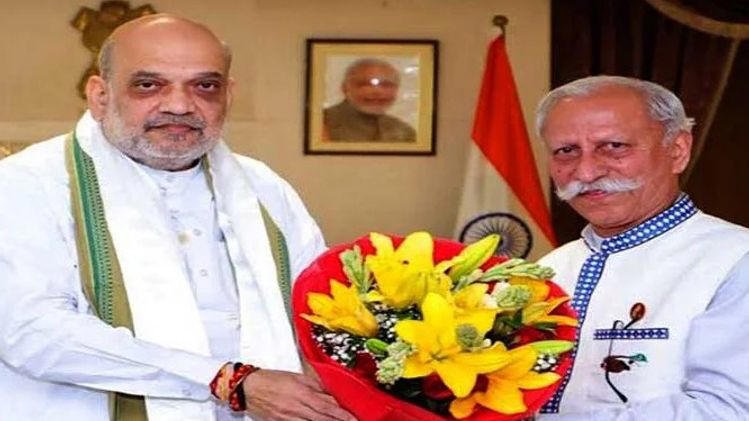
Arunachal Pradesh Governor Lt. Gen. K.T. Parnaik (Retd.) has raised critical concerns related to border security, cross-border challenges, and drug trafficking during a meeting with Union Home Minister Amit Shah. The discussion focused on strengthening security infrastructure, enhancing surveillance mechanisms, tackling narcotics-related crimes, and ensuring the overall safety and stability of India’s northeastern frontier.
The meeting underscored the strategic importance of Arunachal Pradesh, which shares an extensive international border and plays a crucial role in India’s national security framework. The Governor highlighted several issues requiring sustained attention from the Centre, including the need for stronger border management systems, improved connectivity in remote regions, and coordinated action against drug trafficking networks operating across international and inter-state boundaries.
The interaction reflected the growing emphasis on addressing security challenges in the Northeast while promoting development and stability in border areas.
Focus on Strategic Border Security
During the meeting, Governor Parnaik reportedly emphasized the importance of strengthening border security mechanisms in Arunachal Pradesh. Given the state’s extensive and sensitive international border, effective surveillance and infrastructure development remain critical components of national security planning.
The Governor highlighted the need for continued investment in border infrastructure, including roads, communication networks, observation facilities, and logistics support systems. Such measures are considered essential for facilitating rapid deployment of security personnel and improving operational effectiveness in difficult terrain.
Arunachal Pradesh’s mountainous geography presents unique challenges for border management. Remote locations, adverse weather conditions, and limited accessibility often complicate security operations. As a result, authorities have consistently advocated for enhanced infrastructure and technological support.
The Governor stressed that robust border security not only safeguards territorial integrity but also contributes to long-term peace and development in frontier regions.
Importance of Infrastructure in Border Areas
One of the major themes of the discussion was the need for accelerated infrastructure development in border districts. Improved roads, bridges, telecommunications, and transportation networks are viewed as essential for both security and socio-economic progress.
Governor Parnaik noted that infrastructure serves a dual purpose. While it strengthens the operational capabilities of security agencies, it also improves the quality of life for residents living in remote areas. Better connectivity can facilitate access to education, healthcare, markets, and government services.
The Governor reportedly highlighted the importance of continuing efforts to modernize infrastructure in strategically important regions. Enhanced connectivity can help integrate remote communities more effectively into the national development framework while supporting security objectives.
Officials have long emphasized that development and security are closely interconnected, particularly in border areas where economic opportunities can contribute to stability and resilience.
Growing Concern Over Drug Trafficking
A key issue raised during the meeting was the growing threat posed by drug trafficking. Arunachal Pradesh, like several other northeastern states, faces challenges related to the movement of narcotics through regional and international routes.
Governor Parnaik expressed concern about the social and security implications of drug trafficking and its impact on communities, particularly young people. Narcotics-related crimes not only undermine public health but can also contribute to broader law-and-order challenges.
The Governor emphasized the need for stronger enforcement measures, improved intelligence sharing, and enhanced cooperation among security agencies to combat the menace effectively.
Authorities have increasingly focused on disrupting drug supply chains and preventing trafficking networks from exploiting geographical vulnerabilities. The issue has emerged as a major concern for policymakers seeking to protect communities and maintain regional stability.
Need for Enhanced Inter-Agency Coordination
During discussions with Home Minister Amit Shah, the Governor reportedly highlighted the importance of coordination among various law enforcement and security agencies involved in border management and anti-narcotics operations.
Effective responses to modern security threats often require collaboration between state police, central agencies, border guarding forces, intelligence organizations, and administrative authorities. Information sharing and coordinated action can significantly improve operational outcomes.
The Governor stressed that integrated approaches are particularly important in addressing complex challenges such as drug trafficking, which often involves networks operating across multiple jurisdictions.
Officials believe that strengthening institutional cooperation can help authorities respond more effectively to emerging threats and improve overall security preparedness.
Enhanced coordination is also expected to facilitate quicker decision-making and more efficient resource utilization.
Protecting Youth from Drug Abuse
The discussion on drug trafficking also touched upon its social consequences, particularly the impact on young people. Drug abuse has emerged as a growing concern in several regions, affecting individuals, families, and communities.
Governor Parnaik emphasized the importance of preventive measures alongside enforcement efforts. Awareness campaigns, educational initiatives, rehabilitation programs, and community participation are considered crucial components of a comprehensive strategy to address substance abuse.
The Governor reportedly stressed that protecting youth from the dangers of narcotics should remain a priority. By investing in prevention, education, and support services, authorities can reduce vulnerability and promote healthier communities.
The issue is increasingly being viewed as not only a law enforcement challenge but also a public health and social development concern requiring a multi-dimensional response.
Strengthening National Security in the Northeast
The meeting also reflected the broader importance of the Northeast in India’s national security architecture. Arunachal Pradesh occupies a strategically significant position, making effective governance and security management essential.
Governor Parnaik reportedly highlighted the need to continuously assess and strengthen security arrangements in response to evolving challenges. The region’s unique geographical and geopolitical context necessitates sustained vigilance and long-term planning.
The Home Ministry has been working closely with northeastern states on various initiatives aimed at enhancing security, improving infrastructure, and promoting development. These efforts are intended to ensure that border regions remain secure while benefiting from economic growth and improved public services.
The Governor emphasized that maintaining stability in frontier areas is essential for national security and regional prosperity.
Development and Security Go Hand in Hand
A recurring theme throughout the discussion was the relationship between development and security. Governor Parnaik noted that improved infrastructure, economic opportunities, and better public services can contribute significantly to stability in border regions.
Communities that benefit from development initiatives are often better positioned to participate in nation-building and support security objectives. Investments in education, healthcare, transportation, and livelihood opportunities can strengthen resilience and reduce vulnerabilities.
The Governor reportedly advocated for a balanced approach that combines robust security measures with sustained developmental interventions. Such a strategy can help address both immediate challenges and long-term aspirations.
Officials believe that promoting inclusive development in border districts remains one of the most effective ways to strengthen national integration and foster stability.
Centre’s Continued Focus on the Northeast
The meeting between Governor Parnaik and Home Minister Amit Shah also highlighted the central government’s continued focus on the Northeast. Over the past several years, the region has witnessed increased investment in infrastructure, connectivity, security modernization, and development projects.
The government has repeatedly emphasized its commitment to strengthening the Northeast’s role in India’s growth story while addressing strategic and security concerns. Border area development, counter-narcotics efforts, and enhanced connectivity have been identified as key priorities.
Governor Parnaik acknowledged the initiatives undertaken by the Centre and stressed the importance of maintaining momentum in addressing emerging challenges. Continued collaboration between state authorities and the central government will be essential for achieving long-term objectives.
Looking Ahead
The meeting between Arunachal Pradesh Governor Lt. Gen. K.T. Parnaik (Retd.) and Union Home Minister Amit Shah underscored the importance of addressing border security and drug trafficking challenges through coordinated and proactive measures. As Arunachal Pradesh continues to play a crucial role in India’s strategic landscape, ensuring the security and development of border regions remains a priority.
The discussions highlighted the need for stronger infrastructure, enhanced surveillance, effective law enforcement, and greater inter-agency coordination. At the same time, emphasis was placed on protecting communities from the harmful effects of drug trafficking and promoting socio-economic development in frontier areas.
Moving forward, continued cooperation between the state government, central authorities, and security agencies is expected to strengthen border management and improve the overall security environment. Through a combination of vigilance, development, and community engagement, Arunachal Pradesh aims to address emerging challenges while contributing to the broader goals of national security and regional progress.