

The Assam Cabinet has approved a new Child Protection Policy and the Assam Juvenile Justice (Care and Protection of Children) Rules, 2026, marking a significant step towards strengthening child welfare and protection mechanisms across the state.
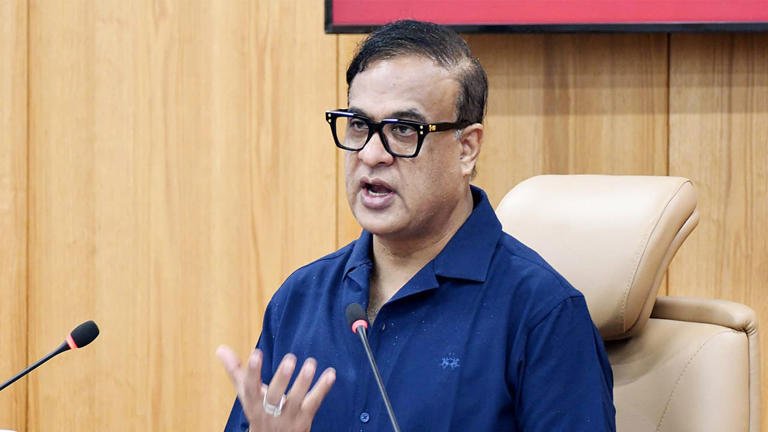
The decisions were taken during a Cabinet meeting chaired by Chief Minister Himanta Biswa Sarma. The new measures aim to improve the institutional framework for children who need care and protection, as well as those who come into conflict with the law.
The government wants to create a stronger system that can identify vulnerable children, provide timely support and ensure their rehabilitation. The new policy and rules are expected to guide government departments and institutions involved in child protection.
Cabinet Approves New Child Protection Framework
The new Child Protection Policy seeks to provide a comprehensive framework for safeguarding children in Assam. It is expected to bring greater coordination among departments dealing with education, health, social welfare, law enforcement and child development.
Child protection involves more than responding to abuse or exploitation. It also requires early intervention, family support, rehabilitation and access to essential services.
The policy will therefore focus on creating systems that can respond to different forms of vulnerability. These may include children facing abuse, neglect, exploitation, trafficking, abandonment or difficult family circumstances.
A coordinated approach can help authorities identify such children earlier and connect them with appropriate services.
New Juvenile Justice Rules for 2026
Along with the Child Protection Policy, the Cabinet approved the Assam Juvenile Justice (Care and Protection of Children) Rules, 2026.
The rules will provide a state-level framework for implementing the Juvenile Justice (Care and Protection of Children) Act. The legislation provides a legal structure for dealing with children who need care and protection and children who come into conflict with the law.
The new rules are expected to strengthen procedures followed by institutions and authorities working under the juvenile justice system.
This includes bodies involved in child care, rehabilitation, legal support and social reintegration. Clearer procedures can help ensure that children receive appropriate treatment based on their individual circumstances.
Focus on Children in Need of Care
One of the major objectives of the new framework is to strengthen support for children who require care and protection.
Such children may include those who have been abandoned, lost, abused or exploited. Some may also come from families facing severe economic or social difficulties.
The government needs an effective system to identify these children and ensure that they receive shelter, education, healthcare and emotional support.
The new policy can help bring these services under a more coordinated framework. It can also improve cooperation between government agencies and organisations working in child welfare.
Rehabilitation Instead of Punishment
The juvenile justice system places considerable emphasis on rehabilitation and reintegration. Children who come into conflict with the law require a different approach from adult offenders.
The objective is to help children understand the consequences of their actions while providing opportunities for education, counselling and rehabilitation.
The new Assam rules can help strengthen this approach at the state level. Officials and institutions will have clearer procedures to follow when dealing with children involved in legal cases.
Rehabilitation can include education, vocational training, counselling and family-based support. The aim is to help children return to society and build a stable future.
Importance of Child-Friendly Institutions
Effective child protection also depends on the quality of institutions that provide care. Children living in care facilities require safe environments, trained staff and access to basic services.
The new framework can help improve standards in institutions working with vulnerable children. Regular monitoring can also ensure that children receive appropriate care.
Child-friendly procedures are equally important. Children should be able to communicate their concerns without fear and should receive support from trained professionals.
Government agencies will therefore need to ensure that institutions follow established standards and that complaints are addressed quickly.
Strengthening Coordination Between Departments
Child protection often involves several government departments. Police may handle cases of abuse or trafficking, while social welfare authorities may provide rehabilitation and support.
Health departments may need to provide medical care, while education authorities can help children return to school. Legal services may also become necessary in certain cases.
The new policy can help improve coordination among these agencies. A stronger referral system can ensure that children do not have to navigate different departments on their own.
Better coordination can also reduce delays. When departments share information and work together, authorities can respond more quickly to urgent cases.
Preventing Child Abuse and Exploitation
Prevention is another important part of child protection. Authorities need to identify risks before they result in serious harm.
Awareness programmes can help children understand unsafe situations and teach families how to seek assistance. Schools can also play an important role by creating safe environments and identifying signs of abuse.
The government can use the new policy to strengthen awareness and reporting mechanisms. Teachers, healthcare workers and community organisations can be trained to recognise signs of vulnerability.
Early intervention can make a major difference. A child who receives support at the right time may avoid more serious risks later.
Tackling Child Trafficking
Assam’s geographical location makes the issue of trafficking particularly important. The state shares borders with several other states and lies close to international borders.
Children can become vulnerable to trafficking for labour, exploitation and other forms of abuse. Stronger coordination between police, social welfare authorities and community organisations can help identify and protect vulnerable children.
The new policy can provide an opportunity to strengthen prevention and rehabilitation mechanisms. Children rescued from trafficking need more than immediate protection. They also require counselling, education and long-term rehabilitation.
Role of Families and Communities
Government institutions cannot protect children on their own. Families and communities have an equally important role.
The new policy can encourage greater community awareness about child rights and protection. Parents and community members need to know where they can report concerns and seek assistance.
Schools and local organisations can also help identify children who may require support. Strong community networks can act as an early warning system for child abuse, neglect and exploitation.
At the same time, authorities must ensure that families facing financial difficulties receive appropriate social support. Economic vulnerability can sometimes increase the risks faced by children.
Need for Effective Implementation
The approval of the policy and rules is only the first step. Their success will depend on effective implementation across Assam.
Government departments will need to provide adequate resources, train personnel and monitor institutions. Child protection workers and other frontline officials will require appropriate training.
Authorities must also ensure that procedures remain accessible to children and families in rural and remote areas. Assam’s geographical diversity means that service delivery can be difficult in some districts.
Regular reviews can help identify gaps and improve implementation over time.
Assam Strengthens Child Welfare Measures
The Assam Cabinet’s approval of the Child Protection Policy and Juvenile Justice Rules, 2026, represents an important development in the state’s child welfare framework.
The new measures aim to strengthen protection, improve institutional coordination and promote rehabilitation for vulnerable children. They also seek to create clearer procedures for authorities dealing with children in need of care and children who come into conflict with the law.
The focus on prevention, rehabilitation and community participation can help Assam build a more comprehensive child protection system.
However, the real impact will depend on implementation. Adequate funding, trained personnel, strong monitoring and effective coordination will be essential.
If these measures are implemented properly, Assam can strengthen its ability to protect vulnerable children and ensure that they receive the care, education and rehabilitation they need. The new policy and rules therefore mark an important step towards creating a safer and more supportive environment for children across the state.