

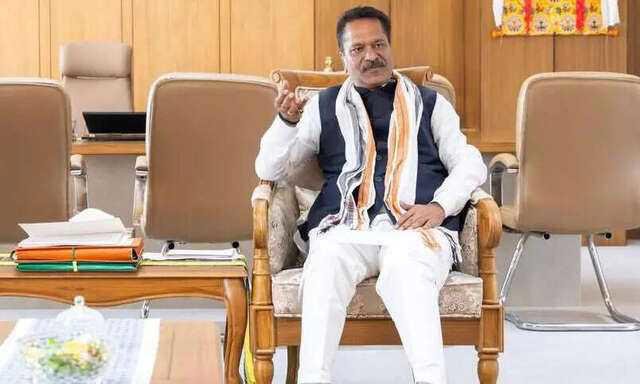
The Assam government has stepped up efforts to address the shortage of super-speciality doctors in state-run hospitals. Health Minister Ashok Singhal said the government has adequate funds to appoint specialists, but the main challenge remains finding doctors willing to join government healthcare institutions.
The shortage has affected several specialised medical services across the state. Hospitals have vacancies in areas such as cardiology and neurology, even though the government has resources to fill the posts. Singhal said the issue is not a lack of funds but the reluctance of specialists to take up government positions.
The minister made the remarks during the Swasthya Chintan Shivir 2026 at Khanapara. The event brought together stakeholders to discuss healthcare, medical education and research in Assam. Singhal said the government wants to turn discussions into concrete measures that can improve patient care.
Government Has Funds, But Specialists Remain Hard to Find
Singhal said Assam has sufficient funds to appoint super-speciality doctors. However, many qualified specialists prefer not to work in government hospitals.
The shortage is particularly visible in specialised fields. Government hospitals need doctors in departments such as cardiology, neurology and other advanced medical disciplines. Vacant posts can affect the availability of complex treatments for patients who depend on public healthcare.
The minister said the government has already tried to attract doctors from outside Assam. However, those efforts have not produced the expected results.
The challenge, therefore, is not simply about creating posts. The state must also make government hospitals attractive enough for highly qualified specialists to join and remain in service.
Specialist Shortage Affects Advanced Healthcare
Super-speciality doctors play an important role in treating complex and serious medical conditions. Their services are particularly important for patients requiring advanced diagnosis, surgery or long-term specialised treatment.
When government hospitals do not have enough specialists, patients may have to travel to larger cities or private hospitals. This can increase treatment costs and create additional pressure on families.
The problem becomes more serious for patients from rural and economically weaker communities. Many depend on government hospitals because private healthcare can be expensive.
Strengthening specialist services in public hospitals can therefore improve access to advanced treatment. It can also reduce the need for patients to travel outside their districts or the state.
Assam Expands Medical Education
The government believes that expanding medical education will provide a long-term solution to the shortage.
Singhal pointed out that Assam has established eight medical colleges over the past decade. Another medical college is expected to come up in Bongaigaon.
The expansion is intended to increase the number of doctors and postgraduate specialists available in the state. However, medical education takes several years to produce fully trained specialists.
Assam currently has 1,825 MBBS seats and 788 postgraduate medical seats, according to figures presented by Singhal in the Assembly. He said increasing medical education capacity remains essential because doctors cannot be produced overnight.
The state will therefore need to continue expanding postgraduate and super-speciality training opportunities.
Increasing Postgraduate Seats Is Important
The availability of postgraduate seats directly affects the number of specialists a state can produce. If Assam wants to reduce its dependence on doctors from outside the state, it will need to increase opportunities for specialist training.
The government has already taken steps to expand medical education. Recruitment notices from the Medical and Health Recruitment Board show that Assam is seeking doctors for several super-speciality departments.
These include cardiology, neurology, endocrinology, nephrology and medical oncology. Surgical super-specialities include plastic surgery, cardiothoracic and vascular surgery, neurosurgery, urology and paediatric surgery.
Candidates with DM, M.Ch. or DNB qualifications in the relevant super-speciality receive preference under the recruitment process.
Recruitment Efforts Continue
The government has also been using recruitment drives to fill specialist positions. Assam’s Medical and Health Recruitment Board has issued advertisements for super-speciality positions and allowed eligible doctors already working under government health agencies to apply.
The recruitment process includes interviews based on academic performance and other criteria. The government has also provided weightage for certain doctors already serving in state health institutions.
Such measures could help Assam fill vacancies more quickly. They may also encourage doctors already familiar with the state’s healthcare system to move into specialist positions.
However, recruitment alone may not solve the problem if doctors continue to prefer private practice or hospitals outside the state.
Government Hospitals See Huge Patient Footfall
The need for specialist doctors is particularly important because Assam’s government healthcare system handles a very large number of patients.
Singhal said public hospitals and health centres across the state record around 4.5 crore outpatient visits. The figure reflects the heavy dependence on government healthcare facilities among residents.
The large patient load creates a strong need for adequate specialist services. Government hospitals must have enough doctors, nurses, technicians and other healthcare workers to manage this demand.
The government has therefore been focusing on both recruitment and expansion of medical infrastructure.
New Medical Colleges Can Strengthen Healthcare
The expansion of medical colleges could benefit Assam in several ways. New institutions can increase MBBS seats while also creating opportunities for postgraduate training.
Medical colleges also serve as major hospitals. They can provide specialised treatment while giving medical students practical experience.
As more medical colleges become operational, the government expects the state’s healthcare network to become stronger.
However, expanding institutions without adequate faculty and infrastructure can create new challenges. Experts have warned that medical education expansion must keep pace with faculty recruitment, hospital capacity and training quality.
Therefore, Assam will need to strengthen existing institutions while developing new ones.
Attracting Specialists Remains a Challenge
The government’s biggest immediate challenge remains attracting super-speciality doctors to government service.
Specialists often have opportunities in private hospitals and other healthcare institutions. Government hospitals therefore need effective recruitment and retention policies to compete for their services.
Better working conditions, modern equipment and professional opportunities can encourage specialists to join public institutions.
The availability of supporting medical staff is also important. Specialists need trained nurses, technicians and other professionals to provide advanced treatment effectively.
The government will therefore need to address the wider healthcare ecosystem rather than focusing only on doctor recruitment.
District Hospitals Need Specialist Services
Improving specialist availability outside major cities is another important priority. Patients in districts should not have to travel to Guwahati for every complex medical condition.
The government has been working to strengthen district hospitals and healthcare infrastructure. A recruitment tender issued in 2026 sought an agency to hire specialist doctors, MBBS doctors and staff nurses for district hospitals across Assam.
Such recruitment could help district hospitals provide a wider range of services.
Better specialist coverage at the district level could also reduce pressure on major medical colleges and hospitals in Guwahati.
Long-Term Solution Through Medical Education
Singhal has made it clear that Assam cannot solve the specialist shortage overnight. Training a super-speciality doctor requires years of medical education and clinical experience.
The state must therefore work on both immediate and long-term solutions.
In the short term, Assam can recruit specialists from within and outside the state. It can also improve working conditions and strengthen specialist services in government hospitals.
In the long term, expanding postgraduate and super-speciality education can create a larger pool of locally trained doctors.
This approach can reduce dependence on recruitment from other states and provide a more sustainable healthcare workforce.
Assam Seeks Stronger Public Healthcare
The shortage of super-speciality doctors remains a major challenge for Assam’s healthcare system. However, the government has outlined several measures to address it.
These include expanding medical education, increasing postgraduate opportunities, recruiting specialists and strengthening district hospitals.
The government has also made clear that funding alone cannot solve the problem. Assam needs qualified doctors who are willing to work in public hospitals and remain in the state.
The large patient footfall in government facilities makes this need particularly urgent. Better specialist availability can help patients receive advanced treatment closer to home.
For Assam, the next challenge will be turning recruitment plans and medical education expansion into a stable specialist workforce. If the government can attract doctors while strengthening training and hospital infrastructure, it could significantly improve access to advanced healthcare across the state.