

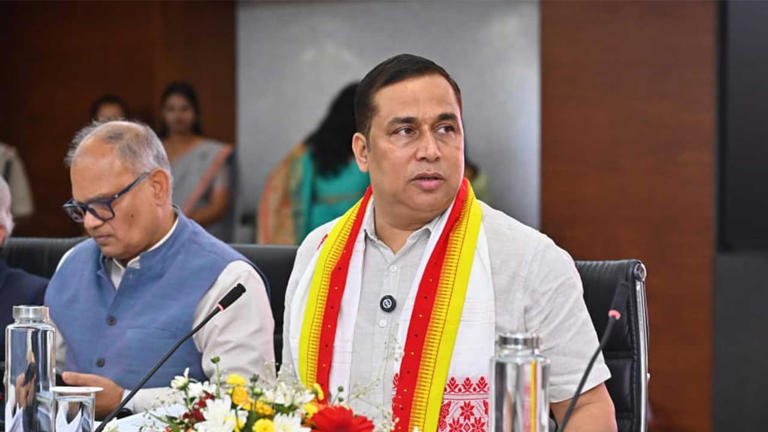
Assam’s Forest Minister has outlined a comprehensive new vision for the functioning of the Forest Department, emphasizing conservation, technological modernization, community participation, and sustainable management of natural resources. The proposed roadmap seeks to strengthen the department’s role in protecting biodiversity while supporting environmental sustainability and socio-economic development.
The minister stated that the Forest Department must evolve to meet emerging environmental challenges and changing public expectations. He emphasized the importance of adopting innovative approaches that balance conservation goals with the needs of local communities.
The announcement comes at a time when environmental concerns such as climate change, habitat loss, human-wildlife conflict, and biodiversity conservation are receiving increased attention across the country. Assam, known for its rich natural heritage and diverse ecosystems, faces both opportunities and challenges in preserving its environmental assets.
Officials believe the new vision will help modernize the department and improve its effectiveness in addressing contemporary conservation issues.
Focus on Biodiversity Conservation
A central element of the minister’s vision is the protection of Assam’s rich biodiversity. The state is home to several nationally and internationally significant wildlife habitats, including forests, wetlands, grasslands, and protected areas.
The minister emphasized that preserving biodiversity remains one of the Forest Department’s primary responsibilities. Assam’s unique ecosystems support numerous species of animals, birds, and plants, many of which hold ecological and conservation importance.
Officials plan to strengthen habitat protection measures and improve monitoring systems within protected areas. Enhanced conservation strategies are expected to support wildlife populations while preserving ecological balance.
The minister noted that biodiversity conservation contributes not only to environmental sustainability but also to tourism, scientific research, and community well-being. Protecting natural habitats remains essential for maintaining ecosystem services that support human life.
The department intends to continue working closely with conservation organizations, researchers, and local communities to achieve these objectives.
Technology to Drive Modern Forest Management
The minister highlighted the growing importance of technology in modern forest administration. He stressed that digital tools and scientific approaches can significantly improve monitoring, planning, and decision-making processes.
The Forest Department plans to expand the use of technologies such as satellite imagery, geographic information systems (GIS), drones, and digital databases. These tools can help officials monitor forest cover, detect illegal activities, and assess environmental changes more efficiently.
Technology can also improve wildlife monitoring and strengthen anti-poaching efforts. Real-time information allows authorities to respond more effectively to threats affecting forests and protected areas.
Officials believe that data-driven decision-making can enhance transparency and improve resource management. Digital systems can support more accurate assessments and facilitate long-term planning.
The minister stated that technological modernization would remain a key component of the department’s future strategy.
Strengthening Human-Wildlife Conflict Management
Human-wildlife conflict continues to be a major challenge in several parts of Assam. Expanding human settlements and changing land-use patterns have increased interactions between people and wildlife, often leading to conflicts.
The minister emphasized the need for a balanced and humane approach to managing these situations. The department plans to strengthen preventive measures, improve response mechanisms, and enhance public awareness programmes.
Officials are exploring ways to minimize conflict through better habitat management, community engagement, and technological interventions. Early warning systems and improved monitoring may help reduce risks in vulnerable areas.
The minister noted that effective conflict management requires cooperation among government agencies, local communities, and conservation stakeholders. Public participation remains essential for achieving sustainable solutions.
Addressing human-wildlife conflict will continue to be a priority under the department’s new vision.
Community Participation at the Core
The new roadmap places significant emphasis on community participation in forest conservation and management. The minister stated that local communities play a crucial role in protecting natural resources and promoting environmental sustainability.
Many communities living near forests depend on natural resources for their livelihoods. Their involvement in conservation initiatives can contribute to more effective and sustainable outcomes.
The department plans to strengthen partnerships with local residents, village organizations, and community groups. Such collaboration can improve forest protection while creating opportunities for livelihood development.
Officials believe that community-based conservation approaches encourage shared responsibility and strengthen public support for environmental initiatives. Successful conservation efforts often depend on active local participation.
The minister emphasized that empowering communities and incorporating their knowledge into management strategies can enhance the effectiveness of conservation programmes.
Climate Change and Environmental Sustainability
Climate change has emerged as one of the most pressing environmental challenges of the modern era. The minister highlighted the important role forests play in addressing climate-related concerns through carbon sequestration, water conservation, and ecosystem protection.
The department intends to strengthen initiatives aimed at increasing forest cover, restoring degraded landscapes, and improving ecosystem resilience. Such efforts can contribute to climate adaptation and mitigation goals.
Officials also plan to promote afforestation and reforestation programmes that support environmental sustainability. Expanding green cover can provide ecological benefits while improving environmental quality.
The minister noted that sustainable forest management remains essential for maintaining ecological balance and supporting long-term development objectives.
The department’s future strategies will increasingly incorporate climate considerations into planning and implementation processes.
Enhancing Eco-Tourism Opportunities
Assam’s forests and wildlife habitats attract visitors from across India and around the world. The minister identified eco-tourism as an area with significant potential for both conservation and economic development.
Responsible eco-tourism can generate income while creating incentives for environmental protection. It also helps raise awareness about biodiversity and conservation issues.
The Forest Department plans to support sustainable tourism initiatives that minimize environmental impacts while benefiting local communities. Improved visitor facilities, interpretation services, and conservation education programmes may form part of these efforts.
Officials believe that eco-tourism can create employment opportunities and strengthen local economies. However, they emphasized that tourism development must remain compatible with conservation objectives.
The minister stated that balancing ecological protection with tourism promotion will be an important aspect of future planning.
Capacity Building and Institutional Strengthening
The minister also stressed the importance of strengthening the institutional capacity of the Forest Department. Effective conservation requires skilled personnel, adequate resources, and modern management systems.
The department plans to invest in training programmes and professional development initiatives for forest personnel. Capacity-building efforts can improve operational effectiveness and enhance service delivery.
Officials recognize that emerging environmental challenges require specialized knowledge and expertise. Continuous learning and skill development will therefore remain priorities.
The minister emphasized that a strong and capable workforce is essential for achieving long-term conservation goals. Institutional strengthening will help ensure that the department remains prepared to address evolving environmental issues.
Improved coordination among different agencies and stakeholders is also expected to support better outcomes.
Vision for a Sustainable Future
The Forest Minister’s new vision represents a comprehensive approach to environmental management in Assam. By combining conservation, technology, community participation, climate action, and institutional strengthening, the department aims to create a more effective and forward-looking framework for forest governance.
The roadmap reflects the growing recognition that environmental protection and sustainable development must go hand in hand. Forests provide ecological, economic, and social benefits that are essential for long-term prosperity.
Officials believe the proposed reforms will strengthen the Forest Department’s ability to protect biodiversity, manage natural resources responsibly, and respond to emerging challenges. The vision also emphasizes the importance of collaboration among government agencies, communities, researchers, and conservation organizations.
As Assam continues to address environmental concerns while pursuing development goals, the Forest Department’s evolving role will remain crucial. The new vision seeks to position the department as a modern, responsive, and effective institution committed to safeguarding the state’s rich natural heritage for future generations.