

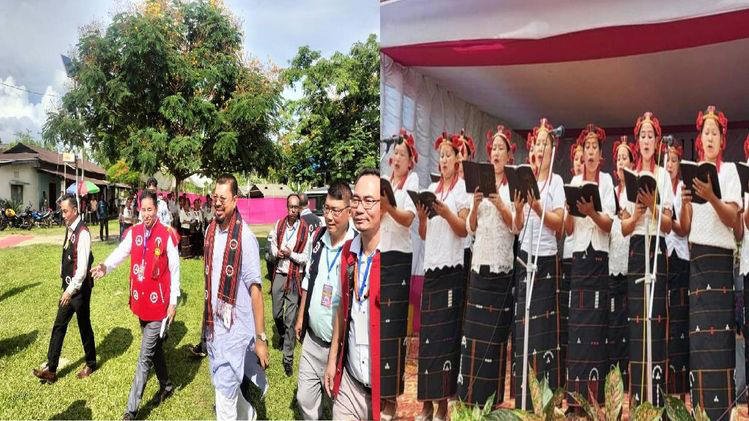
Tinsukia is set to celebrate the vibrant Tuluni Festival, one of the most significant cultural festivals of the Sümi Naga community, with a grand showcase of traditional heritage, indigenous customs, folk performances, and community celebrations. The festival is expected to bring together members of the Sümi Naga community, cultural enthusiasts, local residents, and visitors in a colourful celebration that reflects the rich traditions and cultural identity of one of the prominent Naga tribes.
Organisers said the festival aims to preserve and promote the community’s unique heritage while providing younger generations with an opportunity to reconnect with their traditions. The event will feature traditional music, dance, indigenous cuisine, cultural exhibitions, and ceremonial activities that highlight the historical and social significance of Tuluni.
The celebration also seeks to strengthen cultural harmony by encouraging greater appreciation of the diverse traditions that enrich Assam’s multicultural landscape.
Tuluni: A Festival of Gratitude and Togetherness
Tuluni is one of the most important festivals observed by the Sümi Naga community and is traditionally celebrated during the agricultural season. It symbolises prosperity, gratitude, unity, and the abundance associated with successful cultivation.
The festival marks a time when families, relatives, and community members gather to strengthen social bonds, express gratitude for nature’s blessings, and celebrate the spirit of togetherness. Traditional rituals, feasting, cultural performances, and community interactions form the core of the celebrations.
Organisers noted that Tuluni represents not only an agricultural festival but also an important expression of the community’s identity, values, and cultural continuity.
Rich Display of Sümi Naga Traditions
The festival in Tinsukia will offer visitors an opportunity to experience the distinctive customs and traditions of the Sümi Naga community. Participants dressed in colourful traditional attire will showcase ceremonial clothing, handcrafted ornaments, woven textiles, and indigenous accessories that reflect generations of artistic craftsmanship.
Traditional folk songs and dances performed during the festival narrate stories of bravery, community life, agriculture, and cultural heritage. These performances preserve oral traditions while passing cultural knowledge from one generation to the next.
Organisers believe that showcasing authentic traditions helps strengthen cultural pride among younger community members while promoting wider public appreciation of indigenous heritage.
Cultural Performances to Highlight Indigenous Identity
Music and dance will remain among the major attractions of the Tuluni Festival. Cultural groups are expected to present traditional folk dances accompanied by indigenous musical instruments, demonstrating the artistic richness of the Sümi Naga community.
Performances will celebrate themes of unity, harvest, friendship, and gratitude that have long been associated with the festival. Visitors will also have the opportunity to witness ceremonial practices that continue to hold cultural significance within the community.
Artists and performers from different age groups are expected to participate, reflecting the community’s efforts to preserve traditional performing arts through active public engagement.
Indigenous Cuisine Takes Centre Stage
Food remains an integral part of Tuluni celebrations, and the festival will feature a wide variety of traditional Sümi Naga dishes prepared using locally sourced ingredients and time-honoured cooking methods.
Visitors will have the opportunity to explore indigenous culinary traditions that have been preserved through generations. Traditional delicacies prepared from rice, vegetables, smoked meat, bamboo shoots, herbs, and locally available produce will showcase the diversity of Naga cuisine.
Community feasts symbolise hospitality, friendship, and collective celebration, reinforcing the social values that define the festival.
Organisers said promoting traditional cuisine also supports the preservation of indigenous food culture and local agricultural practices.
Promoting Cultural Preservation
One of the primary objectives of the Tuluni Festival is to preserve and promote the rich cultural heritage of the Sümi Naga community. Rapid social and technological changes have increased the importance of initiatives that document, celebrate, and transmit traditional knowledge to younger generations.
The festival provides an important platform for elders to share customs, folklore, rituals, and cultural practices with youth. Educational displays, cultural exhibitions, and interactive activities are expected to encourage greater understanding of the community’s history and traditions.
Organisers emphasised that preserving indigenous heritage requires active participation from both community members and cultural institutions.
Strengthening Cultural Tourism
The Tuluni Festival is also expected to contribute to the promotion of cultural tourism in Upper Assam. Festivals showcasing indigenous traditions increasingly attract visitors interested in experiencing authentic cultural practices, local cuisine, traditional arts, and community celebrations.
Tourism associated with such events benefits local artisans, transport providers, hospitality businesses, food vendors, and small entrepreneurs. Increased visitor participation also creates opportunities for promoting traditional handicrafts, textiles, and locally produced goods.
Officials believe that cultural tourism supports both economic development and heritage conservation by creating sustainable livelihood opportunities linked to traditional knowledge.
Encouraging Community Harmony
Beyond celebrating Sümi Naga traditions, the festival seeks to strengthen harmony among different communities living in Assam. Cultural festivals provide opportunities for people from diverse backgrounds to interact, learn about one another’s traditions, and foster mutual respect.
Organisers have invited members of various communities to participate in the celebrations, reinforcing the message that cultural diversity remains one of Assam’s greatest strengths. Such events contribute to social cohesion by encouraging dialogue, understanding, and appreciation of different cultural identities.
Community leaders observed that preserving individual traditions while promoting shared values strengthens the broader fabric of society.
A Platform for Local Artisans and Performers
The festival will also provide valuable opportunities for local artisans, weavers, musicians, dancers, and cultural practitioners to showcase their talents. Traditional handloom products, handicrafts, jewellery, and indigenous artwork will be displayed through exhibitions and cultural stalls.
These platforms help artisans reach wider audiences while encouraging continued practice of traditional crafts that form an important part of the community’s cultural identity. Supporting indigenous craftsmanship also contributes to rural livelihoods and the preservation of valuable artistic skills.
Organisers expressed hope that increased public interest would encourage younger generations to continue practising traditional arts and crafts.
Celebrating Heritage for Future Generations
The Tuluni Festival in Tinsukia promises to be a vibrant celebration of Sümi Naga heritage, bringing together tradition, culture, community, and hospitality in a colourful display of indigenous identity. Through music, dance, traditional attire, cuisine, and cultural exhibitions, the festival seeks to preserve centuries-old customs while introducing them to a wider audience.
As Assam continues to celebrate its remarkable cultural diversity, events like the Tuluni Festival play an important role in strengthening intercultural understanding and safeguarding indigenous heritage. By encouraging active participation from community members, youth, and visitors alike, the festival not only honours the legacy of the Sümi Naga people but also reinforces the importance of preserving India’s rich cultural mosaic for future generations.