

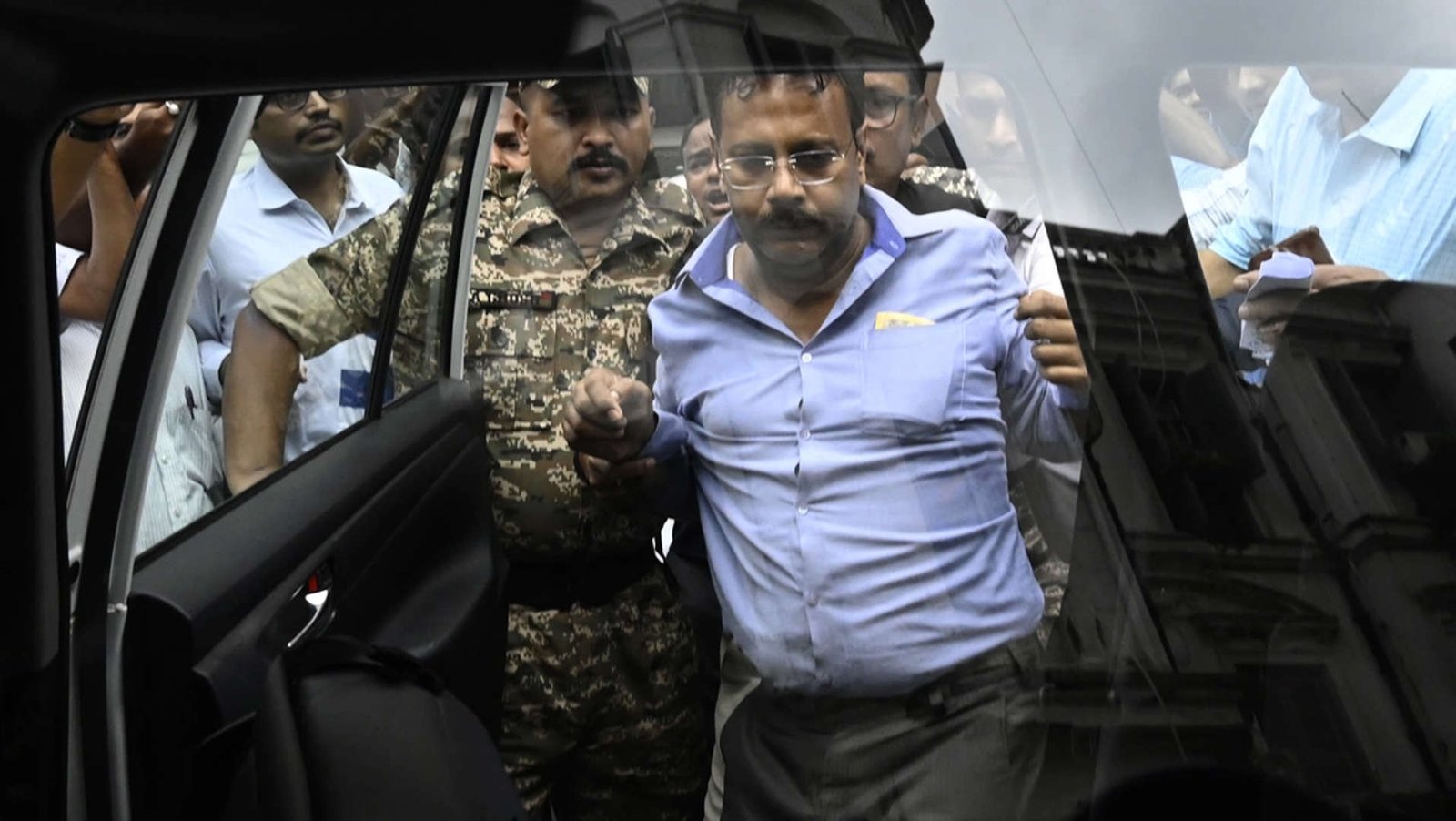
The West Bengal government has reportedly granted approval for the prosecution of Sandip Ghosh in connection with the controversial RG Kar case, adding a significant development to the ongoing investigation that has triggered widespread political and public debate.
Officials stated that the decision to allow prosecution came after legal and administrative review processes linked to allegations and findings associated with the case.
The RG Kar issue has remained under intense public scrutiny for months because of allegations surrounding administrative irregularities, institutional functioning, and questions regarding accountability at RG Kar Medical College and Hospital.
The latest move is expected to intensify legal proceedings and political discussions surrounding the case, which has already generated strong reactions from political parties, doctors’ organisations, and civil society groups.
Authorities have not disclosed all details related to the prosecution approval publicly. However, officials confirmed that the legal process will now move forward according to established judicial procedures.
Bengal government grants prosecution approval
Officials confirmed that the West Bengal government has approved the prosecution of Sandip Ghosh in connection with the RG Kar matter.
The approval reportedly followed procedural reviews and consultations involving legal and administrative authorities.
According to officials, such approval becomes necessary in cases involving public servants or former officials linked to government institutions.
Authorities stated that the decision allows investigating agencies and legal authorities to proceed further under the applicable legal framework.
The development marks a major step in the ongoing proceedings surrounding the RG Kar controversy, which has remained politically sensitive and publicly debated.
Observers noted that prosecution approvals in high-profile institutional cases often attract considerable political and media attention.
RG Kar case sparked major controversy
The RG Kar case emerged as a major issue in West Bengal after allegations linked to administrative functioning and institutional management triggered public outrage and political confrontation.
The controversy attracted attention from political parties, medical professionals, student groups, and civil society organisations.
Questions regarding governance, accountability, and administrative oversight at RG Kar Medical College became central issues in the debate.
The case also generated protests and demands for stronger transparency and institutional reforms in the healthcare and education sectors.
Observers noted that the issue quickly expanded beyond a single institution because of its broader political and administrative implications.
The controversy remained one of the most discussed issues in Bengal’s public and political discourse over recent months.
Political reactions intensify
The latest decision triggered fresh political reactions from both ruling and opposition parties in West Bengal.
Opposition leaders claimed the prosecution approval reflects the seriousness of allegations linked to the RG Kar controversy.
Several opposition representatives also argued that accountability must extend to all individuals connected with alleged administrative irregularities.
Meanwhile, leaders linked to the ruling establishment maintained that the government has followed legal procedures and allowed institutions to function independently.
Political observers noted that the RG Kar issue has repeatedly become a political flashpoint because of the intense rivalry between major parties in West Bengal.
The prosecution approval is therefore expected to remain a major political talking point in the coming days.
Medical community closely watches developments
Doctors’ organisations and members of the medical community have continued monitoring developments related to the RG Kar case closely.
Several medical associations previously raised concerns regarding institutional governance, workplace conditions, and administrative transparency in public healthcare institutions.
The RG Kar controversy also triggered broader discussions regarding accountability and reform in medical administration.
Observers noted that incidents involving major public hospitals and medical colleges often generate significant concern because they directly affect healthcare systems and public trust.
The prosecution approval may therefore influence ongoing discussions regarding governance and oversight in medical institutions across the state.
Some healthcare professionals also called for fair and transparent legal proceedings without political interference.
Legal process expected to continue
Legal experts explained that the prosecution approval now allows investigating agencies and judicial authorities to proceed with the next stages of the case.
Officials stated that courts and investigative agencies will continue examining evidence and legal arguments according to due process.
Authorities also clarified that prosecution approval does not itself determine guilt or innocence but permits further legal proceedings under the law.
Observers noted that high-profile institutional cases often involve lengthy legal processes because of procedural requirements and judicial scrutiny.
Legal analysts also stressed the importance of maintaining transparency and fairness throughout the proceedings.
The case is expected to remain under close public and media observation as investigations and hearings continue.
RG Kar issue became politically sensitive
The RG Kar controversy became politically sensitive partly because it emerged during a period of heightened political confrontation in West Bengal.
Opposition parties repeatedly targeted the previous administration over issues linked to governance, institutional management, and accountability.
Meanwhile, ruling party representatives accused opposition leaders of politicising the issue for electoral and political gain.
Political analysts noted that institutional controversies involving public healthcare and education sectors often carry strong emotional and political impact.
The RG Kar issue therefore evolved into a broader debate regarding governance standards and administrative responsibility in the state.
Observers believe the prosecution approval may further intensify political exchanges between rival parties.
Public demand for accountability remains strong
Public demand for accountability has remained strong throughout the RG Kar controversy.
Civil society groups, activists, and citizens repeatedly called for transparent investigations and institutional reforms.
Several organisations stressed the importance of protecting public trust in healthcare institutions through stronger governance mechanisms.
Observers noted that controversies involving public institutions often trigger wider concerns regarding administrative transparency and systemic accountability.
The prosecution approval therefore received considerable attention from citizens following developments in the case over recent months.
Many groups also urged authorities to ensure that legal proceedings remain impartial and transparent.
Experts stress institutional reforms
Policy experts and healthcare observers argued that the controversy highlights the need for broader institutional reforms in public healthcare administration.
They stated that transparency, accountability, administrative efficiency, and grievance redressal systems remain essential for strengthening public institutions.
Experts also stressed the importance of improving oversight mechanisms and ensuring professional management practices within medical colleges and hospitals.
The RG Kar issue has therefore contributed to larger debates regarding governance reforms in the healthcare sector.
Observers believe future policy discussions may increasingly focus on institutional accountability and administrative restructuring.
Case likely to remain under scrutiny
The West Bengal government’s decision to clear the prosecution of Sandip Ghosh marks a major development in the RG Kar case and is expected to intensify both legal and political scrutiny.
As investigations and judicial proceedings continue, the case is likely to remain a significant issue in Bengal’s political and public discourse.
Political parties, healthcare professionals, and civil society groups are expected to continue monitoring developments closely.
Meanwhile, authorities maintain that the legal process will proceed according to established judicial procedures and institutional guidelines.
The controversy surrounding RG Kar Medical College has already sparked larger debates regarding accountability, governance, and transparency in public institutions across West Bengal.