

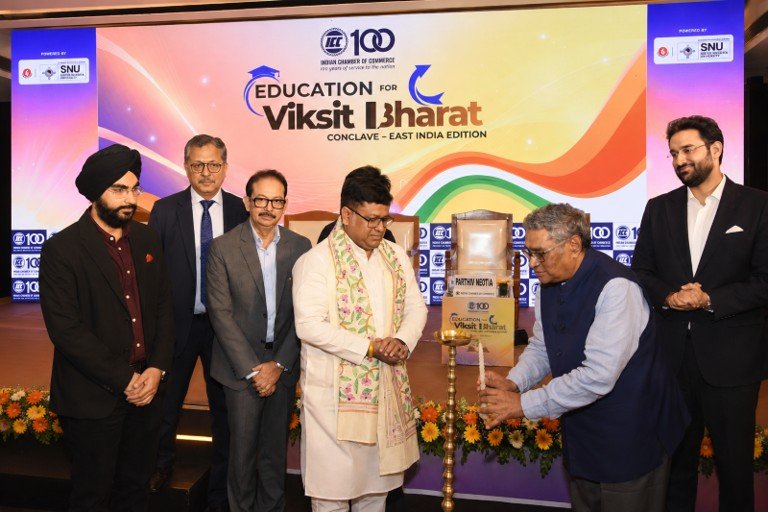
West Bengal Finance Minister Swapan Dasgupta has called for a complete rebuilding of the state’s public education system from the ground up, stressing that meaningful reforms are essential to improve learning outcomes, strengthen institutions, and prepare students for the challenges of a rapidly changing world. Highlighting the critical role of education in shaping society and driving economic growth, the minister said that a strong public education system remains the foundation of inclusive and sustainable development.
Speaking at a public event focused on education and governance, Dasgupta emphasized that reforms should extend beyond infrastructure improvements to include curriculum modernization, teacher development, technological integration, and better governance. According to him, rebuilding public education requires a long-term vision supported by coordinated efforts from the government, educators, parents, and civil society.
He noted that investing in education is among the most important investments any government can make, as it directly influences the state’s future workforce, economic competitiveness, and social progress.
Public Education Needs Structural Transformation
The Finance Minister observed that the challenges facing public education cannot be addressed through isolated initiatives alone. Instead, he advocated a comprehensive strategy that focuses on strengthening every level of the education system, from primary schools to higher education institutions.
He stressed that improving school infrastructure remains important, but equal attention must be given to teaching quality, curriculum relevance, student engagement, and effective school administration. Modern classrooms, adequate learning resources, and supportive educational environments are necessary to ensure that students receive quality education regardless of their socio-economic background.
Dasgupta stated that educational reforms should be designed to prepare students with the knowledge, skills, and critical thinking abilities required in today’s competitive global environment.
Improving Learning Outcomes Should Be the Priority
According to the minister, the ultimate objective of educational reform should be improving learning outcomes rather than merely expanding enrolment or infrastructure. He emphasized that every child deserves access to high-quality education that enables academic excellence as well as personal development.
He highlighted the importance of regularly assessing student performance, identifying learning gaps, and implementing targeted interventions to improve educational achievement.
The minister also called for greater emphasis on foundational literacy, numeracy, language proficiency, scientific thinking, and problem-solving skills at the school level.
Strengthening classroom teaching methods and promoting continuous learning assessments, he noted, can significantly improve educational standards across government schools.
Teachers Remain Central to Educational Excellence
Swapan Dasgupta underlined that teachers remain the backbone of any successful education system. He emphasized the need to invest in teacher training, professional development, and continuous skill enhancement to help educators adapt to evolving educational requirements.
Modern teaching methodologies, digital learning tools, and innovative classroom practices can improve both teaching effectiveness and student engagement. The minister encouraged greater institutional support for teachers, including opportunities for training, mentoring, and career advancement.
He observed that motivated and well-trained teachers play a vital role in inspiring students, improving academic performance, and nurturing responsible citizens.
The government, he suggested, should continue strengthening teacher education programmes while encouraging excellence in classroom instruction.
Technology Can Transform Public Education
The Finance Minister highlighted the growing importance of technology in modern education. Digital classrooms, online learning platforms, educational software, smart teaching tools, and digital libraries have the potential to expand access to quality education while enhancing learning experiences.
He stated that technology should complement traditional teaching methods by providing students with broader educational opportunities and access to high-quality learning resources.
The expansion of digital infrastructure in schools, particularly in rural and underserved areas, was identified as an important step toward reducing educational disparities.
Officials were encouraged to continue investing in digital education initiatives while ensuring that both students and teachers receive adequate training in the effective use of technology.
Equal Access to Quality Education
Dasgupta emphasized that educational reforms must focus on ensuring equal opportunities for students across urban and rural areas. Every child, regardless of geographical location or economic background, should have access to quality schools, qualified teachers, and modern learning facilities.
He noted that strengthening government schools is essential for promoting social equity and reducing educational inequalities. Investments in infrastructure, scholarships, student support programmes, and inclusive learning environments can help improve educational participation among disadvantaged communities.
The minister stressed that inclusive education contributes to broader social development by empowering individuals with the skills needed for meaningful employment and active citizenship.
Education and Economic Development Go Hand in Hand
The Finance Minister linked educational improvement directly with economic growth and workforce development. A strong education system, he said, creates skilled human resources capable of supporting industrial development, entrepreneurship, innovation, and technological advancement.
He observed that future employment opportunities increasingly require advanced skills, adaptability, and continuous learning. Educational institutions must therefore prepare students not only for examinations but also for lifelong learning and professional success.
By strengthening public education, West Bengal can build a more competitive workforce while attracting investment, promoting innovation, and supporting sustainable economic growth.
The minister noted that education remains one of the most powerful tools for reducing poverty, improving livelihoods, and expanding opportunities for future generations.
Long-Term Vision for Educational Development
Concluding his remarks, Swapan Dasgupta reiterated that rebuilding public education requires sustained commitment, thoughtful policymaking, and collaborative implementation over many years. Educational transformation, he said, cannot be achieved overnight but demands consistent investment, institutional strengthening, and active participation from all stakeholders.
He called upon educators, policymakers, parents, and communities to work together in creating an education system that promotes academic excellence, innovation, inclusiveness, and character development.
The minister expressed confidence that with comprehensive reforms and a clear long-term vision, West Bengal can build a stronger and more resilient public education system capable of meeting the aspirations of future generations.
His call to rebuild public education from the ground up reflects the growing recognition that education remains central to social progress, economic development, and nation-building. By focusing on quality teaching, modern infrastructure, technological integration, institutional accountability, and equitable access, West Bengal can strengthen its education system while preparing students to thrive in an increasingly knowledge-driven global economy.