

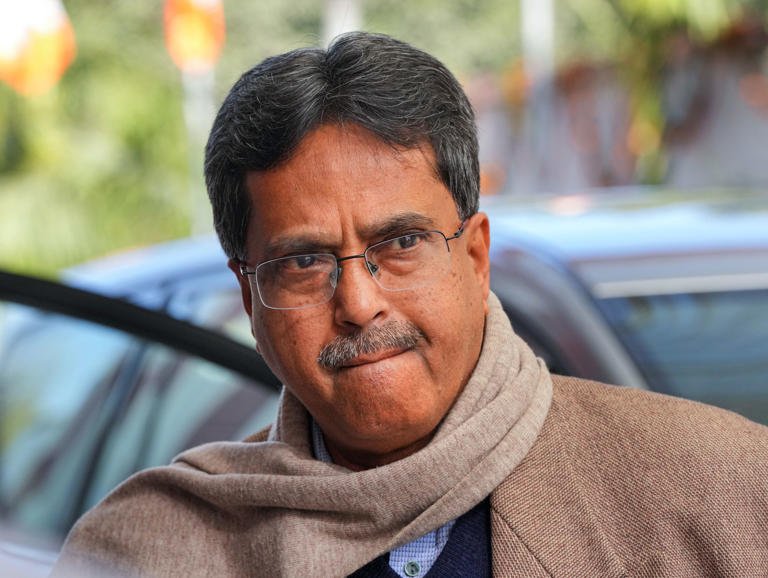
In a significant boost to healthcare and medical education in Tripura, Chief Minister Manik Saha has announced that the Central Government has approved the proposal for the establishment of a Government Ayurvedic Medical College in the state. The approval marks a major milestone in Tripura’s efforts to strengthen its healthcare infrastructure, promote traditional systems of medicine, and expand opportunities for students seeking education in the AYUSH sector.
The proposed institution is expected to play a crucial role in advancing Ayurvedic education, research, and healthcare services in the state. Officials believe that the college will not only create new academic opportunities for aspiring medical students but also contribute to the wider integration of traditional and modern healthcare systems.
The development has been welcomed as a significant achievement for Tripura, reflecting growing recognition of the importance of Ayurveda and other traditional medical systems in India’s healthcare framework.
Major Boost for AYUSH Education
The establishment of a Government Ayurvedic Medical College is expected to strengthen the educational landscape of Tripura by providing students with access to professional training in Ayurveda within the state itself.
Until now, many students interested in pursuing Ayurvedic studies often had to seek admission in institutions located outside Tripura. The new college will enable local students to access specialized education closer to home while reducing the financial and logistical challenges associated with studying elsewhere.
Chief Minister Manik Saha emphasized that the institution would contribute to the development of skilled healthcare professionals trained in traditional medicine. The college is expected to offer structured academic programs designed to meet national standards while promoting scientific understanding of Ayurvedic principles and practices.
The initiative aligns with broader efforts to expand educational opportunities and strengthen professional healthcare training across the state.
Strengthening Healthcare Infrastructure
The approval of the Ayurvedic Medical College is also expected to contribute significantly to Tripura’s healthcare infrastructure. Ayurveda continues to be widely practiced and trusted by large sections of the population, particularly for preventive healthcare and holistic treatment approaches.
The proposed institution is likely to include teaching facilities, clinical training centers, and associated healthcare services that can benefit both students and the general public. Such facilities can help improve access to Ayurvedic treatment while supporting healthcare delivery in the region.
Officials believe that integrating traditional medicine with broader healthcare initiatives can contribute to more comprehensive and patient-centered care. The new college is expected to become an important center for healthcare services, education, and community outreach.
The project represents a step toward strengthening healthcare accessibility and expanding treatment options available to citizens.
Promoting Traditional Systems of Medicine
The approval reflects the growing national emphasis on promoting traditional systems of medicine under the AYUSH framework, which includes Ayurveda, Yoga, Naturopathy, Unani, Siddha, and Homeopathy.
Over the past decade, there has been increasing recognition of the role that traditional healthcare systems can play in preventive medicine, wellness promotion, and holistic health management. Government initiatives have sought to strengthen education, research, and institutional support for these disciplines.
The proposed Ayurvedic Medical College in Tripura is expected to contribute to these objectives by creating a dedicated platform for academic learning and clinical practice. Students will have opportunities to study traditional medical knowledge while engaging with modern research and evidence-based approaches.
The institution is also expected to help preserve and promote India’s rich heritage of traditional healing practices.
Expanding Opportunities for Students
One of the most significant benefits of the project is the opportunity it will provide to aspiring medical students. Demand for medical education continues to grow across the country, and the establishment of new institutions can help address this need.
The Ayurvedic Medical College is expected to create additional seats for students interested in pursuing careers in traditional medicine. This will not only expand educational access but also contribute to the development of a skilled healthcare workforce.
Students graduating from the institution may find opportunities in clinical practice, research, teaching, healthcare administration, public health initiatives, and wellness services. The AYUSH sector has witnessed increasing growth in recent years, creating new career pathways for qualified professionals.
Officials believe that the college will encourage greater participation in healthcare education and support human resource development in the medical field.
Economic and Social Benefits
Beyond healthcare and education, the establishment of the institution is expected to generate broader economic and social benefits. Large educational and healthcare projects often contribute to local development through infrastructure creation, employment generation, and increased economic activity.
The college is likely to create direct and indirect employment opportunities for faculty members, healthcare professionals, administrative staff, and support personnel. Additional economic benefits may arise from related services and activities associated with the institution.
The presence of a specialized medical college can also contribute to regional development by attracting students, researchers, and professionals from different parts of the country. Such institutions often serve as centers of knowledge, innovation, and community engagement.
Officials expect the project to have a positive impact on both the healthcare sector and the broader economy of Tripura.
Supporting Research and Innovation
Research is expected to be an important component of the proposed Ayurvedic Medical College. The institution can provide a platform for scientific investigation into traditional medical practices, medicinal plants, and integrative healthcare approaches.
Tripura’s rich biodiversity and natural resources offer significant potential for research related to herbal medicine and traditional therapeutic systems. The college could contribute to efforts aimed at documenting, validating, and promoting indigenous knowledge through systematic study.
Research activities can also support innovation in healthcare and strengthen the evidence base for Ayurvedic treatments. By encouraging academic inquiry and collaboration, the institution may emerge as a valuable center for knowledge generation.
Officials have highlighted the importance of combining traditional wisdom with modern scientific methodologies to enhance healthcare outcomes.
Alignment with National Healthcare Goals
The project aligns with the broader vision of expanding healthcare access and promoting diverse medical systems across India. The Central Government has consistently emphasized the importance of strengthening AYUSH institutions and integrating traditional medicine into national healthcare strategies.
The approval of the Ayurvedic Medical College demonstrates continued efforts to expand educational infrastructure and improve healthcare services in the Northeastern region. Such initiatives contribute to regional development while supporting national objectives related to health, education, and human resource development.
The institution is expected to complement existing healthcare infrastructure and provide additional options for medical education and treatment.
Government leaders have expressed confidence that the project will contribute positively to the state’s long-term development goals.
Looking Ahead
The Central Government’s approval for establishing a Government Ayurvedic Medical College in Tripura marks a significant achievement for the state and a major step forward in strengthening healthcare and medical education. The institution is expected to create opportunities for students, expand healthcare services, promote traditional medicine, and contribute to regional development.
Chief Minister Manik Saha’s announcement reflects the growing importance being placed on AYUSH education and the role of traditional healthcare systems in supporting public health. As plans move toward implementation, stakeholders remain optimistic about the transformative impact the college could have on healthcare delivery, research, and professional education.
For Tripura, the project represents not only an investment in infrastructure but also an investment in human capital, healthcare accessibility, and future growth. Once operational, the institution is expected to serve as a center of excellence that supports education, innovation, and holistic healthcare while contributing to the state’s broader development aspirations.