

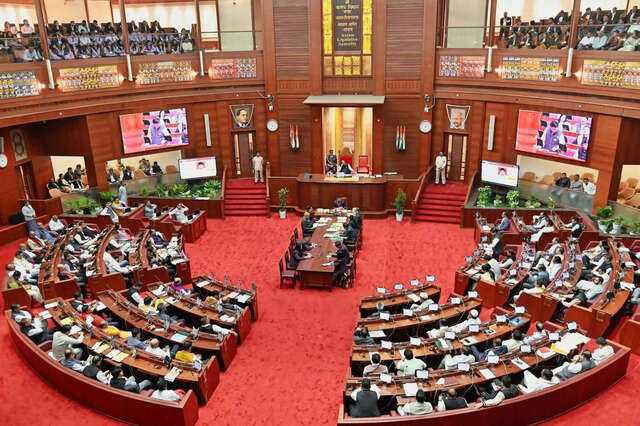
The Assam Legislative Assembly is set to convene its budget session in July, marking an important phase in the state’s governance and legislative calendar. The upcoming session is expected to witness extensive discussions on financial planning, developmental priorities, policy initiatives, and key issues affecting the people of Assam. Legislators from both the ruling party and the opposition are likely to participate actively in debates that will shape the state’s administrative and economic agenda for the coming months.
The budget session is traditionally one of the most significant sittings of the Assembly as it provides the government an opportunity to present its fiscal strategy, review developmental achievements, and outline future plans. It also serves as a platform for elected representatives to raise public concerns, scrutinize government policies, and contribute to discussions on matters of statewide importance.
With Assam continuing to witness rapid economic growth, infrastructure expansion, and social development initiatives, expectations are high regarding the issues that will be addressed during the session.
Importance of the Budget Session
The budget session occupies a central place in the functioning of any legislative assembly. It provides a constitutional platform for discussing the state’s financial management, expenditure priorities, and developmental objectives.
During the session, legislators examine budgetary allocations for various departments and sectors, including education, healthcare, agriculture, infrastructure, rural development, social welfare, and industry. Such discussions help ensure transparency and accountability in the utilization of public resources.
The Assembly session also allows members to seek clarifications from the government regarding policy decisions and implementation progress. Through debates and discussions, lawmakers can evaluate the effectiveness of ongoing programs and propose measures for improvement.
For citizens, the budget session serves as an important democratic process through which public concerns and aspirations find representation within the legislative framework.
Focus on Developmental Priorities
The upcoming session is expected to focus heavily on developmental priorities that are central to Assam’s growth trajectory. Over the past few years, the state has witnessed significant investments in infrastructure, industry, education, healthcare, and connectivity.
Legislators are likely to discuss the progress of major projects, evaluate developmental outcomes, and identify areas requiring additional attention. The government may also outline strategies aimed at sustaining economic momentum and ensuring inclusive growth across urban and rural regions.
Infrastructure development, including roads, bridges, urban modernization projects, and transportation networks, is expected to feature prominently in discussions. These sectors remain critical for improving connectivity and facilitating economic activity.
Officials have emphasized that sustained investments in development are essential for enhancing quality of life and creating opportunities for future generations.
Economic Growth and Fiscal Planning
Assam’s economy has undergone significant transformation in recent years, attracting increased investments and experiencing growth across multiple sectors. The budget session is expected to provide insights into the government’s fiscal strategy and its plans for supporting continued economic expansion.
Lawmakers are likely to deliberate on revenue generation, expenditure management, and measures aimed at strengthening the state’s financial position. Discussions may also focus on strategies for promoting industrial growth, encouraging entrepreneurship, and attracting further investments.
The government has consistently highlighted the importance of maintaining fiscal discipline while ensuring adequate funding for development programs. Balancing these priorities remains a key challenge for policymakers.
The budget session will therefore provide an opportunity to review financial performance and assess how resources can be utilized effectively to achieve long-term objectives.
Agriculture and Rural Development in Focus
Agriculture continues to play a vital role in Assam’s economy and remains a major source of livelihood for a significant portion of the population. Issues related to agricultural productivity, irrigation, rural infrastructure, and farmer welfare are expected to receive attention during the session.
Legislators may discuss initiatives aimed at supporting farmers, improving market access, enhancing agricultural value chains, and promoting sustainable farming practices. Rural development programs designed to improve living conditions and generate employment opportunities are also likely to feature in debates.
The government has repeatedly emphasized the importance of strengthening rural economies as part of its broader development agenda. Investments in agriculture and allied sectors are viewed as essential for ensuring balanced and inclusive growth.
Discussions on these topics are expected to reflect the state’s commitment to supporting rural communities and enhancing livelihoods.
Strengthening Social Sector Investments
Education, healthcare, and social welfare remain key priorities for the Assam government, and these sectors are likely to be central themes during the budget session. Legislators are expected to review ongoing programs and examine future plans aimed at improving public service delivery.
In the education sector, discussions may focus on infrastructure upgrades, teacher recruitment, digital learning initiatives, and measures to improve educational outcomes. Healthcare-related debates could address hospital infrastructure, medical services, public health initiatives, and access to healthcare in remote areas.
Social welfare schemes targeting women, children, senior citizens, and economically disadvantaged groups are also expected to come under review. The government may present updates on ongoing initiatives and outline additional measures to strengthen social protection systems.
Investments in human development remain critical for achieving long-term progress and improving overall quality of life.
Legislative Oversight and Accountability
Beyond financial matters, the budget session provides an important mechanism for legislative oversight. Members of the Assembly have the opportunity to question ministers, seek explanations regarding government decisions, and hold the administration accountable for its actions.
Question Hour, discussions, and debates enable legislators to highlight issues affecting their constituencies and advocate for solutions. This process strengthens democratic governance by ensuring that government policies remain subject to scrutiny and public accountability.
Opposition parties are expected to raise concerns related to governance, policy implementation, and public administration, while the ruling party will likely highlight achievements and ongoing development efforts.
Such exchanges contribute to informed policymaking and reinforce the role of the Assembly as a forum for democratic dialogue.
Emerging Challenges and Opportunities
The upcoming session is also expected to address emerging challenges and opportunities facing Assam. Issues such as urbanization, climate resilience, employment generation, technological advancement, and sustainable development are becoming increasingly important in policy discussions.
As Assam seeks to position itself as a leading economic hub in Northeast India, lawmakers may explore strategies for leveraging new opportunities while addressing existing constraints. Discussions on innovation, digital transformation, industrial diversification, and environmental sustainability could feature prominently.
The state government’s long-term vision for growth will likely be reflected in the policy priorities presented during the session. Legislators are expected to examine how these strategies can be implemented effectively and equitably.
The Assembly’s deliberations will play an important role in shaping future development pathways.
Expectations from Stakeholders
Citizens, businesses, civil society organizations, and various stakeholder groups will closely follow the proceedings of the budget session. Expectations are high regarding announcements related to infrastructure, employment, education, healthcare, and economic development.
Many stakeholders view the session as an opportunity for the government to address pressing concerns and outline a clear roadmap for future progress. Transparent communication regarding policies and budgetary allocations can help strengthen public confidence and encourage broader participation in development initiatives.
The session is also expected to provide insights into how the government plans to navigate economic and social challenges while maintaining growth momentum.
Looking Ahead
The commencement of the Assam Legislative Assembly budget session in July marks an important milestone in the state’s governance calendar. The session will provide a platform for meaningful discussions on financial planning, developmental priorities, public welfare, and legislative accountability.
As Assam continues its journey of economic transformation and social progress, the decisions and deliberations emerging from the Assembly will have significant implications for the state’s future. Policymakers, legislators, and stakeholders alike will be focused on ensuring that governance remains responsive to public needs and aligned with long-term development goals.
With critical issues on the agenda and high expectations from citizens, the budget session is poised to play a crucial role in shaping Assam’s next phase of growth, development, and inclusive prosperity.