

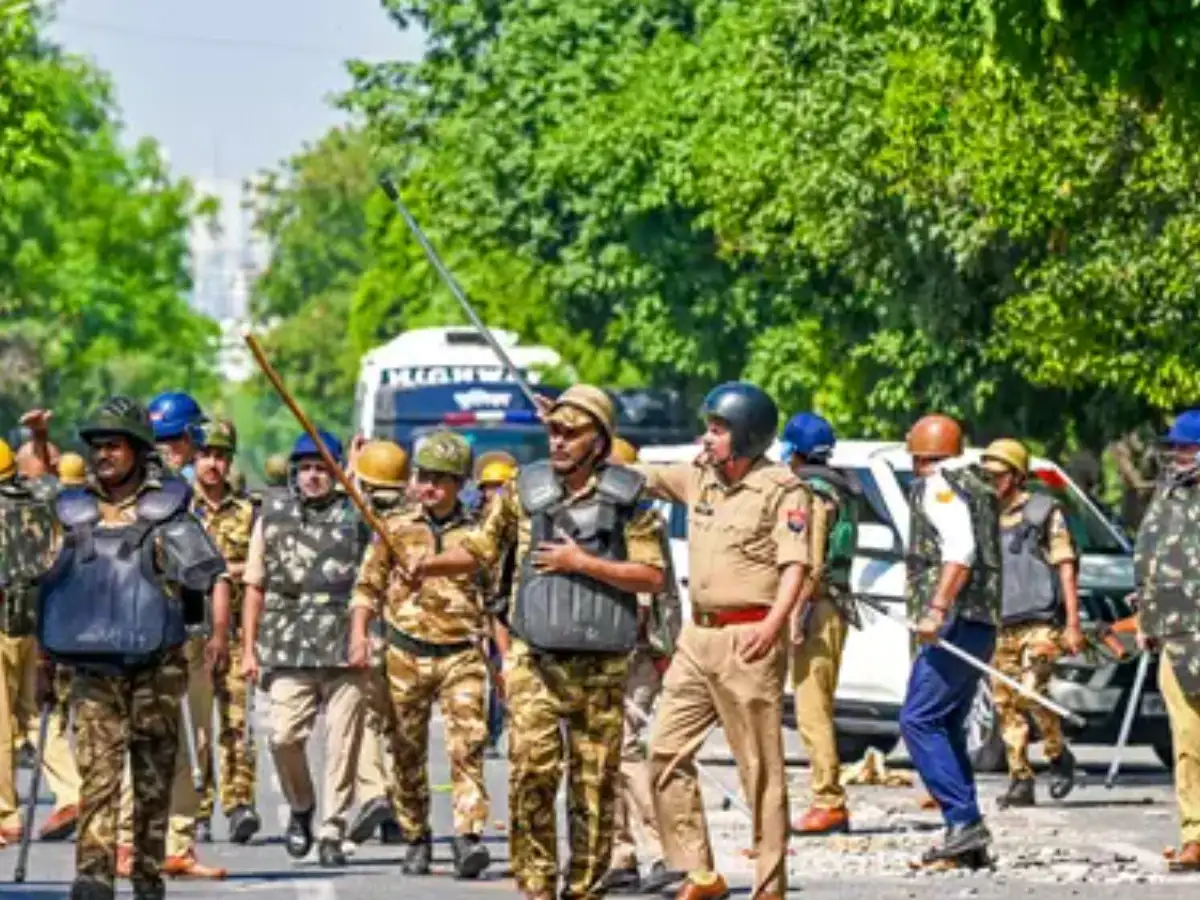
Tensions have reportedly resurfaced along the Assam-Arunachal Pradesh border in Dhemaji following allegations of land encroachment in the reserved forest area of Panbari. The development has renewed concerns over inter-state boundary disputes and the management of forest land in the region.
The reported incident has brought Assam and Arunachal Pradesh border issues back into focus. Moreover, disputes involving land and forest boundaries can quickly create tensions among communities when competing claims remain unresolved.
Authorities will need to maintain communication and prevent the situation from escalating while examining the allegations through established administrative and legal mechanisms.
FM Sitharaman Asks Banks to Boost Financial Literacy for MUDRA Beneficiaries
Tensions Rise in Panbari Forest Area
The Assam Arunachal border clash reportedly emerged around the Panbari reserved forest area in Dhemaji.
The dispute centres on allegations of land encroachment within the forest area. Furthermore, the location’s proximity to the inter-state boundary adds complexity to the situation.
Authorities may need to establish the precise status of the disputed land before determining responsibility.
Encroachment Allegations Trigger Dispute
Land encroachment allegations can create significant tensions in areas where administrative boundaries remain sensitive.
In this case, concerns reportedly emerged over activity within the Panbari reserved forest area. Additionally, competing claims regarding land use can affect both forest protection and relations between neighbouring communities.
A factual assessment of the land records and boundary demarcation will remain important.
Assam-Arunachal Border Remains Sensitive
The Assam-Arunachal Pradesh boundary has experienced disputes over land and administrative jurisdiction over the years.
Several areas along the border have required intervention by officials from both states. Moreover, local-level disagreements can sometimes intensify when residents perceive encroachment or changes in land use.
Maintaining communication between state administrations remains essential.
Reserved Forest Status Adds Environmental Concern
The reported dispute also involves a reserved forest area.
Forest protection laws impose restrictions on land use and activities within protected forest zones. Furthermore, any alleged encroachment requires examination not only from a boundary perspective but also from an environmental and legal standpoint.
Authorities may need to conduct a joint assessment of the affected area.
Local Communities Face Uncertainty
Border disputes can directly affect communities living near inter-state boundaries.
Residents may face uncertainty over land access, cultivation, movement, and administrative jurisdiction. Additionally, tensions between communities can increase if authorities fail to communicate clearly about land ownership or boundary status.
Prompt administrative intervention can help prevent local disagreements from becoming wider conflicts.
Need for Joint Administrative Action
Both Assam and Arunachal Pradesh authorities may need to cooperate in addressing the dispute.
Joint inspections, land-record verification, and communication between district administrations can help establish facts. Moreover, coordinated action can reduce the possibility of conflicting instructions from officials in the two states.
A cooperative approach could help restore calm.
Forest Protection Requires Strong Monitoring
The dispute also highlights the importance of monitoring reserved forest areas near state boundaries.
Forest officials can use field inspections, satellite imagery, and updated land records to identify changes in land use. Furthermore, regular monitoring can help authorities detect potential encroachment before disputes escalate.
Effective forest management can support both conservation and administrative stability.
Boundary Verification Could Prevent Future Disputes
Clear demarcation can play an important role in reducing recurring border tensions.
Authorities can use official maps, survey records, and joint verification mechanisms to establish the status of disputed areas. Additionally, transparent communication with affected communities can reduce confusion over jurisdiction.
Long-term clarity could help prevent similar incidents.
Situation Requires Restraint
With tensions reportedly rising, authorities will need to prioritise peaceful resolution.
Avoiding confrontation can protect residents and allow officials to investigate the underlying allegations. Moreover, dialogue between the two state governments can create space for resolving disagreements through established mechanisms.
The immediate priority remains preventing escalation.
What Happens Next?
Authorities are likely to focus on verifying the encroachment allegations and assessing the status of the Panbari forest area.
A joint inspection or administrative review could help determine the facts. Furthermore, senior officials from Assam and Arunachal Pradesh may need to coordinate if the dispute involves questions of inter-state jurisdiction.
The findings could guide further action.
Conclusion
The Assam Arunachal border clash has brought renewed attention to tensions in Dhemaji following allegations of land encroachment in the Panbari reserved forest area. The situation highlights the continuing sensitivity of land and forest issues along the inter-state boundary.
Moreover, joint verification and administrative coordination could help establish the facts and prevent further escalation. At the same time, authorities must protect the reserved forest while respecting lawful land and boundary arrangements.
Overall, peaceful dialogue, accurate boundary verification, and effective forest monitoring will remain essential to resolving the latest dispute and preventing similar tensions in the future.
FAQs
1. Where did the latest Assam-Arunachal dispute reportedly occur?
The reported tensions occurred in the Dhemaji area of Assam, around the Panbari reserved forest region.
2. What triggered the dispute?
The situation reportedly followed allegations of land encroachment within the reserved forest area.
3. Why is the area sensitive?
The location lies near the Assam-Arunachal Pradesh inter-state boundary, where land and jurisdictional issues can become contentious.
4. How can authorities resolve the dispute?
Joint inspections, land-record verification, boundary assessment, and communication between the two state administrations could help establish the facts.
5. Why does the forest status matter?
Reserved forest status creates additional legal and environmental considerations regarding land use and encroachment.