

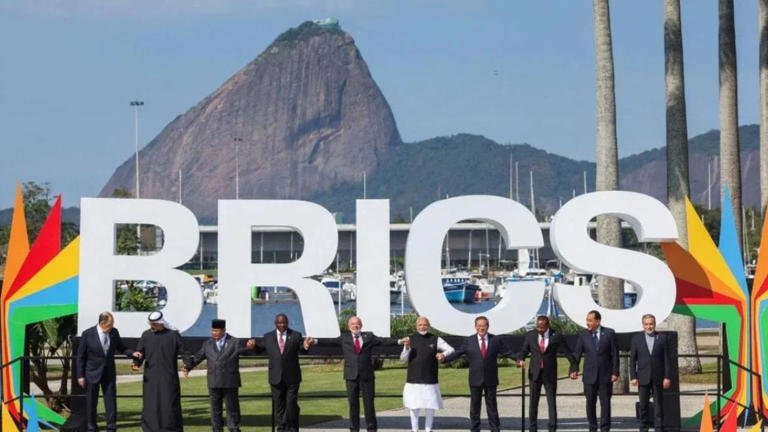
India has the potential to double its exports to BRICS nations and achieve a trade milestone of $200 billion by 2030, according to a recent assessment by the Associated Chambers of Commerce and Industry of India (Assocham). The industry body believes that growing economic cooperation, expanding market access, stronger supply chains, and increasing demand for Indian products can significantly boost the country’s export performance within the BRICS grouping over the coming years.
The projection comes at a time when India is actively pursuing new trade opportunities and seeking to strengthen economic engagement with emerging markets. As one of the world’s fastest-growing major economies, India is increasingly positioning itself as a key player in global trade, manufacturing, technology, and services.
According to Assocham, the BRICS grouping presents a unique opportunity for India to diversify export destinations, enhance economic resilience, and expand its presence in some of the world’s most dynamic markets.
Growing Importance of BRICS in Global Trade
The BRICS grouping has emerged as one of the most influential economic blocs in the world. Comprising major emerging economies, the grouping accounts for a substantial share of global population, economic output, and international trade.
Over the years, BRICS countries have strengthened cooperation across sectors including trade, investment, finance, technology, infrastructure, and sustainable development. The economic significance of the bloc has increased further with the inclusion of new member countries and expanding collaboration among participating nations.
Assocham noted that the growing economic weight of BRICS creates significant opportunities for Indian exporters. Rising incomes, expanding consumer markets, and increasing industrial demand across member countries provide favorable conditions for boosting trade volumes.
The industry body believes that deeper economic integration within the grouping can serve as a major driver of India’s export growth strategy over the next decade.
India’s Expanding Export Ambitions
India has set ambitious goals for increasing its global trade footprint and enhancing its competitiveness in international markets. Policymakers have consistently emphasized exports as a critical engine of economic growth, employment generation, and industrial development.
The country has made significant progress in expanding exports across sectors such as pharmaceuticals, engineering goods, information technology services, textiles, chemicals, agricultural products, and electronics. Continued improvements in manufacturing capacity, infrastructure, and logistics are expected to support further growth.
According to Assocham, BRICS markets represent an important avenue for achieving these objectives. Increased exports to member countries could help India diversify trade relationships and reduce dependence on traditional export destinations.
The industry body highlighted that stronger trade engagement with BRICS nations aligns well with India’s broader economic aspirations and global trade ambitions.
Key Sectors Driving Export Growth
Assocham identified several sectors that could contribute significantly to the projected increase in exports. Engineering goods, machinery, pharmaceuticals, chemicals, automobiles, textiles, agricultural products, food processing, and information technology services are expected to remain among the leading contributors.
India’s pharmaceutical sector, in particular, enjoys strong international recognition for producing high-quality and affordable medicines. Growing healthcare demand across BRICS countries could create additional opportunities for Indian manufacturers.
Similarly, engineering and industrial products have witnessed increasing acceptance in international markets due to improvements in quality, competitiveness, and production capabilities.
Agricultural exports, including processed food products, spices, tea, coffee, rice, and marine products, also hold substantial potential. Rising consumer demand and evolving consumption patterns across BRICS economies may further strengthen prospects for Indian exporters.
The industry body believes that continued innovation and value addition will be essential for maximizing opportunities in these sectors.
Opportunities Through Economic Cooperation
One of the key factors supporting Assocham’s projection is the potential for deeper economic cooperation among BRICS nations. Trade facilitation measures, improved connectivity, streamlined customs procedures, and enhanced financial collaboration can help reduce barriers and encourage greater commercial activity.
The organization emphasized the importance of creating a more conducive environment for businesses seeking to expand operations across BRICS markets. Strengthening institutional frameworks and promoting business-to-business partnerships could significantly boost trade flows.
Collaborative initiatives in areas such as digital commerce, supply chain integration, infrastructure development, and technology transfer may also contribute to increased economic engagement.
Assocham noted that cooperation among BRICS members can generate mutual benefits while supporting broader goals of sustainable and inclusive growth.
Strengthening Manufacturing and Supply Chains
India’s manufacturing sector is expected to play a crucial role in achieving the export target. Government initiatives aimed at boosting domestic production, improving industrial competitiveness, and attracting investments have contributed to strengthening manufacturing capabilities.
Programs focused on infrastructure development, logistics modernization, and industrial expansion are helping create a more efficient production ecosystem. These improvements are expected to enhance India’s ability to serve growing demand across international markets.
Assocham highlighted the importance of integrating Indian businesses into global and regional supply chains. Stronger supply chain linkages can improve market access, reduce costs, and increase competitiveness.
The industry body believes that continued investments in manufacturing and logistics will be essential for sustaining export growth over the coming years.
Digital Trade and Technology as Emerging Drivers
Technology and digital trade are increasingly shaping the future of global commerce. India has emerged as a leading digital economy with significant strengths in information technology, software services, fintech, and digital innovation.
Assocham observed that digital platforms and technology-driven trade solutions can create new opportunities for businesses seeking access to BRICS markets. Cross-border digital commerce, technology services, and innovation partnerships are expected to become important components of future trade relationships.
The rapid growth of digital economies across BRICS nations provides favorable conditions for expanding cooperation in technology-related sectors. Indian companies are well-positioned to leverage their expertise and capabilities in these areas.
The industry body emphasized that digital transformation will continue to influence trade patterns and create new avenues for economic engagement.
Challenges and Areas of Focus
While the outlook remains positive, Assocham acknowledged that achieving the $200 billion export target will require sustained efforts to address existing challenges. Trade barriers, logistical bottlenecks, regulatory complexities, and market access issues continue to affect international commerce.
The organization stressed the importance of policy reforms, infrastructure upgrades, and enhanced trade facilitation measures to support exporters. Improving ease of doing business and reducing transaction costs can help strengthen India’s competitive position.
Capacity building for small and medium enterprises, greater access to finance, and export promotion initiatives will also be important in expanding participation in international trade.
According to Assocham, overcoming these challenges through coordinated action can significantly improve export performance and accelerate progress toward the 2030 target.
Looking Ahead
The prospect of doubling exports to BRICS nations and reaching $200 billion by 2030 highlights the growing importance of emerging markets in India’s trade strategy. As global economic dynamics continue to evolve, BRICS countries offer substantial opportunities for expanding commercial engagement and strengthening economic partnerships.
Assocham’s assessment reflects optimism about India’s ability to capitalize on its manufacturing strengths, technological capabilities, and expanding global presence. Increased cooperation, stronger supply chains, improved infrastructure, and supportive policy measures are expected to play vital roles in achieving the projected growth.
For India, expanding exports to BRICS nations represents more than a trade objective. It is part of a broader vision to strengthen economic resilience, promote industrial development, generate employment, and enhance the country’s position in the global economy.
If current momentum continues and strategic initiatives are effectively implemented, India could emerge as one of the leading beneficiaries of growing economic cooperation within the BRICS framework, turning the goal of $200 billion in exports into a realistic and achievable milestone by the end of the decade.