

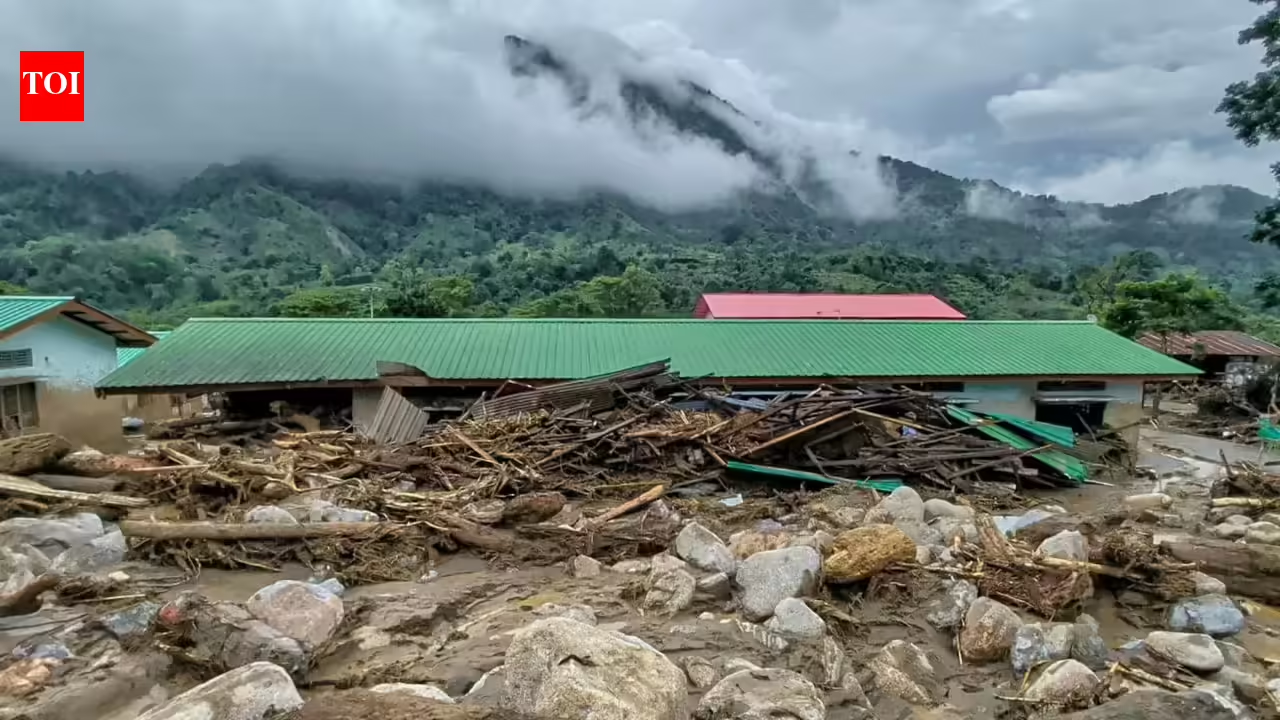
Torrential monsoon downpours have triggered multiple landslides across critical corridors, temporarily severing key inter-state highway links between Assam and Arunachal Pradesh. The disruption has significantly impacted transportation, emergency logistics, and supply movement between the two states. Moreover, the situation highlights the vulnerability of hill highway infrastructure during peak monsoon conditions and the urgent need for rapid clearance and restoration operations.
Assam Opposition Alliance Holds Strategic Meetings
Meghalaya Strengthens El Niño Preparedness with Focus on Food and Water Security
Landslides Block Strategic Transport Corridors
Continuous heavy rainfall has led to slope failures and debris accumulation along major highway stretches connecting Assam with Arunachal Pradesh. Consequently, several road sections have become impassable due to rockfalls, mudslides, and soil erosion.
According to preliminary field reports, multiple critical points along inter-state routes have been affected, resulting in temporary suspension of vehicular movement. Moreover, stranded vehicles and blocked pathways have further complicated clearance efforts. Therefore, immediate restoration of connectivity has become a priority for disaster response and public works teams.
Authorities noted that ongoing rainfall continues to pose risks to already weakened hill slopes. As a result, repair and clearance operations are being conducted cautiously to ensure the safety of personnel involved.
Meanwhile, traffic diversions and alternate routing measures have been implemented where feasible.
Transport and Supply Chains Face Disruption
The temporary severing of highway connectivity has disrupted the movement of essential goods, emergency supplies, and passenger transport between Assam and Arunachal Pradesh. Moreover, delays in logistics have affected both commercial transport operators and local communities dependent on regular supply chains. Therefore, the economic and social impact of the disruption is becoming increasingly evident.
Transport analysts observed that inter-state highways in hilly terrain are particularly susceptible to monsoon-induced blockages. Consequently, even short-term disruptions can have cascading effects on trade, mobility, and emergency response operations. Such challenges underscore the importance of resilient infrastructure design and proactive maintenance strategies.
Furthermore, emergency supplies and relief materials may face delays in reaching remote areas. As a result, authorities are prioritizing the restoration of high-impact transport corridors.
Meanwhile, coordination between transport departments and disaster response agencies continues to intensify.
Restoration and Clearance Operations Intensified
Public Works Departments and disaster response teams have launched intensified clearance operations to restore blocked highway segments. Moreover, heavy machinery and ground crews have been deployed to remove debris, stabilize slopes, and reopen traffic routes. Therefore, restoration efforts remain ongoing across multiple affected locations.
Officials emphasized that work is being carried out in phases due to persistent rainfall and the risk of secondary landslides. Consequently, safety considerations are guiding operational timelines. Such conditions often slow down restoration but are necessary to ensure personnel safety.
Furthermore, priority is being given to reopening critical lifeline routes that connect district headquarters, health facilities, and supply hubs. As a result, partial restoration is expected before full connectivity is achieved.
Meanwhile, monitoring systems remain active to track further slope instability.
Vulnerability of Hill Infrastructure Highlighted
The incident once again underscores the vulnerability of infrastructure in mountainous regions during extreme monsoon conditions. Moreover, recurring landslides along inter-state highways highlight the need for long-term mitigation strategies. Therefore, infrastructure resilience remains a key policy concern.
Experts noted that climate variability, deforestation, and terrain instability contribute to frequent slope failures in the region. Consequently, governments are increasingly focusing on engineering solutions such as retaining walls, improved drainage systems, and slope stabilization measures. Such interventions are essential for reducing future disruption risks.
Furthermore, early warning systems and real-time monitoring could improve response times and minimize damage. As a result, integrated disaster management planning is being emphasized.
Conclusion
The temporary severing of key highway connections between Assam and Arunachal Pradesh due to landslides reflects the severe impact of ongoing monsoon conditions on critical infrastructure. Moreover, the disruption highlights the urgent need for sustained restoration efforts and long-term resilience planning in vulnerable hill regions.
As clearance operations continue, authorities remain focused on restoring connectivity, ensuring safety, and minimizing supply chain disruptions. Therefore, the situation is expected to remain under close monitoring until full transportation links are re-established.
The latest disruption reinforces the importance of climate-resilient infrastructure, rapid response mechanisms, and coordinated inter-state disaster management.
FAQs
1. What caused the highway disruption?
Torrential monsoon rains triggered landslides that blocked key inter-state highways.
2. Which states are affected?
Connectivity between Assam and Arunachal Pradesh has been impacted.
3. What is the main impact of the disruption?
Transport, supply chains, and passenger movement have been temporarily halted.
4. What steps are being taken?
Clearance operations using heavy machinery and slope stabilization work are underway.
5. Why are landslides common in this region?
Heavy rainfall, fragile terrain, and environmental factors make hill highways vulnerable.