

A fresh controversy has emerged around the rapidly growing online movement known as the Cockroach Janta Party (CJP), after a lawyer moved to register the organisation separately with the Election Commission of India (ECI), creating uncertainty over ownership and future control of the platform’s identity. The move comes at a time when the satirical political collective has gained nationwide attention through social media and youth engagement.
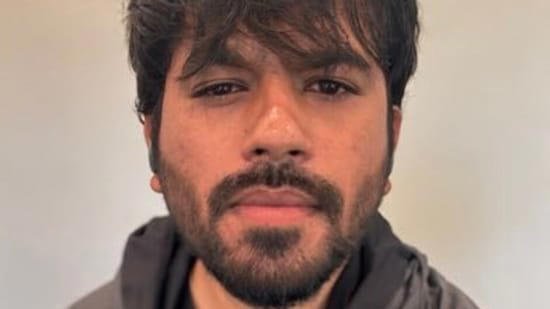
According to reports, the application was submitted independently of the group’s founder, Abhijeet Dipke, who is currently based in the United States. The development has triggered discussion over representation, legal identity, and whether a fast-growing online movement can face competing claims even before formal political registration takes shape.
The latest move adds another layer of complexity to a platform that has already attracted legal scrutiny, online restrictions, and increasing public attention.
Lawyer Moves Election Commission for Separate Registration
Reports said Haryana-based lawyer Sudhir Jakhar submitted an application before the Election Commission seeking registration of the Cockroach Janta Party under Section 29A of the Representation of the People Act. The application reportedly identifies Jakhar as the party’s national convener and carries the party’s cockroach symbol.
The move has drawn attention because the original movement was publicly associated with founder Abhijeet Dipke, who launched the initiative as a satirical and youth-focused political platform. The separate registration request has therefore raised questions over who may eventually control the organisation’s branding and political identity.
Reports also suggested that a successful registration could potentially strengthen claims over official digital presence and public recognition associated with the movement.
Cockroach Janta Party Emerged as Viral Youth Movement
The Cockroach Janta Party gained rapid visibility after launching earlier this month and quickly developed a large online following through satire, memes, and commentary around youth concerns. The movement positioned itself around issues such as unemployment, economic uncertainty, and public participation.
The name itself emerged following public debate around remarks attributed to Chief Justice Surya Kant regarding unemployed youth, which later became a widely discussed issue across digital platforms. Supporters adopted the term as a form of online expression and political commentary.
Within days of its launch, the movement reportedly attracted millions of followers and significant engagement, making it one of the most discussed online political trends in recent weeks.
Registration Bid Adds New Questions Around Ownership
The application filed before the Election Commission has introduced questions regarding legal ownership and organisational control.
Observers noted that viral digital movements often operate informally in their early stages, but registration attempts can create competing claims over identity and structure. In this case, the issue appears more significant because the movement grew primarily through social media before establishing any formal political framework.
Reports suggested that the separate registration attempt could create confusion regarding leadership and future direction if competing entities continue to claim association with the same name.
The matter has therefore attracted attention beyond political circles and opened broader discussion about how digital movements evolve into formal organisations.
Founder Already Facing Legal and Digital Challenges
The development comes amid a series of challenges involving the original founder.
Abhijeet Dipke recently approached the Delhi High Court after alleging that social media restrictions affected the movement’s digital presence. He claimed that official accounts faced blocking actions and questioned the basis of such decisions.
Earlier reports also indicated that the movement’s website became inaccessible, leading Dipke to criticise the action publicly and raise concerns regarding digital expression.
These developments have increased attention around the movement and contributed to wider discussions regarding online political participation.
Political and Legal Interest Around CJP Continues to Grow
Alongside the registration controversy, the Cockroach Janta Party has also appeared in legal and political conversations in recent days.
Separate proceedings and petitions linked to the movement have reached courts, while public debate continues regarding satire, digital activism, and political participation. Reports indicate that concerns raised in different forums include issues relating to online activity and use of the movement’s identity.
Observers believe that the rapid growth of such platforms reflects changing forms of political engagement among younger audiences.
At the same time, developments around registration and legal recognition may influence how similar digital movements operate in the future.
Registration Move Creates New Chapter for Viral Movement
The attempt to register the Cockroach Janta Party separately from its US-based founder has created a new twist in one of India’s most closely watched online political stories.
While the Election Commission process and any future claims remain subject to legal and procedural review, the episode has highlighted how quickly internet-driven movements can transition into questions of ownership, representation, and formal recognition.
As the matter develops, attention remains focused on whether the movement remains an online phenomenon or moves toward a more formal political identity in the coming months.