

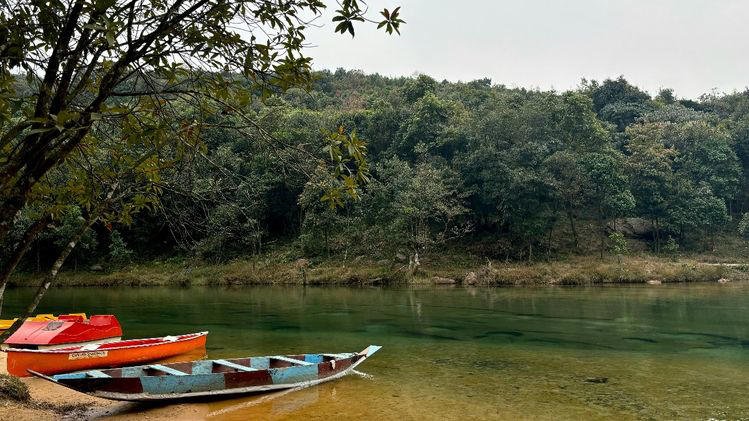
Meghalaya is increasingly turning to homestay tourism as a key driver of rural development, with the state government and local communities leveraging a tourism boom to create sustainable livelihood opportunities across villages and remote destinations. As visitor numbers continue to rise, homestays are emerging as an effective model for distributing tourism benefits beyond urban centers while preserving the state’s unique culture and natural heritage.
Known for its breathtaking landscapes, living root bridges, waterfalls, caves, and rich indigenous traditions, Meghalaya has become one of India’s fastest-growing tourism destinations. Officials believe that promoting homestays can help ensure that tourism growth directly benefits local communities by generating income, creating jobs, and encouraging entrepreneurship.
The strategy reflects a broader vision of community-based tourism that balances economic development with cultural preservation and environmental sustainability.
Tourism Sector Witnesses Strong Growth
Over the past several years, Meghalaya has experienced a steady increase in tourist arrivals. Travelers from across India and abroad are increasingly drawn to the state’s natural beauty, pleasant climate, adventure opportunities, and cultural attractions.
Popular destinations such as Shillong, Cherrapunji, Dawki, Mawlynnong, and the living root bridge villages continue to attract large numbers of visitors throughout the year.
Officials note that improved road connectivity, digital promotion, and growing interest in experiential travel have contributed to the sector’s expansion. Tourism has gradually become an important pillar of Meghalaya’s economy, supporting a range of businesses and services.
The increasing demand for accommodation has created opportunities for local families to participate directly in the tourism value chain through homestay operations.
Homestays Offer Direct Economic Benefits
Unlike conventional hotels, homestays allow tourists to stay with local families and experience the region’s culture, cuisine, and lifestyle firsthand. This model ensures that tourism revenue reaches households in villages and smaller communities.
Families operating homestays earn income through accommodation, meals, guided tours, transportation services, and the sale of local products. As a result, tourism creates multiple streams of economic activity within rural areas.
Officials believe homestays represent an inclusive form of tourism because they empower local residents to become entrepreneurs without requiring large investments.
The model also encourages community participation and helps ensure that tourism benefits are shared more widely across society.
Many rural families have successfully transformed spare rooms and traditional homes into welcoming accommodations for visitors.
Strengthening Rural Livelihoods
One of the primary reasons Meghalaya is promoting homestay tourism is its potential to strengthen rural livelihoods. Many villages depend on agriculture and allied activities as their primary source of income.
Tourism provides an additional economic opportunity that can complement existing livelihoods. During peak tourist seasons, homestays often generate substantial supplementary income for households.
Officials note that tourism-related earnings can improve financial security, support education expenses, and enhance living standards.
The growth of homestays also creates indirect employment opportunities in areas such as transportation, handicrafts, food production, guiding services, and local markets.
As tourism expands, rural communities increasingly view homestays as a sustainable source of economic development.
Preserving Culture Through Tourism
Homestays offer more than economic benefits. They also play an important role in preserving and showcasing Meghalaya’s cultural heritage.
Visitors staying in homestays often experience traditional food, local customs, indigenous architecture, music, and storytelling. This interaction helps promote cultural understanding while encouraging communities to maintain and celebrate their heritage.
Officials believe that community-based tourism can strengthen cultural pride and create incentives for preserving traditional practices.
Unlike mass tourism models, homestays allow travelers to engage more meaningfully with local communities. Consequently, tourists often gain a deeper appreciation of Meghalaya’s diverse cultural traditions.
Residents, in turn, benefit from sharing their heritage with visitors from different parts of the world.
Sustainable Tourism Gains Importance
Environmental sustainability remains a key consideration in Meghalaya’s tourism strategy. The state’s rich biodiversity and fragile ecosystems require careful management to ensure long-term preservation.
Homestays are often viewed as a more sustainable alternative to large-scale tourism infrastructure because they typically involve smaller footprints and greater community oversight.
Officials emphasize the importance of responsible tourism practices that protect natural resources while supporting economic growth.
Many homestay operators actively promote environmental awareness by encouraging waste management, conservation efforts, and eco-friendly practices.
The government believes that sustainable tourism can help balance development objectives with environmental protection.
Government Support for Homestay Operators
Recognizing the sector’s potential, the Meghalaya government has introduced initiatives aimed at supporting homestay development. These efforts include training programmes, capacity-building workshops, financial assistance schemes, and promotional campaigns.
Officials have worked to improve service standards while helping operators understand hospitality management, digital marketing, and visitor expectations.
Training programmes often focus on customer service, hygiene, safety, and sustainable tourism practices. Such support helps ensure that homestays remain competitive and attractive to travelers.
The government also promotes homestays through tourism campaigns designed to highlight authentic local experiences.
These initiatives aim to strengthen the sector while improving the quality of visitor experiences.
Women and Youth Benefit From Opportunities
Homestay tourism has created significant opportunities for women and young people in rural communities. Women often play leading roles in managing accommodations, preparing meals, and interacting with guests.
As a result, tourism contributes to greater economic participation and financial independence for many women.
Young people also benefit through employment opportunities related to guiding, transportation, hospitality services, and digital promotion.
Officials note that tourism can help reduce migration by creating viable livelihood options within local communities.
The sector therefore contributes not only to economic growth but also to broader social development objectives.
Challenges and Future Potential
Despite its success, the homestay sector faces several challenges. Infrastructure gaps, seasonal fluctuations in tourist arrivals, and the need for continuous skill development remain important concerns.
Officials acknowledge that improving road connectivity, internet access, and tourism facilities will be crucial for sustaining growth.
At the same time, there is considerable optimism regarding the sector’s future potential. Rising demand for authentic travel experiences continues to create opportunities for community-based tourism.
Experts believe Meghalaya is well-positioned to become a leading destination for homestay tourism in India due to its natural attractions and strong cultural identity.
Continued investment and policy support could further strengthen the sector.
Looking Ahead
Meghalaya’s growing emphasis on homestay tourism reflects a broader commitment to inclusive and sustainable development. By enabling local communities to participate directly in the tourism economy, the state is creating new opportunities for income generation, entrepreneurship, and cultural preservation.
The tourism boom has demonstrated that rural communities can play a central role in shaping the visitor experience while benefiting economically from the sector’s growth. Homestays provide a model that combines hospitality, heritage, and sustainability in a way that supports both residents and travelers.
As Meghalaya continues to attract visitors from across India and beyond, homestay tourism is expected to remain a key pillar of its development strategy. For many rural families, it represents not just a business opportunity but a pathway toward greater self-reliance and long-term prosperity.