

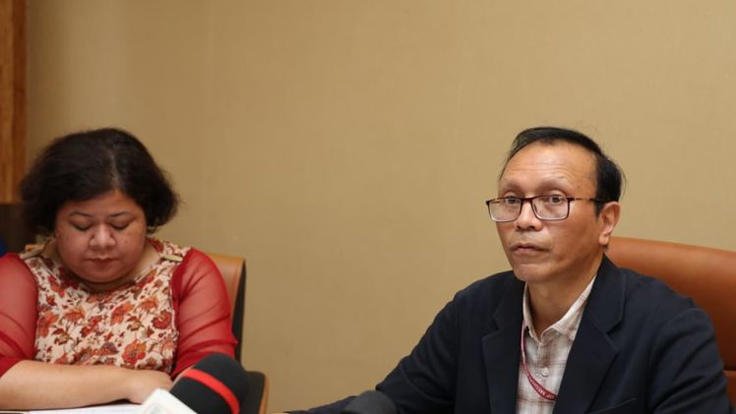
Meghalaya has completed more than 90 per cent of hearings under the ongoing Special Intensive Revision (SIR) of electoral rolls, with 910 electors found ineligible for inclusion in the Final Electoral Roll, according to the state Election Department. The latest figures were reviewed during a meeting chaired by Meghalaya Chief Electoral Officer B.D.R. Tiwari on September 29.
90.65% of SIR Hearings Completed
According to the Election Department, Meghalaya had 21,69,243 electors listed in the Draft Electoral Roll. During the SIR exercise, 6,51,735 notices were generated for electors in cases involving “No Mapping” or mapping discrepancies.
Of these notices, 6,51,066 have been delivered, while 619 remain pending. So far, 5,90,784 hearings have been completed, representing 90.65 per cent of the total notices generated. Following the prescribed scrutiny process, 910 electors have been found ineligible for inclusion in the Final Electoral Roll.
At the same time, 19,07,182 electors from the Draft Electoral Roll have been retained for final publication.
Notice Does Not Automatically Mean Deletion
The Election Department has clarified that receiving a notice, or being categorised under “No Mapping” or “Mapping Discrepancy”, does not automatically mean that an elector’s name will be deleted.
Officials said every case has to be examined according to the prescribed procedure before a final decision is taken. Of the 6,51,735 notices generated, 2,22,786 relate to “No Mapping” cases, while 4,28,949 concern mapping discrepancies.
The clarification is significant as the SIR process moves towards preparation and publication of the final electoral roll.
BLOs to Visit Homes of Certain Electors
Under the latest directions of the Election Commission of India, Booth Level Officers (BLOs) will visit the homes of electors who have received notices because of “No Mapping” or logical discrepancies.
The BLOs will collect the necessary documents and upload them on the ECINET platform for consideration by the concerned Electoral Registration Officer. In such cases, electors will ordinarily not have to visit ERO or AERO offices.
Hearings will be required only in exceptional circumstances determined by the ERO, with online hearings preferred. Electors may also authorise an adult family member to appear on their behalf.
Assistance for Vulnerable Groups
Election officials have also been directed to strengthen online hearing facilities and provide assistance to senior citizens, persons with disabilities and people who may face difficulties travelling to election offices.
The Election Commission has further directed authorities to establish help desks and organise special camps, where necessary, for homeless people, labourers, economically disadvantaged citizens and people living in night shelters.
The objective is to ensure that eligible citizens requiring assistance are not left out of the electoral process.
Over 23,000 Applications Digitised
The revision exercise has also resulted in 23,259 applications being received and digitised across Meghalaya. These include 12,624 Form 6 applications for inclusion in the electoral roll, 1,616 Form 7 applications and 9,019 Form 8 applications related to shifting and corrections.
Political parties have also participated in the revision process through Booth Level Agents. A total of 1,814 BLAs have been appointed by recognised national and state political parties.
Final Electoral Roll Process Moves Ahead
With the claims and objections period having concluded on September 18, the election machinery is now focusing on the remaining statutory procedures before publication of the Final Electoral Roll.
The Election Department has reiterated that eligible citizens whose names are left out during or after the SIR, including young and first-time voters, can apply for inclusion through the continuous updation process. Officials have also urged electors to verify their names once the Final Electoral Roll is published.
The latest figures indicate that the Meghalaya SIR process has entered its final stages, with authorities continuing scrutiny of pending cases while making provisions for voters who require assistance.