

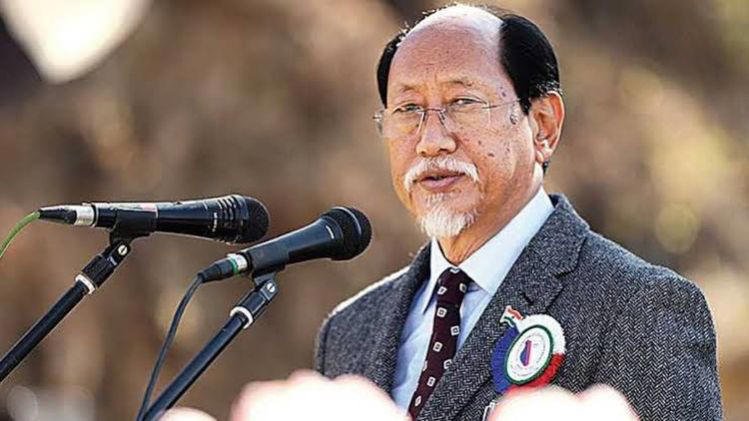
Nagaland Chief Minister Neiphiu Rio has called for stricter enforcement of the Inner Line Permit (ILP) system, emphasising that effective implementation is essential for protecting the indigenous identity, cultural heritage, and traditional rights of the people of Nagaland. Addressing concerns surrounding demographic changes and the preservation of local customs, the Chief Minister reiterated the government’s commitment to ensuring that the ILP mechanism functions efficiently and transparently.
He stressed that the Inner Line Permit remains one of the most important legal safeguards available for protecting the interests of indigenous communities in the state. According to the Chief Minister, effective enforcement of the permit system is necessary to maintain the unique social, cultural, and demographic character of Nagaland.
The remarks reaffirm the government’s continued focus on balancing development with the preservation of the state’s distinct identity.
ILP Plays a Crucial Role in Protecting Indigenous Communities
Chief Minister Rio highlighted the historical significance of the Inner Line Permit, describing it as a vital administrative mechanism that helps regulate the entry of non-residents into Nagaland while safeguarding the rights and interests of indigenous communities.
He observed that Nagaland possesses a unique cultural heritage shaped by diverse tribal traditions, languages, customary practices, and social institutions. Protecting these characteristics, he said, remains an important responsibility of both the government and society.
The Chief Minister emphasised that the ILP system is not intended to discourage legitimate travel or economic activity but to ensure that development takes place while respecting the constitutional and cultural safeguards available to the people of the state.
Call for Stronger Monitoring and Enforcement
The Chief Minister urged authorities to strengthen monitoring mechanisms and ensure strict compliance with the provisions governing the Inner Line Permit. He called upon all concerned departments to improve coordination, enhance verification procedures, and strengthen implementation at entry points and administrative levels.
According to Rio, consistent enforcement is essential to prevent misuse of the system while ensuring that the objectives of the ILP framework are fully realised.
He also encouraged officials to adopt modern administrative practices and technology wherever appropriate to improve efficiency, transparency, and accountability in permit management.
Strengthening enforcement, he said, would help build greater public confidence in the system.
Balancing Development with Cultural Preservation
Chief Minister Rio noted that Nagaland continues to pursue economic growth and infrastructure development while remaining committed to preserving its indigenous heritage. He stressed that development and cultural protection should complement rather than contradict one another.
The state government, he said, remains focused on creating employment opportunities, attracting investment, improving connectivity, and expanding public services without compromising the identity and traditions of local communities.
He observed that sustainable development requires careful planning that respects local customs, traditional institutions, and community participation.
According to the Chief Minister, preserving indigenous identity contributes to social stability and strengthens the state’s long-term development.
Importance of Community Participation
The Chief Minister highlighted the important role of community organisations, tribal bodies, civil society groups, and local leaders in supporting the effective implementation of the Inner Line Permit system.
He encouraged citizens to remain vigilant while cooperating with government authorities in ensuring compliance with ILP regulations.
Rio observed that public awareness and community participation are essential for the successful implementation of policies designed to protect indigenous rights.
He also appealed to citizens to uphold the spirit of mutual respect and lawful conduct while supporting measures aimed at preserving Nagaland’s unique cultural heritage.
Protecting Traditional Customs and Heritage
Nagaland is home to numerous indigenous tribes, each possessing its own language, customs, festivals, traditional governance systems, and cultural practices. Chief Minister Rio reiterated that these traditions represent invaluable cultural assets that must be protected for future generations.
He stressed that preserving indigenous identity extends beyond legal safeguards and requires sustained efforts to promote traditional knowledge, local languages, cultural institutions, and customary practices.
The government, he said, remains committed to supporting initiatives that celebrate Nagaland’s rich cultural diversity while encouraging younger generations to remain connected to their heritage.
Protecting traditional identity, according to the Chief Minister, strengthens both social cohesion and cultural continuity.
Government Committed to Administrative Reforms
Chief Minister Rio stated that the state government continues to review administrative processes to improve the efficiency of ILP implementation. Strengthening institutional capacity, improving coordination among departments, and adopting digital systems where appropriate remain part of ongoing governance reforms.
Officials have been encouraged to ensure timely verification of permits while maintaining accurate records and improving public service delivery.
The Chief Minister emphasised that modern administrative tools can enhance compliance without compromising the rights and convenience of genuine visitors entering the state.
Such reforms, he said, would contribute to more effective governance and stronger public confidence.
Ensuring Peaceful and Inclusive Growth
While advocating stronger ILP enforcement, the Chief Minister also reiterated Nagaland’s commitment to peaceful coexistence, lawful governance, and inclusive development.
He noted that the state welcomes visitors, investors, professionals, and tourists who comply with legal requirements and respect local traditions and customs.
According to Rio, protecting indigenous identity does not conflict with economic progress or national integration. Instead, safeguarding cultural diversity strengthens the broader fabric of India’s pluralistic society.
He called upon all stakeholders to work together in promoting harmony, mutual respect, and responsible development.
ILP Remains Central to Nagaland’s Governance Framework
The Inner Line Permit continues to play a central role in Nagaland’s governance framework by regulating the entry of non-residents while protecting indigenous rights recognised under existing legal provisions.
Chief Minister Rio emphasised that effective implementation requires continuous monitoring, public awareness, institutional coordination, and administrative efficiency.
He noted that the government remains committed to ensuring that the ILP system functions transparently while addressing emerging challenges associated with changing demographic and economic conditions.
The administration will continue taking necessary measures to strengthen enforcement in accordance with applicable laws and constitutional safeguards.
Chief Minister Reaffirms Commitment to Indigenous Rights
Chief Minister Neiphiu Rio’s call for stronger enforcement of the Inner Line Permit system reflects the Nagaland government’s continued commitment to preserving the state’s indigenous identity, cultural heritage, and traditional institutions. By emphasising effective implementation, improved monitoring, and community participation, the government seeks to ensure that development progresses alongside the protection of local customs and constitutional safeguards.
As Nagaland advances toward greater economic growth and infrastructure development, the administration remains focused on maintaining a careful balance between modernization and cultural preservation. The Chief Minister’s remarks reinforce the view that safeguarding indigenous identity is fundamental to the state’s long-term social harmony, inclusive governance, and sustainable development, ensuring that future generations continue to inherit and celebrate Nagaland’s rich cultural legacy.