


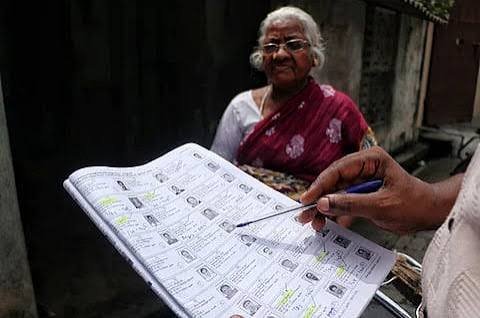
Sikkim SIR final voter roll has been published after the Election Commission of India’s Special Intensive Revision of electoral rolls across the Himalayan state. The final list contains 4,18,467 electors, including 2,12,534 males, 2,05,931 females and two third-gender electors. The final roll was published on September 6, 2026, following claims, objections, hearings and verification.
The revision began with a statewide enumeration exercise in which Booth Level Officers distributed and collected Enumeration Forms. Moreover, election officials conducted verification and provided opportunities for eligible citizens and political stakeholders to raise claims or objections before the final publication.
Loktak Lake Fishermen Schemes: Manipur Expands Support for Sustainable Floating Livelihoods
Sikkim SIR Final Voter Roll Records Major Electoral Changes
The final electoral roll shows a substantial reduction from the 4,71,018 electors recorded before the SIR exercise began. Following the revision process, 4,18,467 electors remain on the final list. The Election Department reported a net decrease of 14,827 electors compared with the draft roll.
During the revision, authorities issued 1,24,519 notices to electors placed in the unmapped and Logical Discrepancy categories. After notices and hearings, officials found 16,485 electors ineligible and removed them from the roll. Additionally, 324 electors were deleted through Form 7 because of death or shifting.
The final process therefore involved more than simply removing names from an existing database. Officials reviewed individual cases, considered documents and undertakings, and followed procedures prescribed by the Election Commission.
Furthermore, the Election Department reported that 1,982 electors were added after the claims and objections process. This included eligible applicants who sought inclusion through Form 6.
The final figures reflect the outcome of these additions, deletions and corrections. Consequently, the published roll represents the electoral database after the prescribed verification process rather than the initial draft list.
SIR Process Involved Claims, Objections and Hearings
The Election Commission’s SIR process in Sikkim began on May 30, 2026, with house-to-house visits by Booth Level Officers. The enumeration phase continued until June 28, while the draft electoral roll was published on July 5.
The claims and objections period then ran from July 5 to August 4. During this period, citizens could seek inclusion, request corrections or shifting, and raise objections through the prescribed electoral forms.
Sikkim received 2,052 Form 6 applications for new inclusion. It also received 16,867 Form 7 objections and 1,549 Form 8 applications seeking corrections or changes. Officials subsequently examined these applications and disposed of cases according to the applicable procedures.
Political parties also participated in the process. In Soreng district, for example, representatives of the Sikkim Krantikari Morcha, Bharatiya Janata Party and Sikkim Democratic Front attended an official meeting where authorities explained the verification process and the appeal mechanism.
Therefore, the revision involved several stages of scrutiny. The process included enumeration, publication of the draft list, claims and objections, notices, hearings, verification and final publication.
Election Authorities Complete Verification Under ECI Guidelines
The Sikkim SIR final voter roll was prepared under instructions issued by the Election Commission of India. The Commission launched the third phase of its SIR programme in Sikkim, Odisha, Mizoram and Manipur, with July 1, 2026, serving as the qualifying date.
The ECI describes SIR as a participatory exercise involving electors, political parties and election officials. Its stated objective is to ensure that eligible citizens remain on electoral rolls while ineligible entries do not remain included.
Sikkim followed the schedule set for the exercise. House-to-house enumeration took place between May 30 and June 28, followed by draft publication on July 5 and the claims and objections period through August 4. The final publication was scheduled for September 6 and was completed on that date.
Officials also used ECINET facilities during the verification and disposal of unmapped and logically discrepant cases. The state government said Electoral Registration Officers and Assistant Electoral Registration Officers issued notices, conducted hearings and collected required documents before taking decisions.
Additionally, the final electoral roll became available for public inspection at polling stations and the offices of EROs and AEROs. Recognised political parties were also entitled to receive copies under the prescribed procedure.
Final Roll Available for Public Verification
The publication of the final list marks the completion of the principal SIR exercise in Sikkim. However, electoral administration continues to provide mechanisms for citizens to check their information and raise issues through the prescribed process.
The Chief Electoral Officer’s office made the final roll available from September 6. It also provided access through its online electoral-roll system, while physical copies remained available for public inspection at polling stations and election offices.
The final roll also includes separate records for service voters. The Chief Electoral Officer’s electoral-roll portal shows that Assembly-constituency-wise final rolls for service voters were published on September 6 with July 1, 2026, as the qualifying date.
Meanwhile, the electoral administration has continued to emphasise public participation in maintaining accurate voter information. Earlier during the process, the Gangtok district administration urged electors to verify their details and ensure that their electoral information remained accurate and updated.
Such verification remains important because electoral rolls form the basis for determining who can participate in elections. Accurate entries also help election authorities maintain reliable polling-station records.
Sikkim SIR Final Voter Roll Marks End of Revision Exercise
The completion of the Sikkim SIR final voter roll marks the end of a detailed revision exercise that involved officials, Booth Level Officers, political parties and electors. The process started with more than 4.71 lakh electors and concluded with 4,18,467 names on the final roll.
The revision also highlighted the scale of verification required in a statewide electoral exercise. More than 1.24 lakh notices were issued under the unmapped and Logical Discrepancy categories, while thousands of applications and objections were considered during the claims period.
Moreover, the process did not result only in deletions. Authorities added 1,982 eligible electors after considering claims, while corrections and shifting requests were also examined. Therefore, the final roll reflects both additions and removals arising from the verification process.
The Election Department has also maintained public access to the final records. This allows electors and recognised political parties to examine the published information within the framework established by election authorities.
With the final roll now published, the focus shifts from the revision exercise to maintaining accurate electoral records and ensuring that future updates follow the established procedures.
Conclusion
The Sikkim SIR final voter roll has been published after a comprehensive electoral revision conducted under the Election Commission of India’s guidelines. The final list contains 4,18,467 electors, representing a significant change from the electorate recorded before the revision began.
The process involved house-to-house enumeration, notices, hearings, claims, objections, corrections and verification. Additionally, political parties participated in discussions and scrutiny at the district level.
The final publication therefore represents the culmination of several months of electoral-roll verification. Continued public checking and timely correction of electoral information will remain important for maintaining an accurate and inclusive voter database in Sikkim.
FAQs
What is the Sikkim SIR final voter roll?
The Sikkim SIR final voter roll is the electoral list published after completion of the Special Intensive Revision conducted in 2026 with July 1, 2026, as the qualifying date.
How many electors are included in the final Sikkim roll?
The final roll contains 4,18,467 electors: 2,12,534 males, 2,05,931 females and two third-gender electors.
When was the final SIR roll published in Sikkim?
The final electoral roll was published on September 6, 2026. The Election Department formally briefed the media on the completed roll on September 7.
Why did the number of electors change during SIR?
Authorities removed entries after verification of unmapped and logically discrepant cases, as well as Form 7 requests involving death or shifting. At the same time, eligible electors were added through the claims process.
Can people inspect the Sikkim SIR final voter roll?
Yes. The final roll is available through the Chief Electoral Officer’s electoral-roll system and for public inspection at polling stations and the offices of Electoral Registration Officers and Assistant Electoral Registration Officers.