

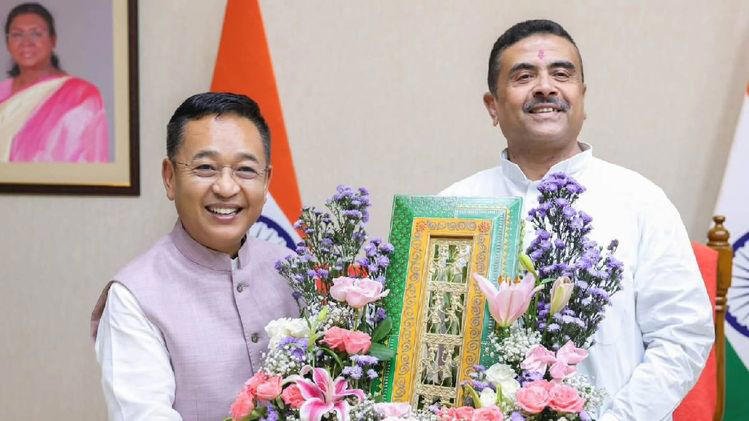
Sikkim and West Bengal have agreed to strengthen inter-state cooperation through a series of initiatives focused on the joint dredging of the Teesta River, improved transport connectivity, and enhanced healthcare collaboration. The decisions were taken during a high-level meeting between the governments of the two neighbouring states, reflecting a shared commitment to addressing common challenges while promoting regional development and public welfare.
The discussions centred on improving flood management, strengthening infrastructure, enhancing mobility between the two states, and expanding access to quality healthcare services. Officials from both governments expressed confidence that greater coordination would not only improve administrative efficiency but also create long-term economic and social benefits for people living in the region.
Joint Teesta Dredging to Improve River Management
A key outcome of the meeting was the agreement to undertake joint dredging of the Teesta River. The initiative is aimed at improving the river’s flow, reducing excessive silt accumulation, and strengthening flood management measures in vulnerable areas.
The Teesta River plays a vital role in the lives and livelihoods of people across both Sikkim and West Bengal. However, recurring floods, sediment deposition, and changing river channels have posed significant challenges to infrastructure, agriculture, and nearby settlements over the years.
Through coordinated dredging efforts, both states hope to improve water flow, reduce the risk of flooding during the monsoon season, and minimise damage to roads, bridges, farmland, and residential areas. Officials agreed that technical coordination and scientific planning would be essential to ensure that dredging activities are environmentally sustainable while delivering long-term benefits.
Strengthening Transport Connectivity
Improving transport infrastructure emerged as another major priority during the discussions. Sikkim and West Bengal agreed to work together on enhancing road connectivity, facilitating smoother movement of passengers and goods, and improving access between key economic centres.
Better transport links are expected to support tourism, trade, and logistics while reducing travel time for residents and businesses. As West Bengal serves as the primary gateway to Sikkim, efficient road networks are crucial for maintaining uninterrupted movement of essential commodities, construction materials, agricultural produce, and consumer goods.
Officials also explored measures to improve coordination in road maintenance, traffic management, and infrastructure planning to ensure safer and more reliable transportation across state borders.
Healthcare Cooperation to Benefit Citizens
Healthcare collaboration formed another important component of the inter-state discussions. Both governments agreed to strengthen cooperation in medical services, emergency healthcare, and patient referrals, recognising the close geographical and economic ties between the two states.
Many residents of Sikkim rely on advanced medical facilities available in West Bengal for specialised treatment. Improving institutional coordination, streamlining referral mechanisms, and enhancing access to healthcare services are expected to benefit patients requiring advanced diagnostics and specialised care.
The two states also discussed opportunities for cooperation in public health programmes, medical training, disease surveillance, and emergency response systems to improve healthcare delivery across the region.
Promoting Regional Development Through Collaboration
The meeting reflected a broader vision of regional cooperation that extends beyond individual projects. Both governments acknowledged that coordinated planning can help address shared developmental challenges more effectively than isolated efforts.
Areas such as disaster management, infrastructure development, environmental conservation, tourism promotion, and economic growth require continuous collaboration between neighbouring states. By strengthening institutional partnerships, Sikkim and West Bengal aim to improve governance while ensuring that development initiatives generate benefits for communities on both sides of the border.
Officials noted that regular consultations would enable both governments to identify emerging issues and respond through coordinated policy measures.
Focus on Flood Preparedness and Disaster Management
Given the region’s vulnerability to heavy rainfall, landslides, and flooding during the monsoon season, disaster preparedness received considerable attention during the discussions. Both states recognised the importance of sharing information, coordinating emergency responses, and jointly addressing risks associated with river systems such as the Teesta.
Improved flood forecasting, early warning systems, and coordinated disaster response mechanisms can significantly reduce the impact of natural disasters on local communities. Joint planning is also expected to strengthen infrastructure resilience and improve emergency preparedness in vulnerable districts.
Officials emphasised that proactive cooperation is essential for safeguarding lives, protecting property, and ensuring rapid recovery following natural disasters.
Economic and Tourism Opportunities
Enhanced transport connectivity and stronger institutional cooperation are expected to create new opportunities for economic development and tourism. Sikkim’s growing tourism industry depends heavily on efficient transportation links through West Bengal, making infrastructure improvements beneficial for visitors as well as local businesses.
Better connectivity can facilitate greater tourist arrivals, improve access to popular destinations, and support industries such as hospitality, transport, handicrafts, and local commerce. Improved logistics will also strengthen supply chains and encourage investment across multiple sectors.
Business communities in both states are likely to benefit from smoother transportation of goods and reduced logistical challenges, contributing to broader regional economic growth.
Building Stronger Inter-State Partnerships
The agreement highlights the importance of cooperative federalism in addressing regional priorities that extend beyond administrative boundaries. Whether it involves managing shared rivers, improving healthcare access, or strengthening transport infrastructure, collaboration between neighbouring states allows resources and expertise to be utilised more effectively.
Officials from both governments reaffirmed their commitment to maintaining regular communication, monitoring the progress of agreed initiatives, and resolving implementation challenges through coordinated action.
The partnership is expected to strengthen not only government-to-government relations but also people-to-people connections by improving public services and infrastructure that directly affect everyday life.
A Shared Vision for Sustainable Growth
The decisions reached by Sikkim and West Bengal mark an important step towards building a more integrated and resilient regional development framework. Joint Teesta dredging, enhanced transport connectivity, and expanded healthcare cooperation reflect a comprehensive approach that balances infrastructure development with environmental management and public welfare.
As both states move forward with implementing these initiatives, sustained coordination and long-term planning will be essential to achieving meaningful results. By working together on shared priorities, Sikkim and West Bengal are laying the foundation for stronger economic growth, improved public services, and greater resilience against environmental challenges, ultimately benefiting millions of people across the region.