

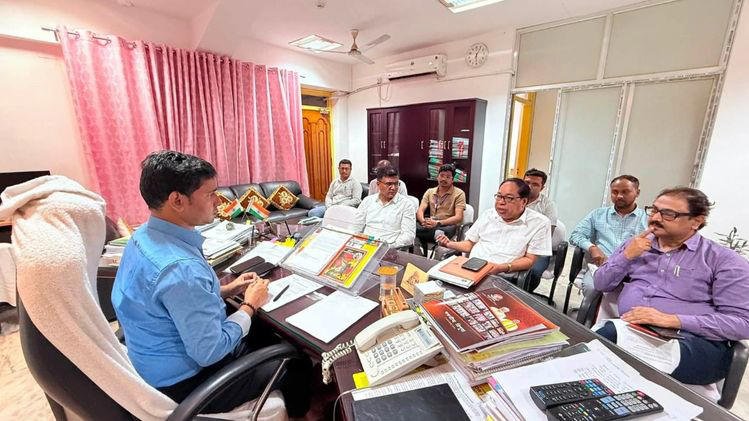
Tripura’s Scheduled Caste Welfare Minister Sudhangshu Das chaired a high-level review meeting to assess the progress of welfare schemes, development projects and future action plans for the Scheduled Caste community in the state. The meeting focused on improving the implementation of existing programmes and ensuring that eligible beneficiaries receive government assistance without unnecessary delays.
Senior officials of the Scheduled Caste Welfare Department attended the meeting, where the minister reviewed the progress of various initiatives and discussed the steps required for their timely and effective implementation. Das stressed the need for better coordination among officials and a more result-oriented approach towards the welfare, development and empowerment of Scheduled Caste communities across Tripura.
The review came as the state government continues to focus on strengthening the delivery of welfare services and improving the effectiveness of development programmes. The discussions also examined future priorities and the need for a clear action plan to address areas that require greater attention.
Sudhangshu Das Reviews Ongoing Welfare Schemes
During the meeting at the Secretariat, Sudhangshu Das took stock of the functioning of the Scheduled Caste Welfare Department and reviewed the progress of ongoing schemes and projects.
Officials provided updates on different welfare and development initiatives being implemented for the Scheduled Caste community. The discussions focused on the current status of these programmes and the challenges that may affect their implementation.
The minister emphasised that government schemes should reach the people for whom they are intended. He called for stronger coordination among departmental officials to ensure that the implementation process remains efficient.
Das also stressed the importance of completing projects and welfare activities within the required timeframe. Delays can prevent beneficiaries from receiving assistance when they need it most.
The review therefore focused not only on the progress achieved so far but also on the measures required to improve future performance.
Focus on Better Delivery of Welfare Benefits
A major focus of the meeting was the effective delivery of welfare benefits.
Government schemes can have a greater impact when eligible beneficiaries receive assistance quickly and without procedural difficulties. Das urged officials to adopt a more proactive approach and strengthen efforts to reach the intended communities.
He called for effective and measurable action that can contribute directly to the socio-economic development of Scheduled Caste families.
The minister also asked officials to identify areas where implementation needs improvement. Strong monitoring can help departments detect delays and address problems before they affect beneficiaries.
The discussions reflected the government’s broader effort to improve the delivery of public welfare services across Tripura.
Das has repeatedly stressed the importance of timely implementation, saying that welfare programmes must translate into visible benefits for the people they are designed to support.
Coordinated Efforts Needed for SC Welfare
The minister highlighted the importance of coordination among different levels of the department.
Welfare programmes often require the involvement of officials at the state, district and local levels. Effective communication can help ensure that information moves quickly and that eligible beneficiaries do not face unnecessary difficulties.
Das said coordinated efforts would be essential for improving the implementation of Tripura SC welfare schemes.
Officials will need to work together to monitor ongoing projects, identify challenges and take timely corrective action.
The meeting also focused on strengthening the department’s planning process. A well-prepared action plan can help authorities set clear priorities and use available resources more effectively.
Better coordination can also improve awareness about government programmes, particularly among communities that may not have complete information about the benefits available to them.
Future Action Plans Take Centre Stage
Apart from reviewing existing schemes, the meeting also discussed the department’s future action plans.
Das and senior officials examined the priorities for upcoming welfare and development initiatives. The focus remained on strengthening existing programmes while also identifying new areas where support may be required.
The department aims to develop a more comprehensive roadmap for the coming period. Such planning can help officials establish clear targets and monitor progress more effectively.
The future strategy is expected to focus on improving the reach of welfare programmes and ensuring that development initiatives produce meaningful results.
Officials were encouraged to adopt a proactive approach rather than waiting for problems to emerge.
The minister also emphasised the importance of preparing for future challenges and improving the department’s ability to deliver services efficiently.
Education and Economic Development Remain Important
Education and economic empowerment continue to be important areas for the welfare of Scheduled Caste communities.
Scholarships and other forms of educational assistance can help students continue their studies and pursue better career opportunities.
The Tripura government has previously reviewed several programmes linked to educational support, self-employment and community development. These initiatives form an important part of the state’s wider welfare strategy.
Economic opportunities can also help families improve their financial stability.
Skill development, support for self-employment and assistance for small businesses can create new livelihood opportunities.
The future action plans discussed during the review are expected to build on existing welfare efforts and improve their overall reach.
A stronger focus on measurable outcomes can help authorities understand whether government support is creating meaningful changes in the lives of beneficiaries.
Strengthening Monitoring and Implementation
Effective monitoring will remain essential for the success of Tripura SC welfare schemes.
The review meeting highlighted the importance of regularly assessing the progress of projects and identifying problems at an early stage.
Officials can use regular reviews to examine whether programmes are reaching the intended beneficiaries and whether implementation is proceeding according to schedule.
Monitoring can also improve accountability within the system.
If authorities identify delays or gaps, they can take corrective action and improve the delivery process.
Das urged officials to focus on results and ensure that welfare initiatives contribute to the overall development and empowerment of the Scheduled Caste community.
The emphasis on monitoring reflects the understanding that announcing a scheme alone is not enough. Its success depends on how effectively it reaches the people on the ground.
Building on Previous Welfare Initiatives
The latest review follows earlier efforts by the Tripura government to strengthen welfare delivery for Scheduled Caste communities.
In July, Das said the government was preparing a roadmap to improve the speed and effectiveness of Central and state welfare schemes. Earlier reviews examined programmes related to education, scholarships, self-employment, village development and hostel facilities.
The government’s earlier review highlighted the implementation of schemes such as the Pradhan Mantri Anusuchit Jaati Abhyuday Yojana, Mukhyamantri Tapashili Jati Bikash Yojana and several scholarship programmes.
The department has also focused on improving educational opportunities and supporting livelihood activities.
The latest meeting provided an opportunity to review ongoing work and determine how these efforts can be strengthened in the coming months.
Empowerment Through Effective Welfare Programmes
The wider objective of the department’s work is to support the social and economic empowerment of Scheduled Caste communities.
Welfare programmes can assist families in accessing education, employment opportunities and other forms of support.
However, the effectiveness of these programmes depends heavily on proper implementation.
The minister’s directions focused on ensuring that departmental efforts produce visible results.
Government officials have an important role in connecting eligible citizens with the schemes and benefits available to them.
Greater awareness can also help increase participation in welfare programmes.
The department may therefore need to continue working at the district and local levels to ensure that information reaches communities across the state.
Looking Ahead
The review chaired by Tripura SC Welfare Minister Sudhangshu Das highlighted the government’s focus on improving the implementation of welfare schemes and preparing a stronger roadmap for the future.
The meeting examined the progress of ongoing projects and discussed the measures required to ensure their timely and effective completion.
Das called for better coordination, stronger monitoring and a result-oriented approach so that the benefits of government programmes reach eligible Scheduled Caste beneficiaries efficiently.
The future action plans are expected to focus on strengthening welfare delivery and identifying areas that need greater attention.
As Tripura continues to implement its Tripura SC welfare schemes, effective planning and regular monitoring will remain important.
The government’s ability to translate welfare programmes into tangible benefits for communities will determine the long-term impact of these initiatives on the development and empowerment of Scheduled Caste families across the state.