

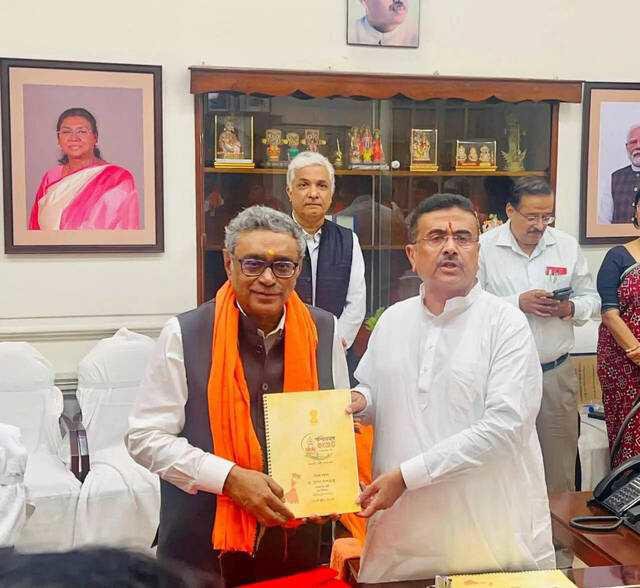
The West Bengal government has presented its Budget for the financial year 2026-27 with a strong focus on welfare initiatives and infrastructure development. The budget seeks to balance social welfare commitments with investments in critical sectors that can drive long-term economic growth and improve the quality of life for residents across the state.
Officials described the budget as a roadmap for inclusive development. It aims to strengthen social security programs while expanding infrastructure projects that support connectivity, economic activity, and public services. The government believes that a combination of welfare support and infrastructure investment can create a foundation for sustainable growth.
The budget also reflects the state’s efforts to address the needs of different sections of society, including women, farmers, youth, workers, and economically vulnerable groups. Alongside welfare measures, policymakers have emphasized the importance of creating assets that contribute to long-term development.
The proposals have generated considerable interest among stakeholders, who view the budget as an important indicator of the government’s development priorities for the coming year.
Welfare Remains a Key Priority
A significant portion of the budget focuses on welfare schemes designed to improve social security and support vulnerable sections of society. The government has reiterated its commitment to strengthening programs that provide financial assistance and essential services to beneficiaries.
Officials emphasized that welfare initiatives play a crucial role in reducing economic hardship and promoting social inclusion. These programs aim to support families, improve living standards, and ensure that development benefits reach all sections of society.
The budget includes allocations for various social welfare measures covering women, senior citizens, marginalized communities, and low-income households. Such initiatives are intended to strengthen social protection mechanisms while addressing inequalities.
Policymakers noted that welfare programs not only provide immediate support but also contribute to broader development goals by improving access to education, healthcare, and economic opportunities.
The government’s continued emphasis on welfare reflects its commitment to ensuring that growth remains inclusive and equitable.
Infrastructure Development Receives Major Attention
Infrastructure development has emerged as another major focus area in the 2026-27 Budget. The government has proposed investments across sectors such as transportation, urban development, public utilities, and connectivity.
Officials believe that modern infrastructure is essential for supporting economic growth and improving public services. Investments in roads, bridges, transportation networks, and public facilities can enhance productivity while creating employment opportunities.
The budget seeks to strengthen physical infrastructure across urban and rural areas. Improved connectivity can facilitate trade, support tourism, and improve access to markets, healthcare facilities, and educational institutions.
Authorities have highlighted the importance of creating infrastructure that supports future economic expansion. Strategic investments in transportation and public services can help attract businesses and encourage private sector participation.
The focus on infrastructure also aligns with broader efforts to improve the state’s competitiveness and support long-term development.
Boosting Transportation and Connectivity
Transportation infrastructure remains a critical component of the state’s development strategy. The budget outlines measures aimed at improving road networks, public transport systems, and regional connectivity.
Officials noted that efficient transportation systems play a vital role in economic activity by facilitating the movement of people and goods. Better connectivity can reduce travel time, improve logistics, and strengthen regional integration.
The government plans to continue investments in road construction, maintenance, and modernization. These efforts seek to improve accessibility in both urban and rural areas while supporting economic development.
Enhanced transportation infrastructure can also contribute to tourism growth by making destinations more accessible to visitors. Improved connectivity often encourages investment and supports local businesses.
Authorities believe that transportation projects will generate long-term benefits by strengthening economic linkages and improving quality of life for residents.
Focus on Urban Development
Rapid urbanization has increased the demand for better urban infrastructure and public services. The budget addresses these challenges through allocations for urban development projects and municipal improvements.
Officials emphasized the importance of creating well-planned cities that provide residents with access to essential services, clean environments, and efficient infrastructure. Urban development initiatives may include improvements in water supply, sanitation, housing, and waste management.
The government aims to strengthen urban governance while enhancing the quality of public services. Investments in municipal infrastructure can improve living conditions and support sustainable urban growth.
Modern urban infrastructure also plays an important role in attracting businesses and creating employment opportunities. Cities often serve as engines of economic growth, making their development a key priority.
The budget’s focus on urban development reflects the need to address evolving challenges associated with population growth and urban expansion.
Supporting Rural Development and Agriculture
While urban infrastructure receives attention, the budget also emphasizes rural development and agricultural growth. Rural communities remain an important part of West Bengal’s economy, and policymakers have highlighted the need for balanced development.
The budget includes provisions aimed at improving rural infrastructure, supporting farmers, and strengthening agricultural productivity. Investments in irrigation, rural roads, and market access can help improve incomes and enhance economic opportunities.
Officials stressed that agriculture continues to play a significant role in the state’s economy. Supporting farmers and rural communities remains essential for achieving inclusive growth.
The government seeks to improve rural livelihoods through a combination of infrastructure development, welfare measures, and agricultural support programs. Such efforts can help reduce regional disparities and promote equitable development.
The focus on rural areas reflects a broader commitment to ensuring that development reaches all parts of the state.
Employment Generation and Economic Growth
The budget places considerable emphasis on creating conditions that support employment generation and economic expansion. Infrastructure projects, welfare initiatives, and development programs are expected to contribute to job creation across multiple sectors.
Construction activities associated with infrastructure development can provide employment opportunities while stimulating economic activity. Investments in public projects often create demand for labor, materials, and related services.
Officials also highlighted the importance of attracting investment and encouraging entrepreneurship. Economic growth requires a supportive environment that enables businesses to expand and create jobs.
The government aims to strengthen sectors that have the potential to generate employment while improving productivity and competitiveness. Infrastructure development, in particular, can serve as a catalyst for private investment and industrial growth.
Policymakers believe that sustained economic expansion is essential for improving living standards and increasing opportunities for residents.
Building a Foundation for Future Development
The 2026-27 Budget reflects a strategy that combines immediate welfare support with long-term infrastructure investment. By focusing on both social protection and economic development, the government seeks to create a balanced approach to growth.
Officials emphasized that welfare programs and infrastructure projects are complementary rather than competing priorities. Social support helps address immediate needs, while infrastructure investments create opportunities for future prosperity.
The budget’s emphasis on connectivity, public services, rural development, and urban modernization aims to strengthen the state’s development framework. These initiatives can contribute to improved productivity, better service delivery, and enhanced quality of life.
The government views the budget as a tool for promoting inclusive growth while preparing West Bengal for future challenges and opportunities.
Vision for Inclusive and Sustainable Growth
West Bengal’s 2026-27 Budget underscores the government’s commitment to welfare and infrastructure development as key pillars of its growth strategy. Through targeted investments and social support measures, the state aims to strengthen economic resilience and improve living standards.
The focus on welfare schemes seeks to protect vulnerable groups and ensure broader social inclusion. At the same time, infrastructure investments are expected to support long-term economic growth and create opportunities across sectors.
As implementation progresses, the effectiveness of these initiatives will depend on efficient execution, coordination among departments, and active stakeholder participation. Successful implementation can help maximize the impact of budgetary allocations and contribute to sustainable development.
The budget ultimately presents a vision of growth that combines social welfare with economic progress. By investing in both people and infrastructure, West Bengal aims to build a stronger, more inclusive, and prosperous future for its residents.