

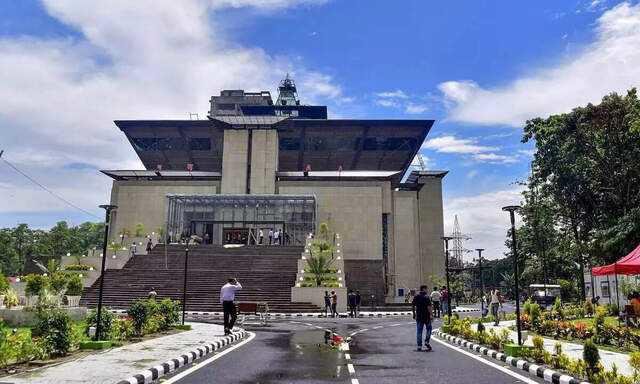
The Assam government and the Legislative Assembly Secretariat are set to organize a training camp for newly elected Members of the Legislative Assembly (MLAs) in July. The initiative aims to equip first-time legislators with a better understanding of parliamentary procedures, legislative responsibilities, governance mechanisms, and public administration.
The proposed training programme reflects a growing emphasis on strengthening legislative institutions and ensuring that elected representatives are well-prepared to perform their duties effectively. Officials believe that such orientation programmes play a vital role in enhancing the quality of governance and legislative functioning.
The camp is expected to bring together newly elected legislators from different constituencies and provide them with valuable insights into the workings of the Assembly. Experts, senior lawmakers, parliamentary officials, and subject specialists are likely to participate as resource persons during the programme.
Authorities have emphasized that effective governance requires informed and capable representatives who understand both legislative procedures and the needs of their constituents.
Helping First-Time Legislators Understand Their Roles
For many newly elected representatives, entering a legislative assembly marks the beginning of a new and challenging responsibility. While they may possess political experience and public support, legislative work often requires specialized knowledge of rules, procedures, and governance structures.
The training camp aims to bridge this gap by familiarizing participants with their responsibilities as lawmakers. Sessions are expected to cover legislative processes, question hour procedures, committee systems, budget discussions, and the drafting of policy proposals.
Officials noted that understanding Assembly procedures enables legislators to participate more effectively in debates and discussions. It also helps them represent the interests of their constituencies in a more informed manner.
The programme seeks to provide practical knowledge that will help MLAs navigate the complexities of legislative work and public administration.
Participants will also gain a better understanding of constitutional provisions and the legal framework that governs legislative functioning.
Strengthening Legislative Effectiveness
Legislative assemblies serve as important democratic institutions responsible for lawmaking, oversight, and public accountability. The effectiveness of these institutions often depends on the preparedness and competence of elected representatives.
The proposed training programme aims to strengthen legislative effectiveness by improving the knowledge and skills of new legislators. Officials believe that well-informed MLAs can contribute more meaningfully to policy discussions and decision-making processes.
Training sessions are expected to focus on parliamentary practices, legislative ethics, governance challenges, and public policy issues. Participants may also receive guidance on how to raise constituency concerns effectively within the Assembly.
Experts have frequently emphasized the importance of continuous learning for lawmakers. Governance challenges evolve over time, requiring representatives to stay informed about emerging issues and policy developments.
The training camp reflects a commitment to promoting professional development within democratic institutions.
Focus on Governance and Public Service
Beyond legislative procedures, the programme is likely to emphasize the broader responsibilities of public representatives. MLAs play a crucial role in connecting government institutions with citizens and addressing local development concerns.
The training camp will help participants understand how various government departments function and how public policies are implemented. Such knowledge can assist legislators in monitoring development programmes and ensuring effective service delivery.
Officials believe that strong governance requires cooperation between elected representatives and administrative agencies. By understanding governance structures, MLAs can contribute more effectively to developmental initiatives and public welfare programmes.
Sessions may also focus on best practices in constituency management, public communication, and citizen engagement. These skills are increasingly important in modern governance environments.
The programme aims to prepare legislators to address both local and state-level challenges with greater confidence and competence.
Understanding Financial and Budgetary Processes
One of the important areas likely to receive attention during the training camp is financial governance. Legislators play a critical role in reviewing budgets, approving expenditures, and ensuring accountability in public spending.
Many first-time legislators may have limited exposure to budgetary procedures and financial oversight mechanisms. The training programme will help them understand the structure of state budgets, financial allocations, and expenditure monitoring systems.
Officials believe that improved understanding of financial matters can strengthen legislative scrutiny and promote responsible governance. Effective oversight helps ensure that public resources are utilized efficiently and transparently.
Participants are expected to learn about the role of legislative committees, audit processes, and financial reporting mechanisms. These topics are essential for carrying out legislative responsibilities effectively.
A stronger understanding of financial governance can help legislators contribute meaningfully to policy discussions related to development and public expenditure.
Promoting Ethical and Responsible Leadership
The training camp is also expected to highlight the importance of ethical conduct and responsible leadership. Public representatives occupy positions of trust and are expected to uphold high standards of integrity and accountability.
Experts may discuss topics related to legislative ethics, transparency, conflict of interest, and public accountability. Such discussions can help legislators understand the expectations associated with public office.
Officials emphasized that ethical leadership plays a crucial role in maintaining public confidence in democratic institutions. Responsible conduct strengthens governance and promotes trust between citizens and elected representatives.
The programme seeks to encourage a culture of professionalism and accountability among lawmakers. These values remain essential for effective democratic functioning and long-term institutional credibility.
By promoting ethical leadership, the training camp aims to contribute to stronger governance outcomes.
Learning from Experienced Leaders and Experts
A key feature of the programme will likely involve interactions with experienced legislators, constitutional experts, and governance specialists. Such engagements provide valuable opportunities for new MLAs to learn from individuals with extensive knowledge and practical experience.
Senior lawmakers can offer insights into legislative functioning, constituency management, and policy development. Their experiences can help new representatives better understand the challenges and responsibilities associated with public office.
Experts from various fields may also provide guidance on governance trends, public administration, and emerging policy issues. These interactions can broaden participants’ perspectives and enhance their understanding of contemporary governance challenges.
Officials believe that knowledge-sharing initiatives contribute significantly to institutional capacity-building and leadership development.
The programme will provide a platform for meaningful dialogue and exchange of ideas among participants and experts.
Building Stronger Democratic Institutions
The training camp reflects Assam’s commitment to strengthening democratic institutions through capacity-building and knowledge enhancement. Effective legislatures depend not only on electoral representation but also on the ability of lawmakers to perform their duties efficiently.
By investing in the professional development of newly elected representatives, the state aims to improve legislative performance and governance outcomes. Better-informed legislators can contribute more effectively to policymaking, oversight, and public service.
The initiative also aligns with broader efforts across India to enhance the quality of legislative institutions and promote good governance. Similar orientation programmes have become increasingly common as governments recognize the importance of continuous learning for public representatives.
Officials noted that strong institutions require capable leaders who understand their responsibilities and possess the skills needed to address complex challenges.
Preparing Legislators for Effective Public Service
The upcoming training camp for newly elected Assam MLAs represents an important step towards strengthening governance and legislative effectiveness. By providing structured learning opportunities, the programme seeks to prepare legislators for the responsibilities that accompany public office.
The sessions will help participants understand parliamentary procedures, governance mechanisms, financial oversight, ethical leadership, and constituency management. These areas are critical for effective representation and policymaking.
As Assam continues to pursue development and governance reforms, capable and informed legislators will play a key role in shaping the state’s future. The training camp reflects a recognition that effective public service requires both commitment and knowledge.
Through this initiative, newly elected MLAs will gain valuable tools to perform their duties with greater confidence and competence. The programme is expected to contribute to stronger democratic institutions, better governance, and improved service delivery for the people of Assam.